
Vegan Japanese yogurt cheesecake melts on the tongue with a tangy, silky filling and a caramel-nut crust that satisfies cheesecake cravings without dairy. Each bite is creamy and bright, with a cooling texture and citrus lift that keeps the dessert feeling light rather than heavy.
Expect a no-bake, freezer-set dessert that firms in the cold rather than by baking. Plan for a short hands-on assembly and an extended chill so slices cut cleanly and keep their shape.
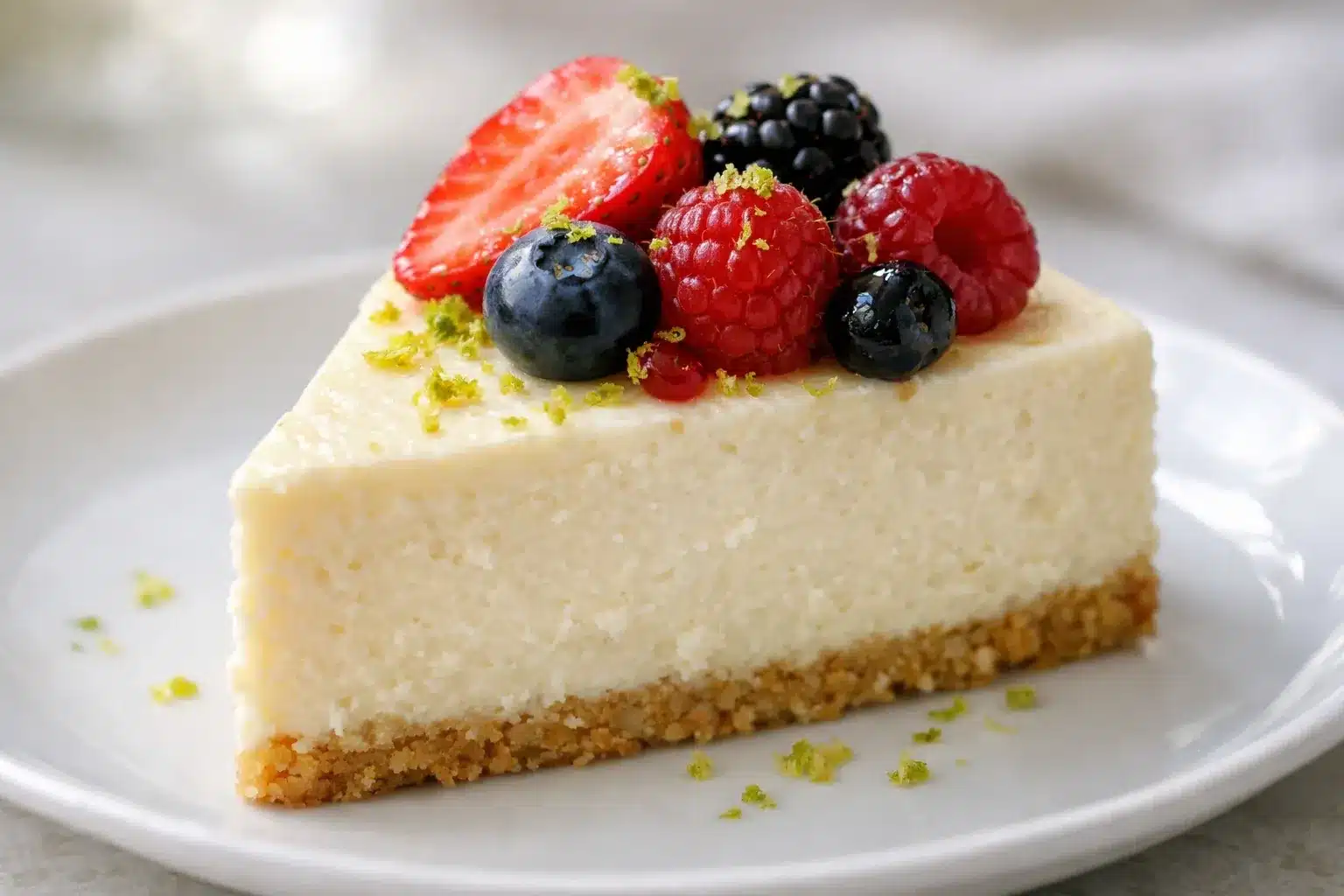
Table of Contents
How the vegan version works (and what changes)
The viral yogurt cheesecake concept relies on very thick yogurt plus a rigid cookie or compressed crust that soaks up moisture and creates a sliceable texture after chilling.
My vegan take keeps the same cold-setting idea while swapping dairy for coconut yogurt and a cashew-coconut filling for extra body; the crust absorbs moisture slowly, and the filling firms as fats cool in the freezer. For the core viral concept and why thick yogurt matters in the icebox method, see the original viral Japanese yogurt cheesecake guide.
Why choosing the right plant yogurt matters
Plant yogurts differ widely in fat, stabilizers, and texture; some pour like drinkable yogurt while others mimic Greek yogurt thickness. A high-fat, thick coconut yogurt will give a silkier mouthfeel and firmer set. If you’re shopping, look for brands that advertise “Greek-style” or “extra thick.” For a helpful roundup of thick and creamy vegan yogurts, check the best vegan yogurt list on Healthline, which highlights brands that hold up well in desserts.
Ingredients
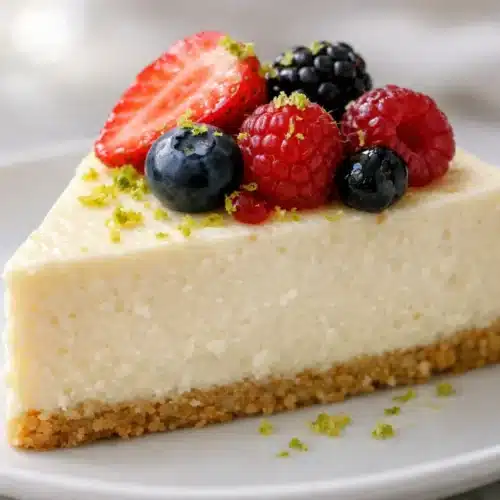
vegan Japanese yogurt cheesecake
Equipment
- cheesecake pan
- parchment paper
- food processor
- blender
- small glass
- plastic wrap or wax paper
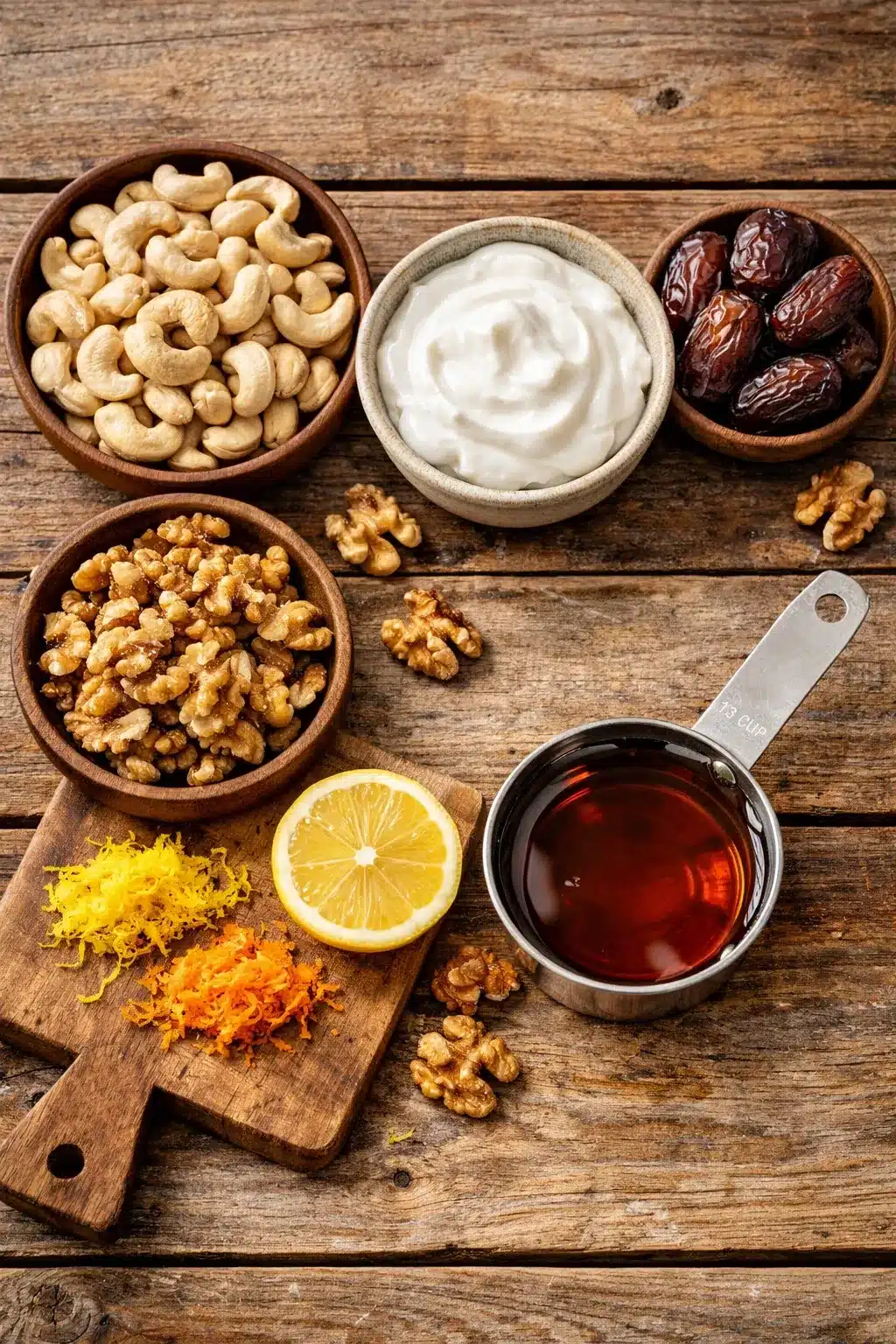
Ingredients
CRUST
- 1 cup medjool dates packed, pitted // pitted before measuring
- 1 ½ cups raw walnuts or sub raw almonds or rolled oats
- 1 pinch sea salt
FILLING
- 1 ½ cups raw cashews soaked overnight in cool water or in very hot water for 1 hour
- 1 tsp vanilla extract
- 1 Tbsp citrus zest orange or lemon
- ¼ cup lemon juice
- 1 Tbsp melted coconut oil omit if oil-free
- ½ cup maple syrup use less for a more tart cheesecake
- ¾ cup coconut yogurt or store-bought – we like COYO and Culina
- ¼ tsp sea salt
FOR SERVING
- Fresh berries optional
- Citrus zest/orange slices optional
- Coconut Whipped Cream optional
Instructions
- Line a cheesecake pan with parchment paper and set it aside; a springform pan is preferred but a round cake pan or loaf pan also works.
- For the crust, blend the dates in a food processor until they break down into small bits and come together into a ball and then remove and set aside.
- Add the walnuts and sea salt to the processor and process into a meal.
- Add the dates back in and blend until a loose dough forms that holds together when pinched, feeding in more dates if it seems too dry.
- Press the crust mixture into the prepared pan using your fingers to spread it evenly and compact it firmly, pressing down with a small glass wrapped in parchment paper to help it climb up the sides.
- Place the crust in the freezer to firm up.
- Add all filling ingredients to a blender and blend until very smooth, which can take up to 2 minutes.
- If the filling won’t fully blend or looks chunky, add a little more lemon juice, coconut yogurt, or maple syrup to help it come together and scrape down the sides as needed.
- Taste and adjust the filling by adding more maple syrup for sweetness, more coconut yogurt for tang, or more lemon or orange zest for citrus flavor.
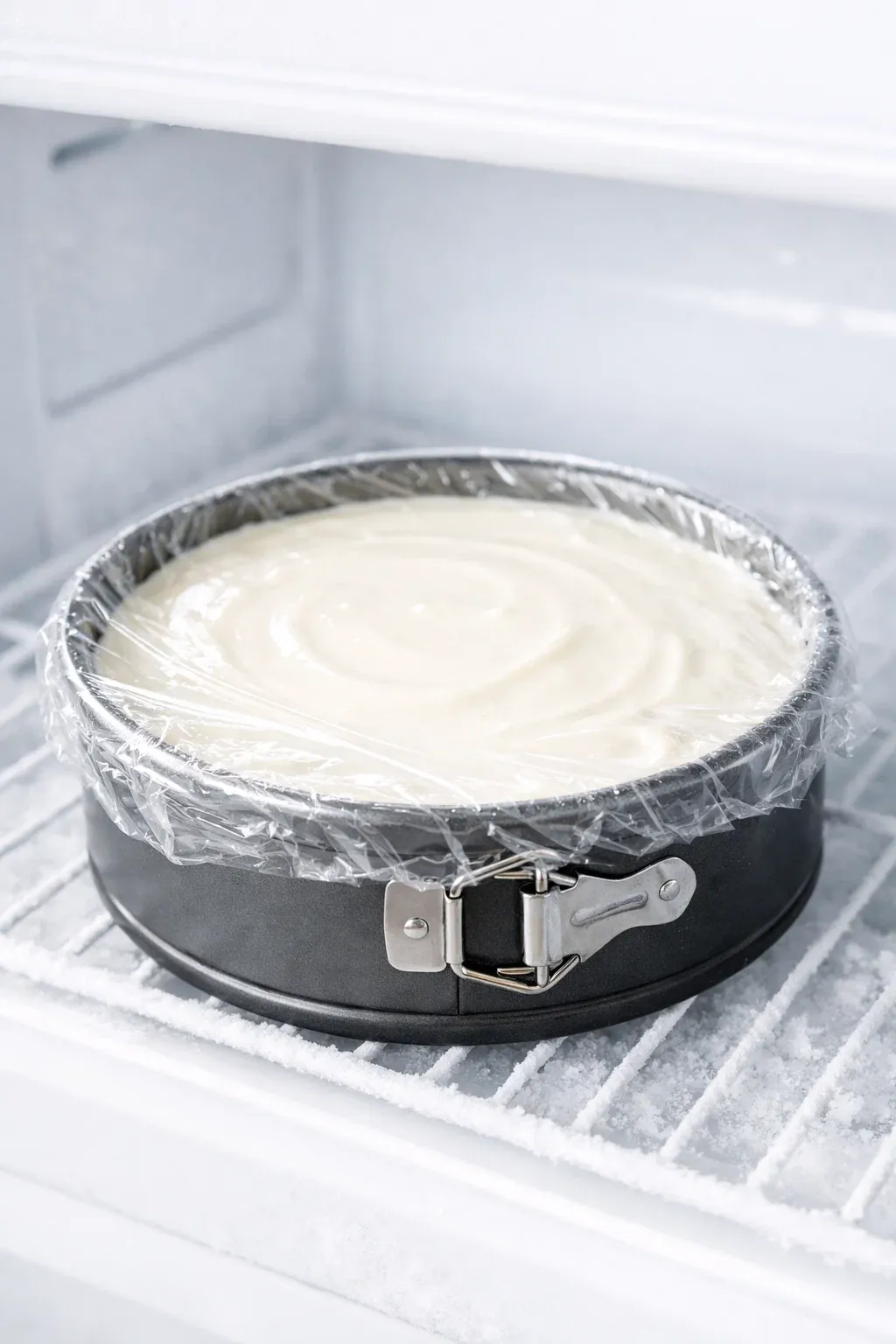
- Pour the filling over the chilled crust and tap the pan a few times to release air bubbles, then loosely cover with plastic wrap or wax paper.
- Freeze until firm, about 6 hours or overnight.
- Before slicing and serving, let the cheesecake thaw slightly for about 20–30 minutes.
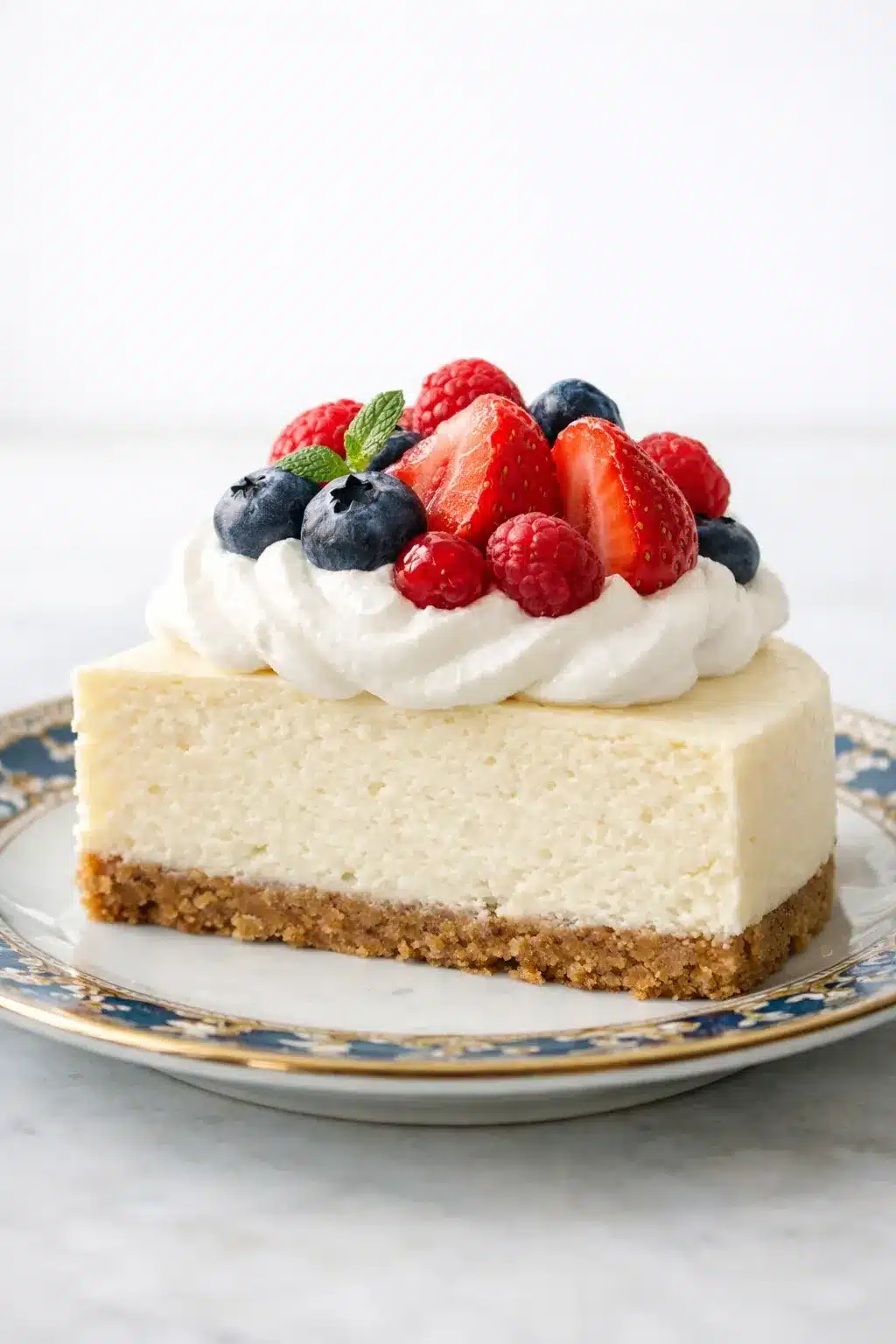
- Serve as-is or top with coconut whipped cream and/or citrus zest and fresh berries.
- Keep leftovers covered in the refrigerator for a softer cheesecake for up to 4–5 days, or freeze for up to 1 month.
Notes
US Customary – Metric measurements are used in the recipe card above. CRUST – 1 cup medjool dates (packed, pitted // pitted before measuring); 1 1/2 cups raw walnuts (or sub raw almonds or rolled oats); 1 pinch sea salt. FILLING – 1 1/2 cups raw cashews (soaked overnight in cool water or in very hot water for 1 hour); 1 tsp vanilla extract; 1 Tbsp citrus zest (orange or lemon); 1/4 cup lemon juice; 1 Tbsp melted coconut oil (omit if oil-free); 1/2 cup maple syrup (use less for a more tart cheesecake); 3/4 cup coconut yogurt (or store-bought – we like COYO and Culina); 1/4 tsp sea salt. FOR SERVING optional – Fresh berries; Citrus zest/orange slices; Coconut Whipped Cream.
Instructions
Line a cheesecake pan with parchment paper and set it aside (a springform pan is preferred, but a round cake pan or loaf pan also works). For the crust, blend the dates in a food processor until they break down into small bits and come together into a ball; remove and set aside.
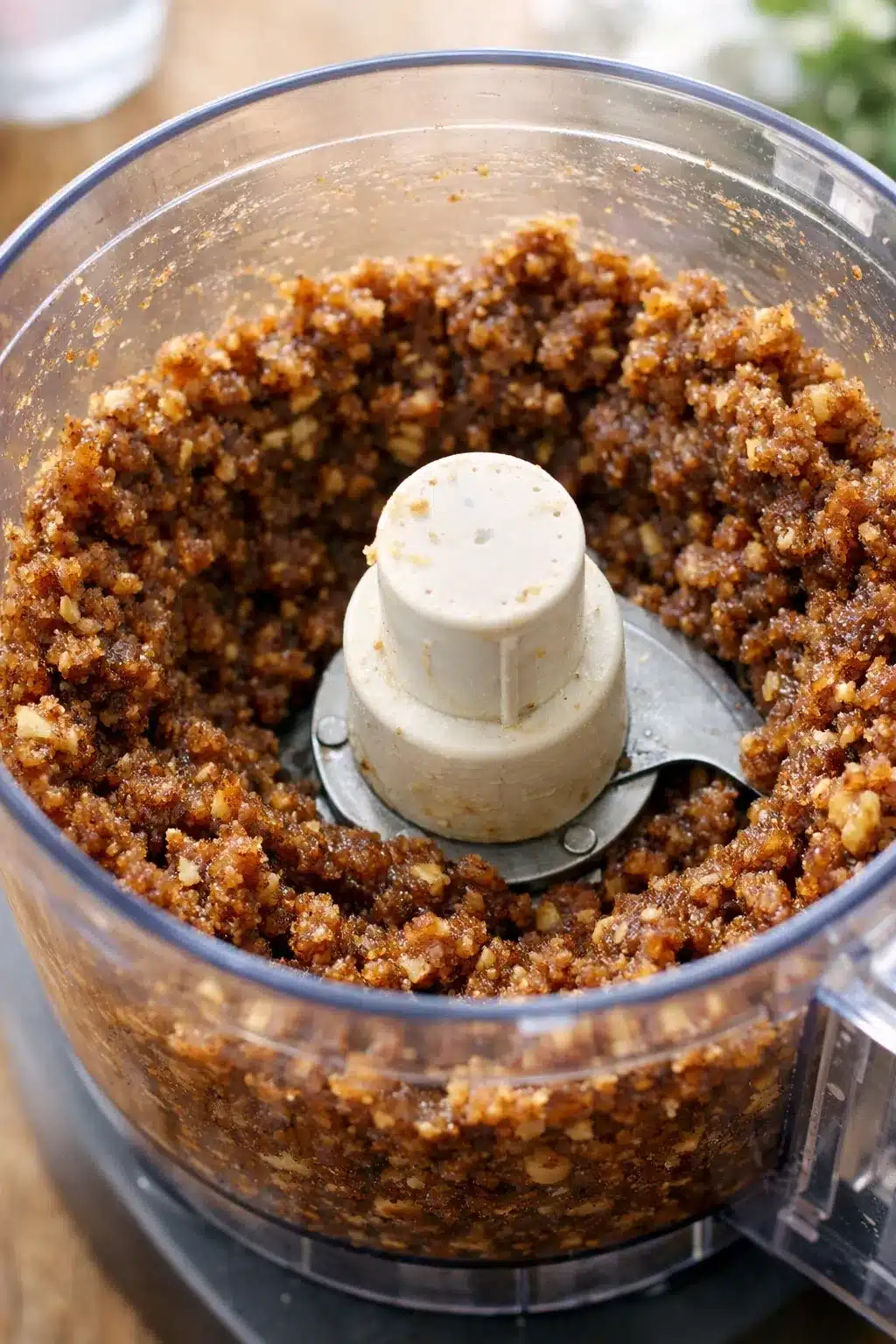
Add the walnuts and sea salt to the processor and process into a meal, then add the dates back in and blend until a loose dough forms that holds together when pinched; if it seems too dry, feed in a few more dates while processing.
Press the crust mixture into the prepared pan, using your fingers to spread it evenly; to compact it firmly and help it climb up the sides, press it down with a small glass wrapped in parchment paper. Place the crust in the freezer to firm up.
Add all filling ingredients to a blender and blend until very smooth (up to 2 minutes); if it won’t fully blend or looks chunky, add a little more lemon juice, coconut yogurt, or maple syrup to help it come together. Scrape down the sides as needed and keep blending until very creamy and smooth.
Taste and adjust as needed by adding more maple syrup for sweetness, more coconut yogurt for tang, or more lemon or orange zest for citrus flavor.
Pour the filling over the chilled crust and tap the pan a few times to release air bubbles, then loosely cover with plastic wrap or wax paper and freeze until firm (about 6 hours or overnight). Before slicing and serving, let it thaw slightly for about 20–30 minutes. Serve as-is or top with coconut whipped cream and/or citrus zest and fresh berries. Keep leftovers covered in the refrigerator for a softer cheesecake for up to 4–5 days, or freeze for up to 1 month.
How the vegan version behaves in the fridge and freezer
The cake sets by freezing and firms up as the filling cools and the crust absorbs moisture. Chill time is crucial: at least 6 hours in the freezer gives a sliceable texture, but overnight is safer. After freezing, let the cake sit at room temperature for 20–30 minutes before cutting; this softens it just enough for a creamy mouthfeel while keeping clean slices.
No-bake vegan cheesecake methods and inspiration
No-bake vegan cheesecakes vary in technique. Some are purely blended cashew creams thickened with coconut oil; others use dense yogurt plus cookies. The BBC provides a reliable reference for no-bake vegan cheesecake methods that emphasize chilling and simple binders if you want another approach to compare techniques that shows a chilled vegan cheesecake example.
Best plant-based yogurt for a cheesecake-like set
Choose a very thick Greek-style plant yogurt or unsweetened coconut yogurt made for stability. Full-fat coconut yogurts give silk and body; soy-based Greek-style yogurts can work too if they label as thick. Brands with added thickeners like tapioca or guar gum help maintain shape. If you find a thin yogurt, strain it or add a small amount of melted coconut oil to help the filling set.
How to thicken vegan yogurt if it’s too runny
If your yogurt pours, strain it in a fine-mesh sieve or cheesecloth over a bowl for 2–4 hours to remove excess whey. Alternatively, add a small amount of melted coconut oil, a tablespoon of nut butter, or instant powdered thickeners a little at a time each changes texture, so add sparingly until you reach the desired body. For future batches, choosing a thicker brand saves time and gives more consistent results.
Best cookies and crust choices
Sturdy, dry biscuits or a date-walnut crust are ideal. The crust here uses medjool dates and raw walnuts, which compact and hold moisture slowly, so the filling sets without the base dissolving too quickly. If you prefer a cookie base, choose firmer cookies like plain digestive, graham-style, or even Biscoff for a spiced twist; for a guide to cookie choices and structure, read the best cookies for yogurt cheesecake.
High-protein and texture-conscious swaps
Want a higher-protein slice? Use a high-protein plant yogurt or gently fold in a neutral-flavored protein powder. Be cautious: adding too much protein powder can dry or grain the filling. For a deeper dive into balancing protein and creaminess, consult the high-protein guide at how to make a high-protein yogurt cheesecake which covers the best yogurts and powder choices.
Flavor variations that stay stable
These tweaks play well with a freezer-set vegan cheesecake while preserving texture.
- Matcha: Add 1–2 tsp matcha powder to the filling and increase maple syrup slightly if needed to balance the herbaceous bitterness.
- Chocolate: Stir in 2–3 Tbsp unsweetened cocoa powder and adjust maple syrup to taste; use melted dark chocolate for a richer, fudgier filling.
- Coffee/Tiramisu: Dissolve 1 tsp espresso powder into a tablespoon of hot water and blend into the filling for a coffee lift without adding liquid volume.
- Berry swirl: Fold in 1/2 cup thick berry compote or swirl jam on top before freezing; thicker compote prevents weeping and keeps slices neat.
- Lemon-vanilla: Boost citrus zest to 2 Tbsp and keep a bold vanilla for bright, classically flavored slices.
For a longer list of creative ideas and layered techniques, check the variations collection at Japanese yogurt cheesecake variations.
Toppings that improve texture and taste
Choose toppings that won’t weep and water down the cake. Thick compotes, toasted nuts, crushed cookies, citrus zest, cocoa or matcha dusting, and a dollop of coconut whipped cream work beautifully. Add fresh fruit right before serving so it stays bright and doesn’t release juice into the slice.
Troubleshooting (vegan edition)
Not setting? Your yogurt may be too thin or the chill time was too short. Strain the yogurt, add a small stabilizer such as coconut oil, or freeze longer. If the cake is watery or separates, stir gently after straining or give it more time to firm. If cookies dissolve too fast, use sturdier biscuits or the date-walnut crust. For concentrated troubleshooting advice and rescue tips, see why yogurt cheesecake isn’t setting.
Storage and make-ahead
Keep leftovers covered in the refrigerator for a softer texture for up to 4–5 days, or freeze for up to 1 month for longer storage. Thaw slices in the fridge for several hours or at room temperature for 20–30 minutes for a creamy finish. You can assemble up to two days ahead, but add delicate toppings like fresh berries right before serving.
Recipe notes and timings
Prep Time 8 hours hours. Total Time 8 hours hours. Servings 10 slices. Course Dessert. Cuisine Gluten-Free, Vegan. Freezer Friendly 1 month. Does it keep? 4-5 Days. Notes: The nutrition information below is a rough estimate calculated with the coconut oil included and without any additional toppings.
Nutrition
Nutrition (1 of 10 servings) Serving: 1 Slice Calories: 362 Carbohydrates: 40.1 g Protein: 7.6 g Fat: 22.2 g Saturated Fat: 2.4 g Trans Fat: 0 g Cholesterol: 0 mg Sodium: 53 mg Fiber: 3.9 g Sugar: 28.3 g
FAQ
Why does my Japanese cheesecake not rise?
If you mean the viral yogurt “Japanese cheesecake,” it isn’t supposed to rise at all because it’s no-bake and sets by chilling. If you mean baked Japanese soufflé/cotton cheesecake, common causes of poor rise are under-whipped meringue, deflating the batter while folding, overmixing, using cold egg whites, greasy bowl or whisk, overbaking (it rises then collapses), or sudden temperature changes that make it shrink.
How to set a vegan cheesecake?
For the viral no-bake version, the key is thickness: use a very thick plant-based yogurt (Greek-style, thick coconut/soy) and chill long enough so the cookies absorb moisture and help it firm up. If the yogurt is runny, strain it first, avoid watery add-ins, and use sturdy dry cookies. For traditional vegan cheesecakes, setting usually comes from chilling/freezing plus a firming agent (like coconut oil or a gelling agent) and a blended base (often cashews) that thickens as it cools.
Does Japanese cheesecake need to be in the fridge?
The viral yogurt version must be refrigerated to set and to stay food-safe; it’s best served cold. Traditional baked Japanese soufflé cheesecake is also commonly chilled after baking for best slicing and texture, though it can be eaten at room temp; storage is typically in the fridge.
How is Japanese cheesecake different from regular cheesecake?
Japanese cheesecake usually refers to a lighter style: either a soufflé/cotton cheesecake that’s airy and sponge-like, or a “reare” cheesecake that’s no-bake and mousse-like. Regular (Western-style) cheesecake is typically denser, richer, and often built on cream cheese (baked or heavy no-bake versions). The viral “Japanese yogurt cheesecake” is a simplified no-bake hack using thick yogurt plus cookies to mimic a light, creamy cheesecake texture.
Conclusion
Vegan No-Bake Coconut Yogurt Cheesecake is a chill-and-serve dessert with bright citrus and creamy texture, perfect for make-ahead entertaining and freezer-friendly storage.