
yogurt cheesecake not setting can be heartbreaking when you crave that creamy, tangy slice that melts on your tongue. The good news is most failures are simple to diagnose and fix, often coming down to yogurt thickness, cookie choice, or chill time rather than a ruined dessert.
Read on for a quick checklist to pinpoint the problem, practical rescues you can try today, and prevention tips so your viral Japanese yogurt cheesecake turns out perfectly every time. Expect clear, kitchen-tested advice you can use while your cheesecake chills.
Start with the right ingredients and a little patience – the rescue and prevention notes below pair with the recipe card above and the short ingredient and instruction paragraphs that follow.
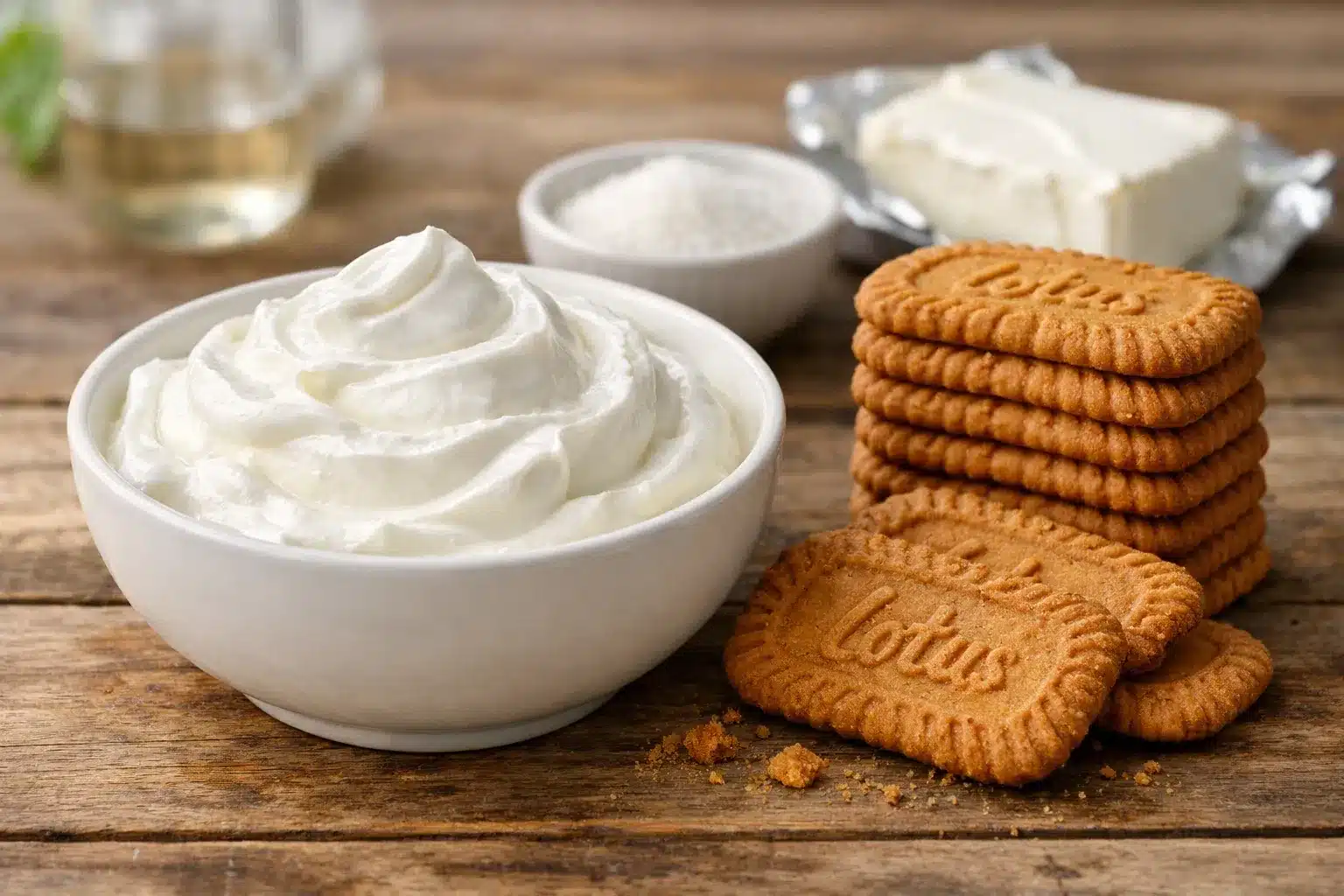
Table of Contents
Ingredients

yogurt cheesecake not setting
Equipment
- container
- refrigerator
Ingredients
- 125 gm Greek yogurt full-fat or low-fat
- 4 biscoff cookies Biscoff, Oreos, shortbread, tea biscuits, or digestive biscuits
- Optional toppings: crushed cookies berries, jam, honey, lemon zest
Instructions
- Smooth the top of the Greek yogurt in its container.
- Press the cookies upright into the yogurt in tight rows so they are mostly submerged.
- Cover and refrigerate for at least 4 hours.
- For the best texture, chill overnight.
- When set, either unmold and slice or serve directly from the container.
- Add toppings if you want, such as crushed cookies, berries, jam, honey, or lemon zest.
Notes
1x 2x 3x – 125 gm Greek yogurt full-fat or low-fat; 4 biscoff cookies Biscoff, Oreos, shortbread, tea biscuits, or digestive biscuits; optional toppings: crushed cookies, berries, jam, honey, lemon zest.
Instructions
Smooth the top of the Greek yogurt in its container. Press the cookies upright into the yogurt in tight rows so they are mostly submerged. Cover and refrigerate for at least 4 hours; for the best texture, chill overnight. When set, either unmold and slice or serve directly from the container, adding toppings if you want.
Quick Diagnosis – Pick Your Problem (yogurt cheesecake not setting)
Before you tinker, check four simple things: yogurt thickness, chill time, cookie type, and added liquids. Feel the yogurt – is it thick and velvety or loose and pourable? Look for separated clear liquid on the surface. Note how long it’s been chilling and whether the fridge is cold. Inspect the cookies – are they still holding shape or dissolving into mush?
The 3 Main Reasons It Won’t Set
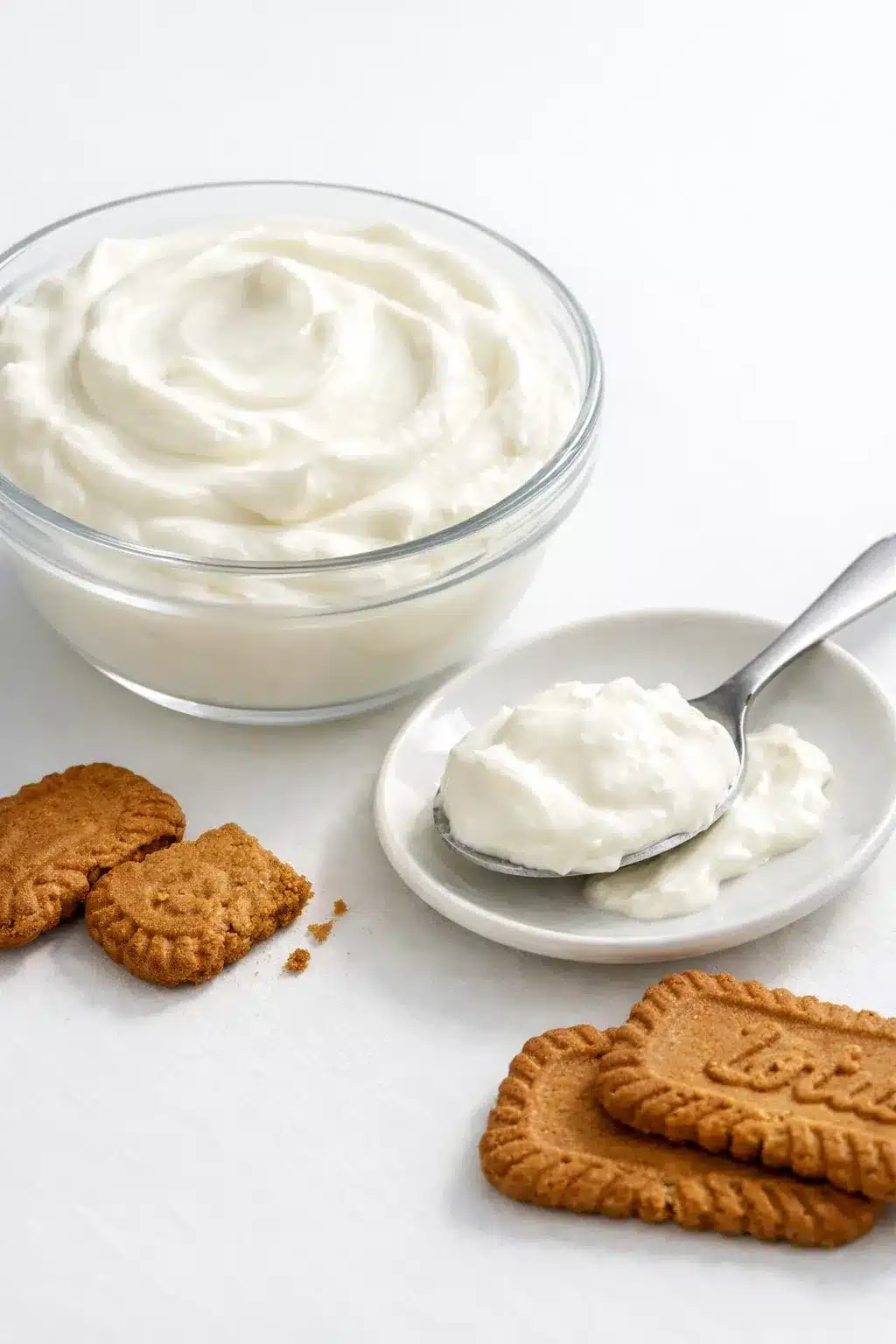
Thin yogurt – Low-viscosity yogurt lacks the protein network to hold structure. The dessert needs a dense, creamy base to become sliceable.
Too little chill time – Cookie layers need hours to absorb moisture from the yogurt. A minimum of 4 hours is common, but overnight is best for a stable, clean slice.
Wrong cookie type – Soft, cake-like cookies or ultra-thin wafers can disintegrate and release crumbs and moisture, which prevents the internal lattice from forming and drains structure from the dessert.
Fix #1 – Your Yogurt Is Too Thin
How to tell: pour a spoonful onto a plate. If it spreads quickly or you see a layer of clear whey on top, the yogurt is too thin to form a set. In assembled desserts a thin base will let cookies slump and the whole block stay spoonable.
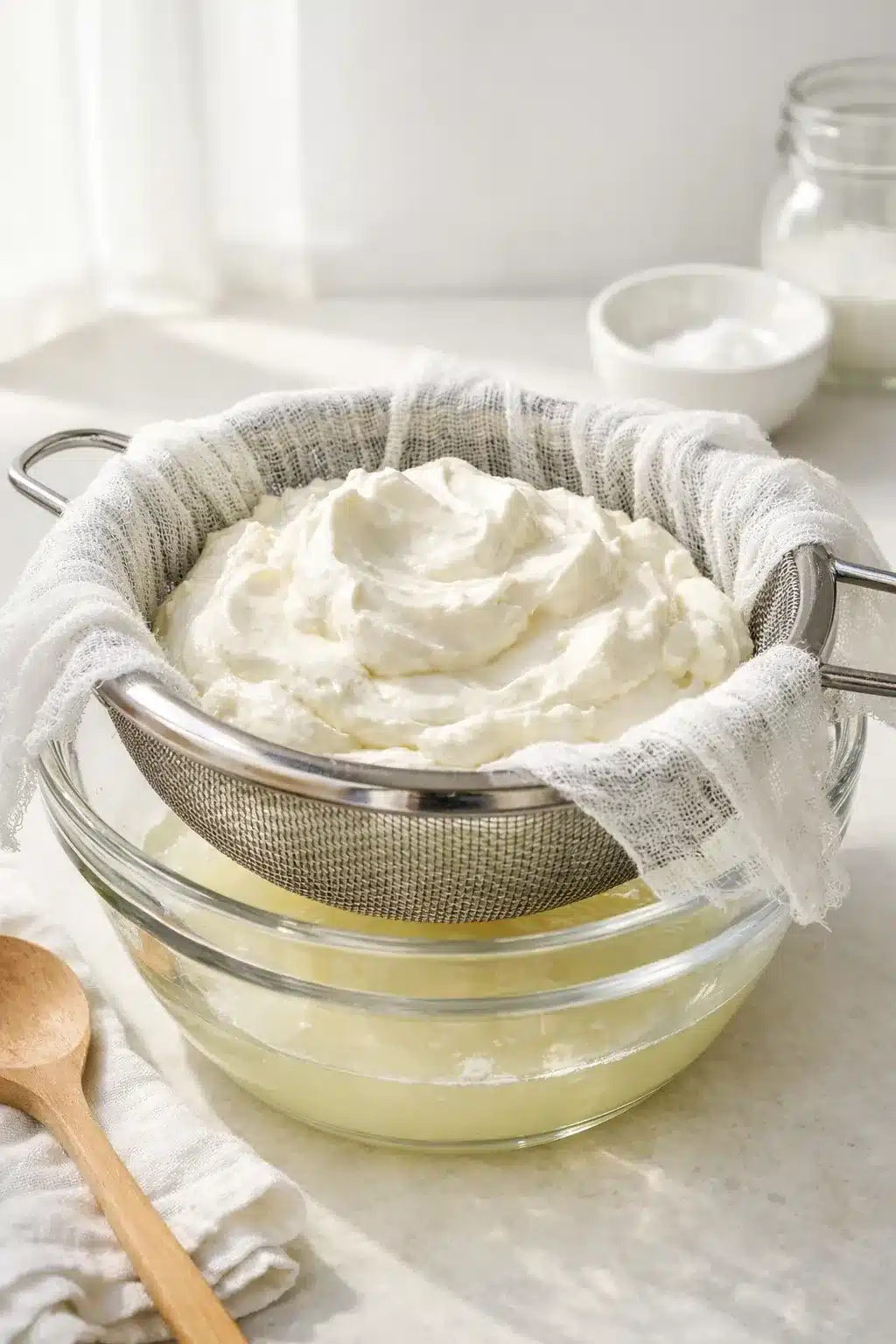
Quick kitchen repairs: strain the yogurt for 30 to 60 minutes using a cheesecloth-lined sieve to remove excess whey and concentrate proteins. If you need a faster rescue, gently fold in a small amount of room-temperature full-fat cream cheese or a scoop of unflavored protein powder; both add body without changing the basic flavor too much. Stir just until combined, press cookies back in if they moved, and chill until firm.
Long-term fixes: choose high-protein Greek yogurt or skyr next time. Avoid unstrained regular yogurts unless you plan to strain them. If you prefer a dairy-free option, the vegan adaptation article explains how to pick thick plant-based yogurts and which stabilizers give the best results; the advice there helps recreate the same dense mouthfeel without dairy. Vegan Japanese Yogurt Cheesecake
Fix #2 – It Just Needs More Time
Minimum vs best: the practical minimum setting time is 4 hours. However, after 6 hours you’ll notice appreciable firming; overnight chilling gives the densest texture and the cleanest slices. The cookies fully hydrate and the yogurt network tightens as it cools.
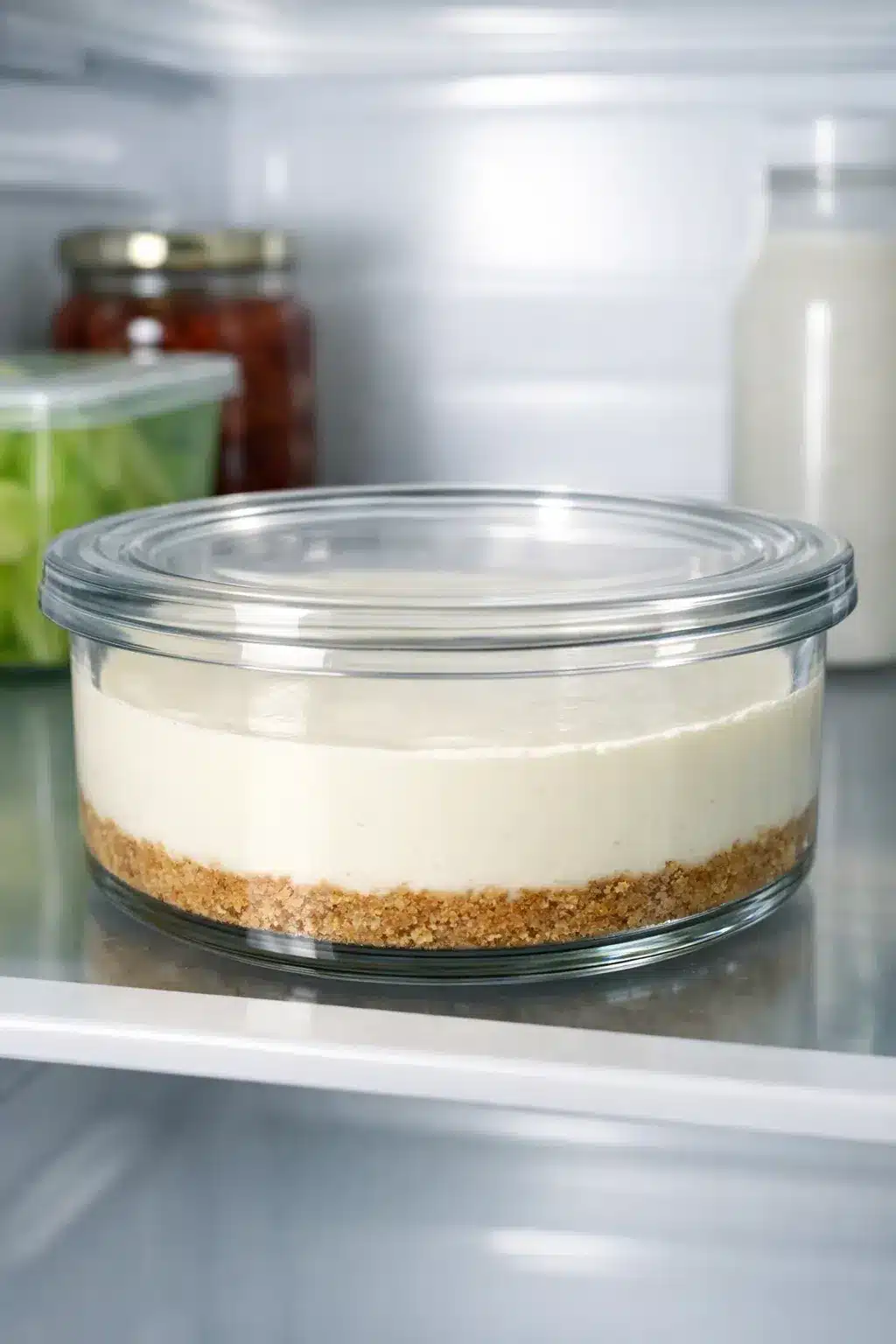
What “set” feels like: a cold surface with slight give, little to no liquid pooling, and cookies that have softened but still hold a sliceable edge. If your cheesecake feels gelatinous but not sliceable, give it another couple of hours in a consistently cold fridge – the difference can be dramatic.
Fix #3 – Your Cookies Are the Issue
What works best: dry, sturdy biscuits such as shortbread, digestives, or firm sandwich cookies. These retain form while absorbing moisture and create internal scaffolding that helps the whole dessert hold its shape.
What fails: soft cake-like biscuits, crumbly moist cookies, or very thin crisp wafers that disintegrate and release crumb slurry. If cookies have dissolved, you can press in fresh cookies and allow several more hours of chill time for the structure to rebuild, or use sturdier replacements next time.
For more on cookie selection and why particular biscuits work better, see the dedicated guide on cookie choices and structure. It explains flavor matches and textural goals so you can pick a cookie that both tastes great and supports the set. Best Cookies for Yogurt Cheesecake
Fix #4 – Your Add-Ins Thinned It Out
Problem add-ins include fruit purees, watery syrups, fresh citrus juices, or large amounts of honey folded into the base. They can dilute protein concentration and prevent the yogurt network from forming a firm matrix.
Safer alternatives: fold in thick jam or reduced compote, use drained macerated berries, or add flavor with dry powders like cocoa or matcha. Zest and extracts give big flavor with virtually no extra liquid. Keep syrups and juicy toppings as a finish rather than mixing them into the body.
Emergency Rescues (If You Need It Firmer Today)
Fridge time is your gentlest friend. If speed is essential, a brief 20 to 30 minute stint in the freezer firms the top quickly; then move the dessert back to the fridge to avoid freezing through. Watch the time closely to prevent icy texture.
Thickening add-ins: a spoonful of softened cream cheese or a tablespoon of instant powdered thickeners will firm the mixture; stir gently, press cookies back if needed, and chill. Protein powder and powdered peanut butter are good dry fixes that add bulk without introducing liquid. If you do choose gelatin, use it sparingly and expect a slightly different, more jellied mouthfeel. Those wanting a firm no-bake set without dairy often prefer agar or a light gelatin bloom, but be aware these change texture compared with the classic milky tender style.
How to Make It Sliceable vs Spoonable
Sliceable desserts rely on three things – thicker yogurt, tight cookie packing, and extended chilling. When cookies are pressed upright in close rows they form an internal ladder that supports clean slices. A loaf pan or small cake tin helps you get consistent, even slices.
For spoonable portions keep spacing wider and use slightly looser yogurt. Serving from the original container creates a casual, tender dessert where a spoon is more appropriate than a knife. If you plan to unmold, line the mold with plastic wrap or parchment to lift the block cleanly and avoid cracking.
Prevention Checklist for Next Time
- Choose thick, high-protein yogurt or strain thin yogurt for 30 to 60 minutes before assembly.
- Use dry, sturdy cookies and press them mostly submerged in tight rows.
- Minimize added liquids; save syrups and juicy toppings as a finish.
- Cover the container and chill at least 4 hours, ideally overnight.
- Keep the fridge temperature steady and avoid frequent door opening while it’s setting.
If you want flavor twists that keep structure intact, the variations guide shows how to add chocolate, matcha, coffee, and fruit elements without sacrificing set and mouthfeel. It highlights swaps that preserve texture while adding bold flavor. Japanese Yogurt Cheesecake Variations
Serving and Storage
Serve cold straight from the fridge. Popular finishing options include adding berries with a spoon of jam, dusting with cocoa powder, or topping with fresh strawberries, blueberries, honey, or lemon zest. Cover the container and refrigerate; it keeps well for 3 to 4 days.

For presentation, unmold onto a chilled platter and garnish right before serving to avoid moisture forming on the surface. If you need to transport the dessert, keep it chilled in an insulated cooler with ice packs to maintain the set.
Nutrition facts
Calories: 149 kcal Carbohydrates: 15 g Protein: 11 g Fat: 5 g Saturated Fat: 2 g Polyunsaturated Fat: 2 g Monounsaturated Fat: 1 g Trans Fat: 0.01 g Cholesterol: 3 mg Sodium: 93 mg Potassium: 106 mg Fiber: 0.3 g Sugar: 5 g Vitamin A: 20 IU Calcium: 72 mg Iron: 1 mg
Notes
Thick yogurt is recommended because it sets best; if the yogurt is runny, strain it for 30 to 60 minutes before using. For the cleanest slices, chill overnight. Prep Time: 5 minutes. Setting time: 4 hours. Total Time: 4 hours 5 minutes. Course: Dessert. Cuisine: American, Japanese. Servings: 2. Calories: 149 kcal.
For ideas on boosting protein while keeping texture creamy, the high-protein version covers tips on yogurt selection and protein powder use without making the dessert chalky; it’s a handy resource if you want more satiety without sacrificing mouthfeel. High-Protein Yogurt Cheesecake
The icebox-cake principle underpins this dessert: cookies soften and absorb moisture in the fridge to build structure, the same idea explained in a helpful primer on the topic. What Is an Icebox Cake?
If you’re troubleshooting runny no-bake cheesecakes in general, the kitchen-tested tips at Tasting Table explain the common mistakes and fixes that also apply to yogurt-based versions. Why No-Bake Cheesecakes Stay Soft
Want a deeper troubleshooting guide for yogurt-based versions and community-sourced fixes? The viral Japanese method explains how the original recipe achieves set and which small changes affect outcome; it’s a useful reference when you’re matching yogurt protein, cookie choice, and chilling strategy. Viral Japanese Yogurt Cheesecake recipe
FAQ
What can I do if my cheesecake won’t set?
Keep it covered and chill longer (overnight is often the real fix). If it’s still loose, the base is usually too thin strain the yogurt next time, or for a rescue gently mix in a small thickener (a spoon of cream cheese, a scoop of protein powder, or powdered peanut butter) and chill again. Make sure you used firm, dry cookies and that they’re mostly submerged so they can absorb moisture evenly.
Why is my cheesecake not solidifying?
Most often: the yogurt/mixture is too watery, the chill time was too short, or the cookies are the wrong type (too soft/delicate and they dissolve instead of helping it thicken). Adding lots of liquid sweetener or watery fruit can also prevent it from firming up.
Why is my cheesecake still liquid?
If it’s still liquid after several hours, the yogurt is likely thin or separated (whey-heavy), or you added liquids that thinned it out. Another common reason is warm fridge conditions or leaving it uncovered (it won’t chill as efficiently and can absorb odors/moisture). Switch to thicker yogurt, strain if needed, and give it more time.
Why has my cheesecake not set in the fridge?
Either it hasn’t had enough time (many versions need 6+ hours and are best overnight), the yogurt is not thick enough to begin with, or the cookie structure isn’t doing its job because the cookies are too fragile, not packed evenly, or not submerged enough. Also, if your fridge runs warm or the container isn’t well covered, setting can take longer and texture can stay loose.
Conclusion
Most failures of the viral Japanese yogurt cheesecake come down to thin yogurt, too-short chill time, or fragile cookies – fix one of those and you’ll usually have a perfect, creamy dessert. For visual inspiration and to save ideas, visit my Japanese yogurt cheesecake inspiration on Pinterest.