
The viral Japanese yogurt cheesecake is a two-ingredient, no-bake wonder that delivers real cheesecake vibes with almost no effort. Two ingredients, one chill, zero baking. Thick yogurt meets dry cookies, and the fridge transforms them into a creamy, spoonable dessert with tender, cake-like bites.
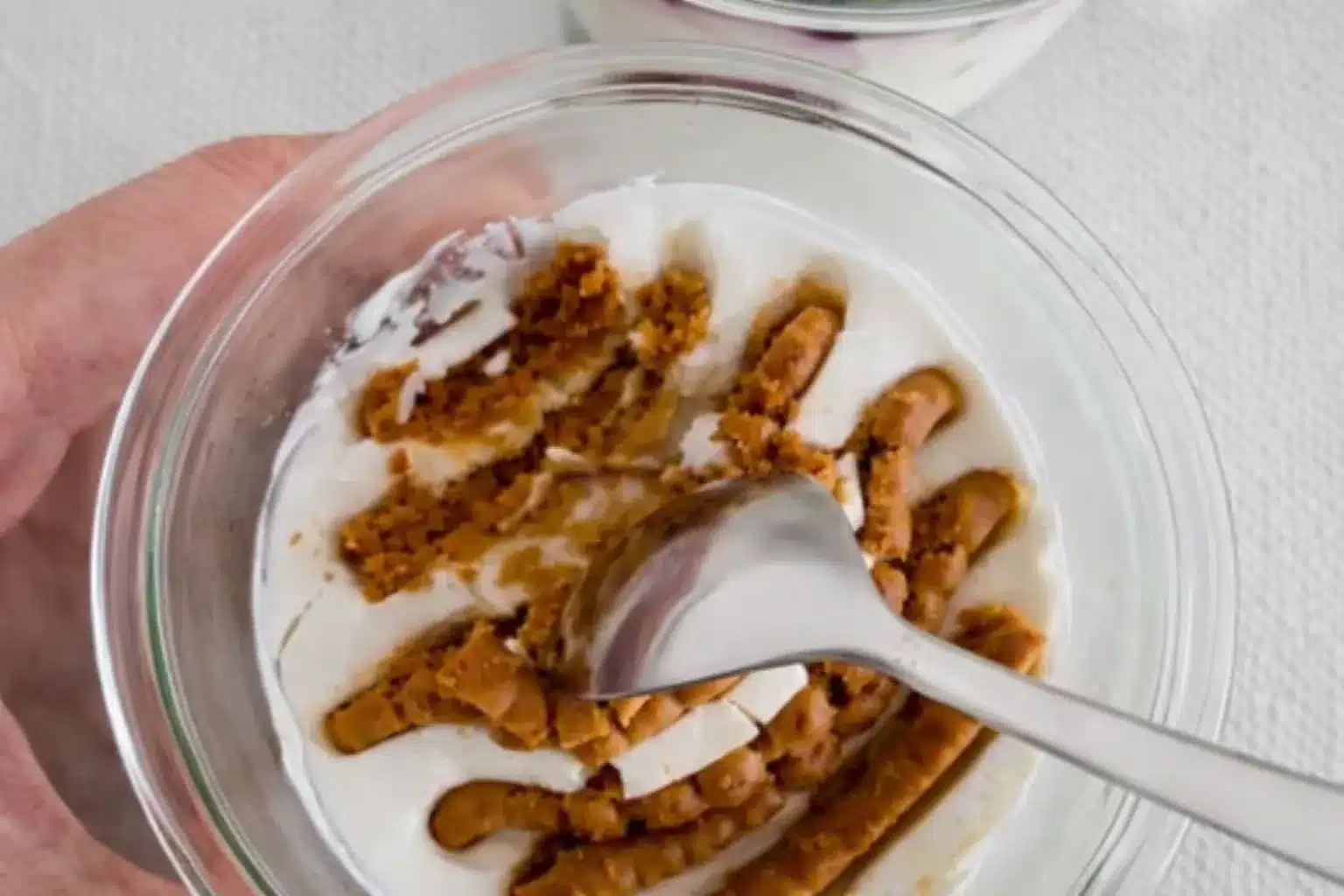
Here you’ll learn exactly what this TikTok-famous hack is, why it sets in the fridge, the precise ingredients and steps, how long to chill, easy flavor paths, fast fixes, and smart storage and nutrition tips. Consider this your practical guide to 2-Ingredient Yogurt Cheesecake (Japan’s Viral Recipe) that works on the first try.
What This Dessert Is (And Why It Works)
At its core, this is a no-bake, two-ingredient trick: thick yogurt plus dry cookies. As it chills, the cookies absorb moisture and soften, and the yogurt firms. The result is cheesecake-adjacent and spoonable, like an icebox cake crossed with a creamy parfait. It is not a baked cheesecake, but it scratches the same itch.
The “why” is simple kitchen science. Cookie starches bind the yogurt’s water while fat and proteins provide body. That balance sets into a creamy base studded with tender cookie pieces. Media coverage like this NDTV explainer on the yogurt-and-biscuits trend shows how the fridge alone can do the heavy lifting.
Flavor and texture are tangy and creamy with a gentle cheesecake note. Higher-fat yogurt or a little cream cheese makes it richer and more “cheesecake-like.” Cookies bring sweetness, spice, and aroma. Biscoff leans caramel-spiced, while coconut sablé gives a buttery, lightly tropical edge.
It’s not the classic Japanese soufflé cheesecake. That one is baked, aerated with meringue, and famously jiggly. In spirit, this hack leans closer to the chilled, no-bake family and even nods to Japanese “rare cheesecake” styles described in cheesecake overviews. If you’re searching “Japanese cheesecake near me,” know this fridge-set version is a different, simpler pleasure.
For consistent results, keep the ratio tight. About 1 1/2 cups (375 g) thick yogurt to 12–16 dry cookies creates the creamy-but-structured balance. Too many cookies make it dry or pasty. Too few cookies leave it loose, especially with low-fat yogurt.
Sweetness is flexible. Plain yogurt keeps it tangy. Flavored yogurt or a touch of honey, maple, or jam tips it toward dessert. Add liquid sweeteners sparingly so you don’t thin the base more than needed.
Viral Japanese Yogurt Cheesecake: Best Yogurt and Cookies to Use
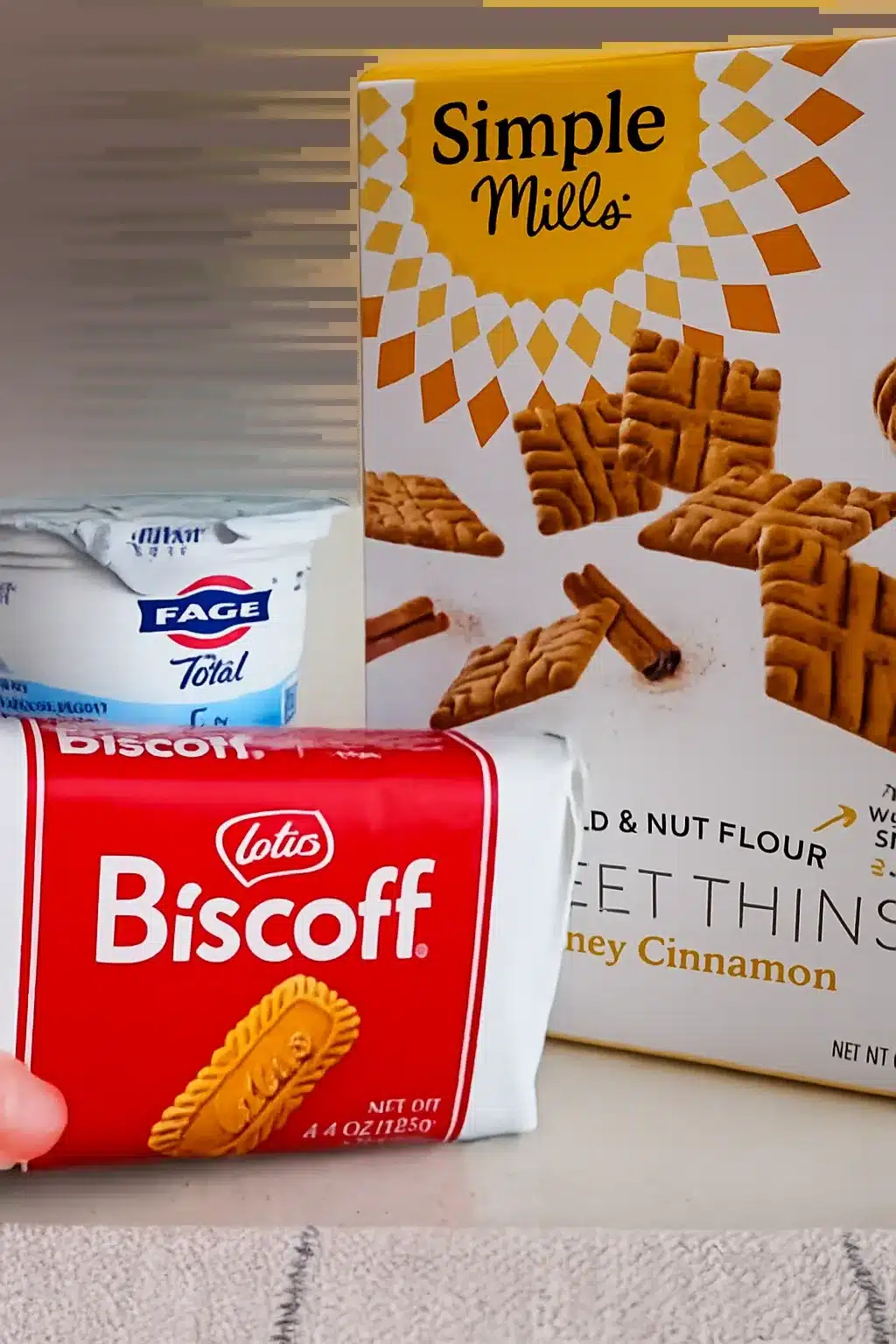
Use very thick yogurt. Greek yogurt or skyr sets best. Aim for at least 2 percent fat for creamy body. Zero percent works, but it will taste lighter and leaner. If using regular yogurt, strain it through a fine sieve or cheesecloth until very thick.
If your yogurt is runny, extra whey will weaken the set. You may see watery separation or a loose center, especially if you add liquid sweeteners. Thicker yogurt fixes 90 percent of issues in this viral Japanese yogurt cheesecake recipe.
Pick dry, sturdy cookies. Coconut sablé, Biscoff, graham-style, and similar low-moisture biscuits are ideal. Avoid very soft, airy wafers or cake-like cookies that dissolve too fast. For more detail on what works and why, see the guide to best cookies for yogurt cheesecake.
Flavor pairings are flexible. Vanilla or lemon brightens tangy yogurt. Cocoa and matcha add depth. For a viral Japanese cheesecake Biscoff vibe, use Biscoff cookies and finish with extra crumbs on top.
If straining regular yogurt, line a sieve with cheesecloth, set over a bowl, and chill 1–2 hours. You’re ready when it mounds on a spoon and holds soft peaks. Pour off collected whey before mixing.
Cookie shape matters a bit. Thin, crisp biscuits hydrate predictably. Sandwich cookies work if they are on the drier side. Very delicate wafers can disappear, while soft cake-like cookies may fragment and create gluey spots.
Ingredients
Shop once with this concise list of viral Japanese yogurt cheesecake ingredients. Measurements include US and metric for accuracy.
viral Japanese yogurt cheesecake
Equipment
- container
- knife
- spatula
Ingredients
Cheesecake
- 1 ½ cups (375 g) plain Greek yogurt I recommend at least 2% fat but you can also use 0%. Higher fat = richer and more cheesecake-like
- 2 tbsp (30 g) cream cheese optional
- 12–16 coconut sable cookies Biscoff cookies, Oreos or any type of drier cookies can be used
- 1 tsp lemon juice optional flavouring
- 1 ½ tsp vanilla extract or 1/2 vanilla bean pod, optional flavouring
- 1 tbsp maple syrup or to taste, optional flavouring
- 1 tbsp honey or to taste, optional flavouring
- 1–2 tbsp jam optional flavouring
Optional toppings
- Honey
- Jam
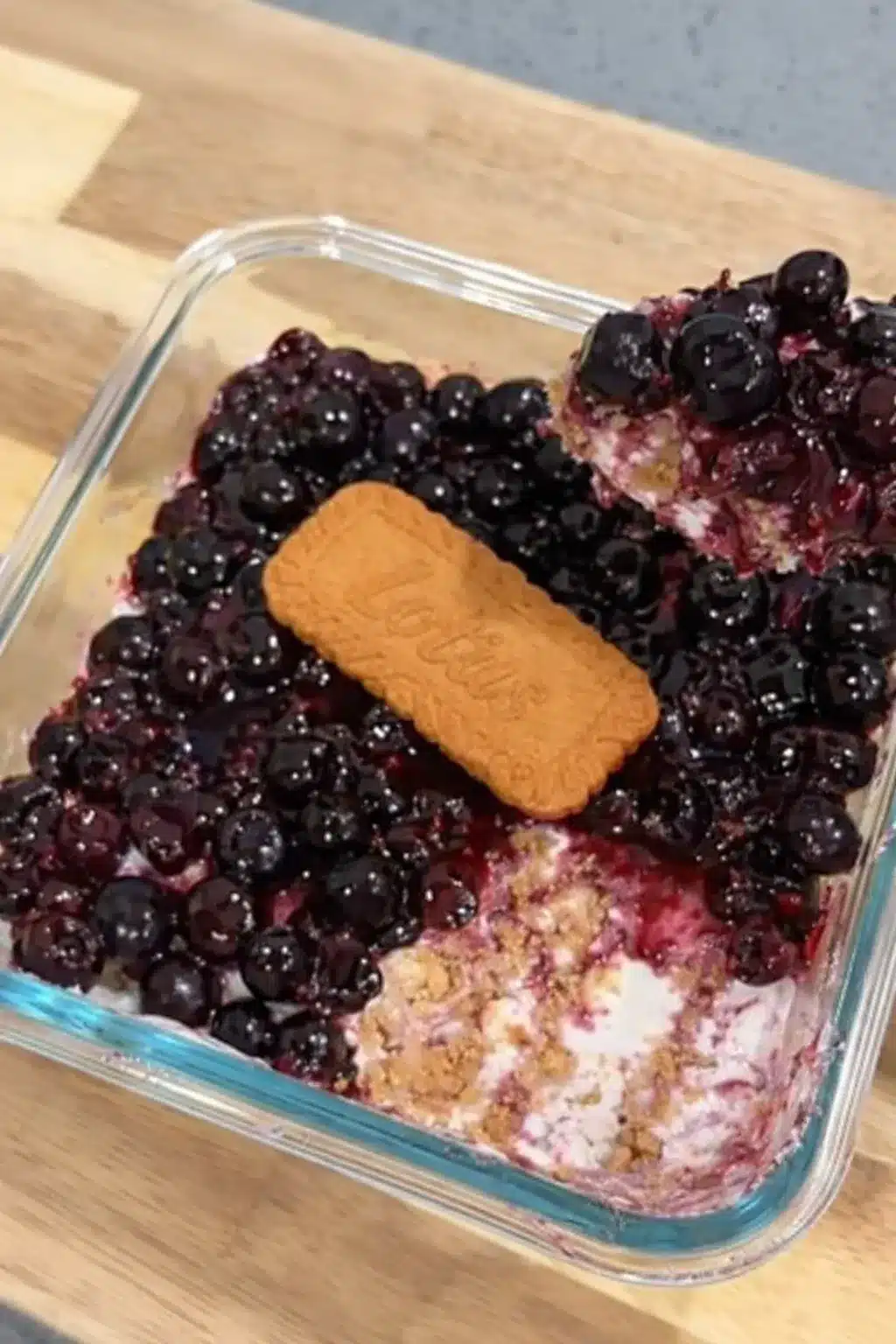
- Berry compote
- Cocoa powder
- Fresh fruit
Instructions
- If you’re using cream cheese, whisk it with the Greek yogurt until the mixture is fully smooth and creamy.
- Mix in any sweetener or flavoring you want to use, such as lemon juice, vanilla, maple syrup, honey, or jam.
- Arrange the cookies standing upright in your container, keeping about 1/2–3/4 cm of space between each one.
- Add a few cookies around the edges and press them into the yogurt so they don’t protrude more than 1/4 cm above the surface.
- Cover the container and refrigerate for at least 6 hours, or until it’s fully set.
- To serve, run a knife or spatula around the edges and flip it out to unmold, or eat it directly from the container.
- Top with honey, jam, berry compote, or fresh fruit if you like.
Notes
- 1 1/2 cups (375 g) plain Greek yogurt – I recommend at least 2% fat, but you can use 0%. Higher fat = richer, more cheesecake-like.
- 2 tbsp (30 g) cream cheese, optional, for a richer “cheesecake” note.
- 12–16 coconut sablé cookies (or other dry cookies: Biscoff, Oreos, graham-style, or similar).
- Optional flavoring (choose any): 1 tsp lemon juice; 1 1/2 tsp vanilla extract or 1/2 vanilla bean; 1 tbsp maple syrup or honey, to taste; 1–2 tbsp jam.
- Optional toppings: honey, jam, berry compote, cocoa powder, fresh fruit.
Cookie options: Biscoff cookies, Oreos, or any other drier cookie style can be used for this viral cheesecake recipe.
Instructions
- Mix: If using cream cheese, whisk it with the Greek yogurt until fully smooth. Add any sweetener or flavoring now.
- Assemble: Stand cookies upright in your container, spacing each by about 1/2–3/4 cm. Add a few around the edges and press so none protrude more than 1/4 cm above the yogurt surface.
- Chill: Cover and refrigerate for at least 6 hours, until fully set. Overnight (8–12 hours) gives the best texture.
- Serve: Run a knife or spatula around the edges and flip to unmold, or enjoy straight from the container. Top with honey, jam, berry compote, cocoa powder, or fresh fruit.
Recipe At a Glance
- Total Time: 5 minutes active (plus chilling)
- Prep Time: 5 minutes
- Chill Time: at least 6 hours, or until fully set
- Yield: 1 serving
- Diet: Vegetarian
- Category: Dessert
- Method: No bake
- Cuisine: American, Japanese
Container Size, Shape, and Unmolding Tips
Choose a container that matches your plan. Tall and narrow gives dramatic cookie stripes. Shallow and wide sets faster and unmolds easily. If slicing later, consider light layering in a small loaf pan.
- Best single-serve size: 16–20 oz (475–590 ml) deli container or a 2–3 cup glass storage dish.
- Unmolding: Line with plastic wrap or parchment first, then lift out. Or run a thin spatula around the edges and invert.
- For neat edges: Warm the knife under hot water, wipe dry, then trace the sides before flipping.
- See-through glass shows hydration progress and cookie color change.
- Layered version: Alternate thin layers of yogurt and cookies in a mini loaf pan, then chill 8–12 hours for clean slices.
- On-the-go: Assemble in a lidded jar. Eat straight from the jar with toppings.
Chill Time and Doneness Cues
Minimum chill is 6 hours. Best flavor and structure arrive after an overnight rest, typically 8–12 hours. If you’re wondering “viral Japanese yogurt cheesecake how long in fridge,” the answer depends on yogurt thickness and cookie dryness.
- Visual cues: The surface looks slightly matte, not glossy. Cookies look hydrated but hold shape.
- Touch cues: The center jiggles slightly but isn’t loose. A spoon will briefly stand before sinking.
- Overnight benefits: Cookies mellow into tender, cake-like bites, and the yogurt base tastes fuller.
- Thicker/drier inputs need less time. Thinner/softer inputs need more time. When in doubt, keep chilling.
If you added cream cheese or a little protein powder, add 1–2 hours. For a quicker set, use a wide, shallow dish to increase surface area and chill airflow.
Serving Ideas
- Top with honey, jam, berry compote, cocoa powder, or fresh fruit.
- Add crunch with crushed Biscoff or Oreo crumbs on top.
- Serve styles: in-cup parfait for a single serve, unmolded slab to slice if layered, or spoon-and-serve straight from the container.
- Balance: a little lemon zest brightens tangy yogurt. Caramel or dulce de leche adds a richer sweetness.
- For a viral Biscoff cheesecake vibe, finish with a drizzle of warm cookie butter.
- Nutty lift: sprinkle toasted almonds, pistachios, or granola right before serving.
- Seasonal finish: try macerated berries, quick cherry sauce, or a dusting of cinnamon with apple slices.
Variations (Quick Swaps)
Once you nail the base, branch out with flavors. For inspiration on chocolate, fruit, coffee, matcha, and more, skim this collection of flavor and style adaptations.
- Extra-cheesecake: whisk in 2 tbsp (30 g) cream cheese for classic tang and richness.
- Chocolate: whisk 1–2 tsp cocoa powder into the yogurt; garnish with cocoa and shaved chocolate.
- Matcha: whisk in 1–2 tsp matcha; pair with vanilla and a light honey drizzle.
- Coffee/Tiramisu-style: stir in instant espresso; dust with cocoa. Use sturdy ladyfinger-style dry biscuits.
- Fruity swirl: ripple 1–2 tbsp jam or berry compote through the yogurt before adding cookies.
- High-protein path: use skyr or Greek yogurt and, if you like, a small dose of protein powder. See the full high-protein yogurt cheesecake guide for creamy, not chalky, results.
- Vegan: choose a thick coconut or other plant yogurt and dry vegan cookies. Expect a slightly looser set. Learn more in the vegan version.
Troubleshooting (Fast Fixes)
If your 2 ingredient Japanese cheesecake feels off, these quick adjustments help. For deeper guidance, bookmark the full fixing guide.
- Not setting or runny: chill longer; switch to thicker yogurt or strain; reduce liquid add-ins; use drier cookies.
- Cookies dissolving: use sturdier, low-moisture biscuits; keep cookies whole; chill colder and longer.
- Too tangy or not sweet enough: add honey, maple, or vanilla; top with jam or caramel. A squeeze of lemon brightens bland yogurt.
- Too thick or dry: use slightly fewer cookies; add a spoon of milk or stripe in a looser yogurt as you assemble.
- Watery separation: pour off whey; fold gently; avoid mixing very watery fruit directly into the yogurt base.
Storage and Make-Ahead
- Keeps 3–4 days refrigerated in an airtight container.
- Texture continues to soften. For the best contrast, enjoy within 24–48 hours.
- Not ideal to freeze. Thawing can cause separation and a mealy cookie texture.
- Make-ahead: assemble in the morning for dinner, or the night before for next-day serving.
- Press parchment or plastic wrap directly on the surface to limit whey pooling and odor absorption.
- For the best texture on day 3–4, build smaller single serves so cookies don’t over-soften.
Nutrition Facts
Estimated with 1 1/2 cups (375 g) plain Greek yogurt and 12–16 dry cookies, without toppings. Values vary by brand and cookie choice.
- Serving Size: 1 serving
- Calories: 760
- Sugar: 32 g
- Sodium: 470 mg
- Fat: 30 g
- Saturated Fat: 8 g
- Unsaturated Fat: 22 g
- Trans Fat: 0
- Carbohydrates: 93 g
- Fiber: 3 g
- Protein: 43 g
- Cholesterol: 20 mg
Macros depend most on yogurt fat percentage and cookie type. For more protein, choose skyr and add a small scoop of casein or whey, balancing with a splash of milk to keep it creamy. For less sugar, use plainer biscuits and lean on fruit or cocoa for finishing.
FAQ
What is the viral “Japanese yogurt cheesecake”?
It’s a no-bake, two-ingredient dessert/snack where you press cookies into a tub of thick yogurt and chill it until the cookies soften into a cheesecake-like, spoonable texture. It’s popular on TikTok/Instagram and is often made with Greek yogurt or skyr + Biscoff (Lotus) cookies.
Is it actually Japanese cheesecake?
Not in the classic sense. Traditional Japanese soufflé/cotton cheesecake is a baked cake made with eggs and a whipped meringue for a light, airy texture. The viral yogurt version is a modern social-media “hack” that borrows the vibe, not the technique.
Why did it go viral?
Because it’s ultra-low effort, uses common ingredients, and delivers a surprisingly “cheesecake-ish” result after chilling—plus it’s easy to customize with flavors and toppings.
What are the 2 ingredients?
Most versions use: Thick yogurt (Greek yogurt or skyr) and cookies/biscuits (commonly Biscoff; also coconut sablé, graham-style, etc).
What yogurt works best (Greek yogurt vs regular yogurt)?
Thicker is better. Greek yogurt or skyr gives the best “set” because it has less free liquid and a richer mouthfeel. Regular yogurt is often too watery unless it’s strained first.
Should I use full-fat yogurt or low-fat?
For the most “cheesecake-like” texture, full-fat or at least 2% tends to taste richer and set better than very low-fat yogurts.
How do I make a Biscoff version taste more “cheesecake-like”?
Two common upgrades: Add a small spoon of cream cheese to the yogurt (richer, more classic cheesecake flavor). Add crushed Biscoff on top for a stronger cookie taste.
Will the cookies get soggy?
They will soften, yes—but ideally into a cake-like, tiramisu-style texture, not watery mush. Keeping cookies whole (not crushed) helps them soften evenly.
Conclusion
Thick yogurt, dry cookies, and patience in the fridge make this viral Japanese yogurt cheesecake foolproof. Start basic, then tweak with small flavors to make it yours. For more ideas and to save it for later, follow along on my Pinterest boards and pin your favorite version.