
Best cookies for yogurt cheesecake start crisp and fragrant, delivering a crunchy, caramel-spiced contrast to silky, tangy yogurt. The right biscuit creates texture, flavor, and a surprising setting effect that turns spoonable yogurt into cheesecake-like slices. You’ll taste warm spice, toasted sugar, and a satisfying snap.
Read on to learn how cookies control structure and flavor, which types always work, which to avoid, and how to use a homemade Biscoff (Belgian speculoos) as an ideal match. I include an easy-to-follow homemade Biscoff recipe and practical tips for packing, chilling, and troubleshooting so your viral Japanese-style yogurt cheesecake sets every time.
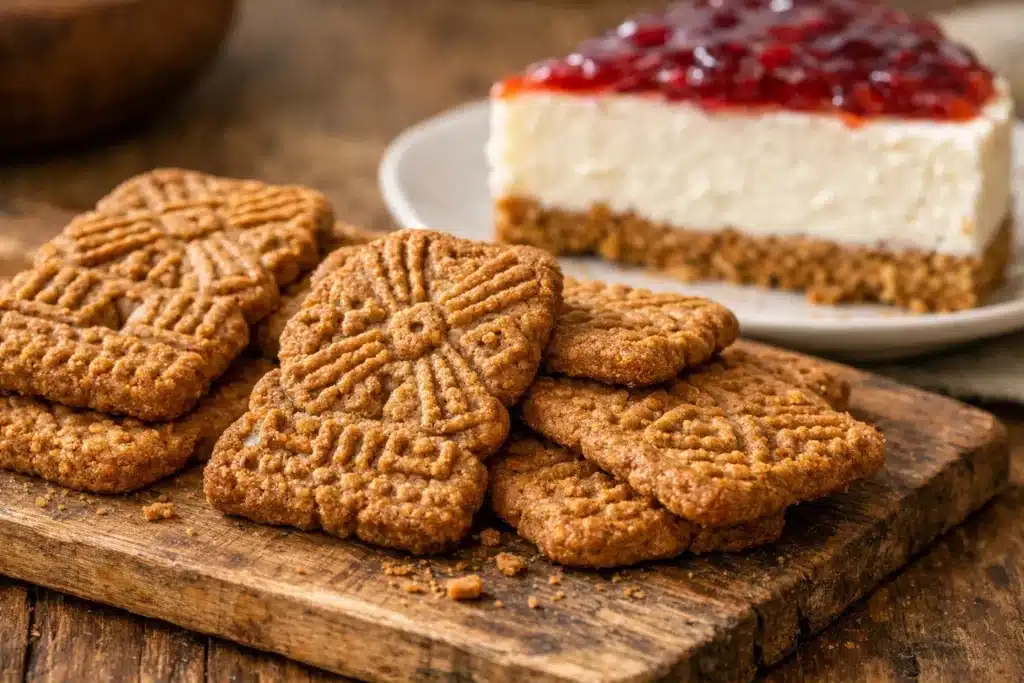
Table of Contents
How cookies help it set
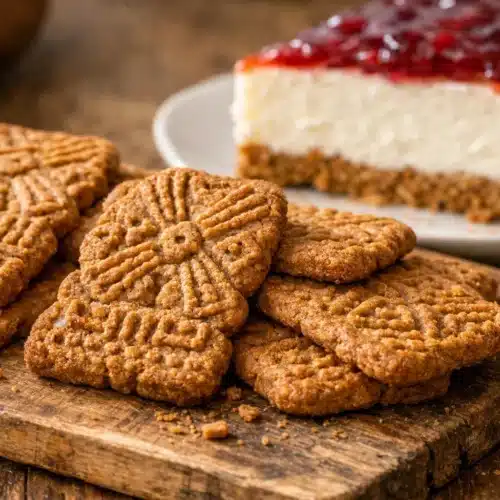
Homemade Biscoff (Belgian Speculoos Cookies)
Equipment
- stand mixer
- Rolling Pin
- pastry brush
- offset spatula
- two half-sheet pans
- Fluted pastry wheel
Ingredients
- 5 ¼ ounces light brown candi sugar, such as Brewer’s Best, or deeply toasted sugar about 2/3 cup, firmly packed; 150 g
- 3 ounces unsalted butter soft but cool, about 70°F or 21°C (6 tablespoons; 85 g)
- ¾ teaspoon baking soda 4.75 g
- ¾ teaspoon Ceylon cinnamon 1.5 g
- ½ teaspoon kinako (roasted soybean flour) 1 g, such as Shirakiku, optional
- ¼ teaspoon ground or freshly grated nutmeg 0.25 g
- Shy ⅛ teaspoon Diamond Crystal kosher salt 0.35 g; for table salt, use half as much by volume or use the same weight
- Shy ⅛ teaspoon ground cloves 0.15 g
- 1/16 teaspoon ground cardamom 0.10 g
- 1/16 teaspoon ground anise 0.10 g
- ½ ounce tap water about 1 tablespoon; 15 g
- 5 ½ ounces all-purpose flour about 1 1/4 cups; 155 g
Instructions
- Set an oven rack in the lower-middle position and heat the oven to 350°F (180°C).
- In a stand mixer bowl fitted with the paddle, add the candi or toasted sugar, butter, baking soda, cinnamon, kinako (if using), nutmeg, salt, cloves, cardamom, and anise.
- Beat on medium until the mixture is fluffy, soft, and pale, about 10 minutes, stopping to scrape the bowl and paddle as needed.
- With the mixer still on medium, gradually add the water a little at a time until fully absorbed.
- Switch the mixer to low, add the flour all at once, and mix until the dough starts gathering around the paddle.
- Turn the dough out onto a clean surface and gently knead into a ball.
- Pat the dough into a rectangle, dust above and below with flour, and roll to 3/16-inch thick using a ruler to guide the thickness.
- Slide an offset spatula under the dough to loosen it and brush away excess flour.
- Using a fluted pastry wheel, cut into 3/4-inch strips, then cut across to make 2-inch rectangles.
- Transfer the cut cookies and any scraps to a parchment-lined half sheet pan, leaving 1 inch between pieces to allow for spreading.
- Bake until golden brown, about 16 minutes, rotating the pan halfway through if needed for even browning.
- Let cool to room temperature directly on the baking sheet; the cookies won’t become crisp until fully cool.
- Enjoy with coffee and store leftovers in an airtight container at room temperature for up to 1 month.
- Grind scraps for crumbs and freeze in an airtight container for up to 3 months.
Notes
Cookies act like tiny sponges. They soak up moisture from thick yogurt and collapse into a cake-like matrix that feels denser and creamier. This icebox effect makes the dessert feel firmer without baking. Meanwhile, the right cookie keeps structure instead of dissolving into mush.
The viral Japanese yogurt cheesecake relies on this interaction between cookie and yogurt for its texture. For the core method and explanation of how the viral recipe uses thick yogurt and cookies to achieve that unique, creamy-but-sliceable result, see the base technique described at viral Japanese yogurt cheesecake.
The best cookie traits – use this checklist
Look for cookies that are dry, crisp, and sturdy. They should be uncoated and not cakey. A cookie that holds its shape while absorbing moisture will make slices that stand up cleanly. Also note sweetness: neutral or lightly sweet cookies emphasize yogurt tang; spiced cookies add depth.
Top cookie picks
Some cookie categories consistently produce the best results. Each brings a different flavor and setting performance.
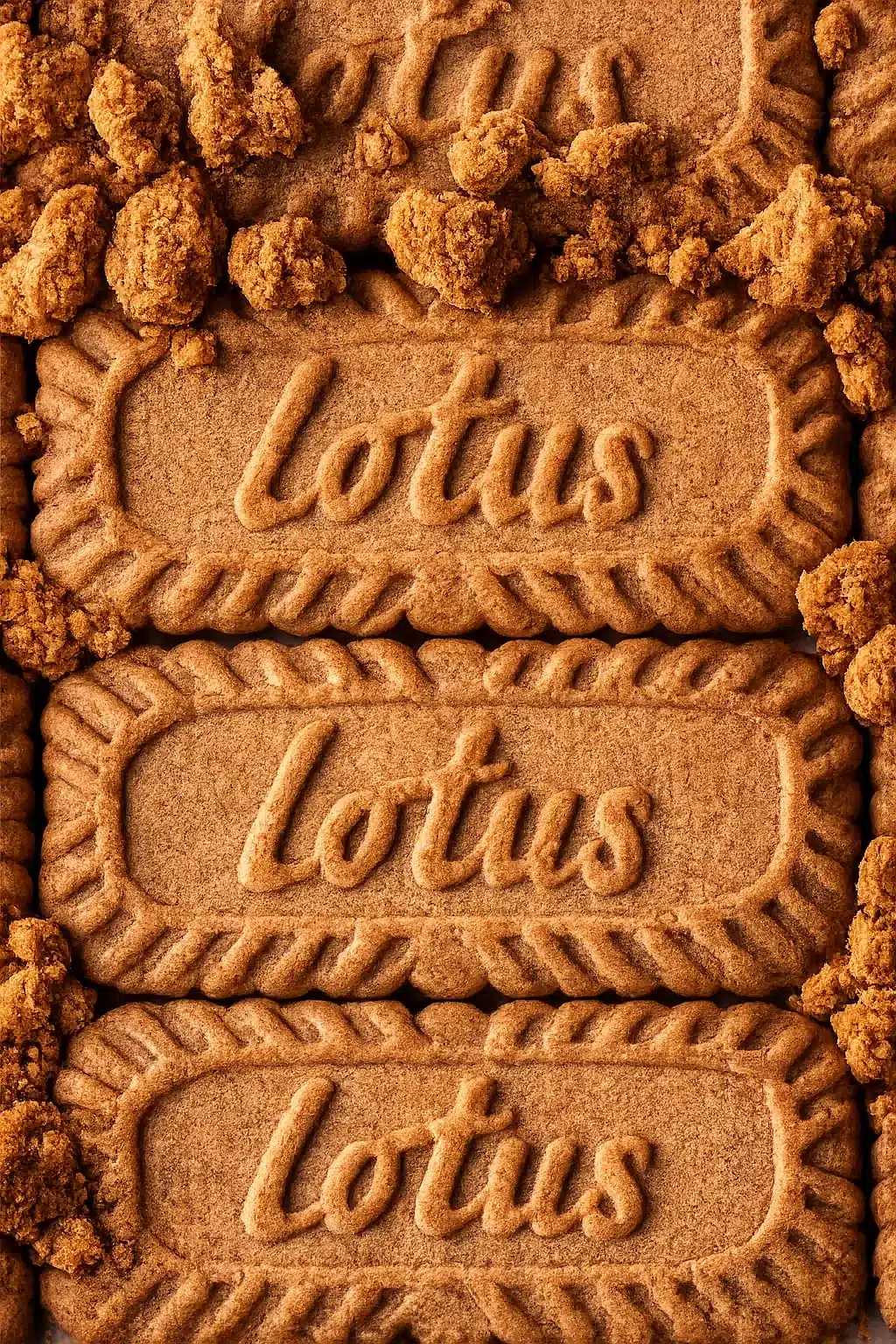
Speculoos / Biscoff-style
Warm spice and caramel notes define these cookies. Their dense, dry texture resists turning pasty and gives a deep, toffee-like flavor as they soften. Learn more about speculoos history and flavor on Wikipedia’s speculoos page.
Digestive / Graham-style
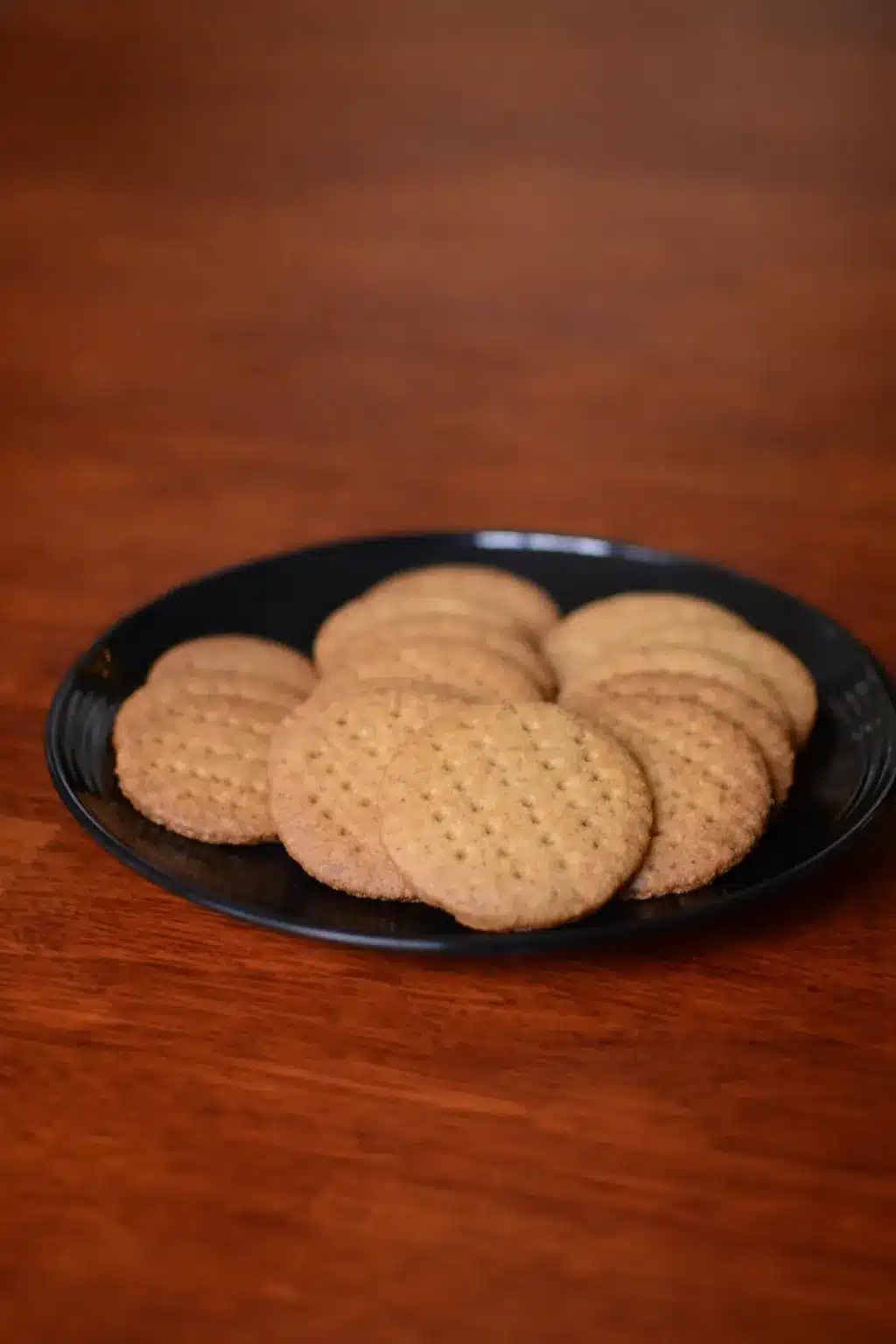
Classic and reliable, these cookies crush into cohesive crumbs and provide the familiar cheesecake profile. They’re mildly sweet and ideal when you want an authentic cheesecake flavor without overpowering the yogurt.
Tea biscuits and vanilla wafers
These produce a lighter, milder crust that highlights the yogurt. They soften evenly and remain gently textured great for a delicate, spoonable version or layered assemblies where you want a subtle crunch.
Chocolate options (when you want cookies & cream)
Sturdy chocolate sandwich cookies work well when you want a cookies-and-cream vibe. They soften into rich layers that echo a chocolate crust. Avoid very thin chocolate wafers, which can become pasty quickly and mask the yogurt’s tang.
Cookies to avoid
Skip soft cake-like cookies; they collapse into an unpleasant mush. Also avoid cookies with thick chocolate coatings or heavy cream fillings because the coatings repel yogurt and create uneven texture. Very thin crackers or delicate buttery biscuits often disappear into the layers rather than contributing structure.
Best cookies by texture goal
If you want spoonable creaminess, nearly any biscuit will do favor flavor. For sliceable layers, choose denser speculoos, digestive, or graham-style biscuits packed tightly with little gap. For a true cheesecake bite, combine sturdy cookies with thicker yogurt and longer chill time.
Best cookies by flavor goal
Match cookie to the flavor direction: graham or digestive for classic cheesecake, speculoos for spiced caramel notes, chocolate sandwich cookies for cookies-and-cream, and vanilla wafers or tea biscuits for a light, mild profile. Each choice alters both taste and how the dessert sets.
Portion and placement (makes a big difference)
Cookies should be mostly submerged and packed without big gaps. If you leave spaces, the yogurt won’t bind the layers into a cohesive slice. Press cookies gently into the yogurt, but avoid crushing them flat; a firm but forgiving press yields the best texture.
Gluten-free and vegan cookie tips
Gluten-free cookies can work, but many are more fragile. Choose dry, sturdy GF biscuits and pack them more tightly. For vegan desserts, plant-based yogurts need denser cookies and extra chill time to compensate for different moisture content. For detailed vegan substitutions and how to pick thick dairy-free yogurts, see the guide to making a dairy-free version at vegan Japanese yogurt cheesecake.
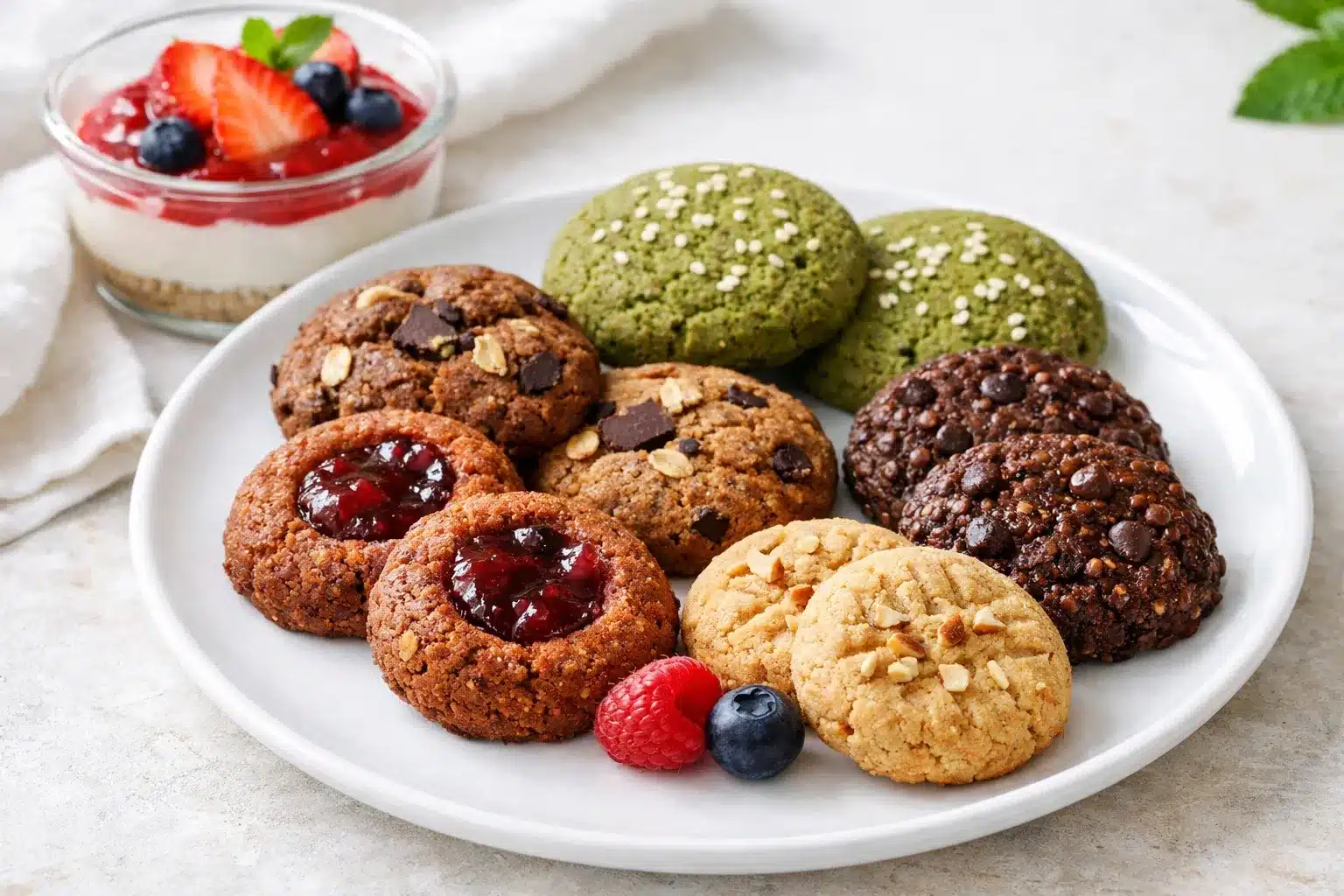
When selecting certified gluten-free cookies, learn how to read FDA gluten-free labels to pick safe packaged options by reviewing the FDA gluten-free label guidance.
Troubleshooting cookie problems
If cookies dissolve, swap to sturdier biscuits and increase chill time. If the dessert is too soft, use thicker yogurt, pack cookies tighter, or let it chill longer. For recipe-specific causes of a cheesecake that won’t set and how to rescue or prevent it, consult the troubleshooting guide at Yogurt cheesecake not setting.
Best cookies for yogurt cheesecake – quick picks
Always works: speculoos/Biscoff-style, digestive/graham-type, sturdy chocolate sandwich cookies, tea biscuits, and vanilla wafers. Online communities often debate small differences like Oreos versus Biscoff; if you want a curated discussion of cookie choices and quick customization ideas for the viral base, check the original base method at viral Japanese yogurt cheesecake.
Homemade Biscoff (Belgian Speculoos Cookies) Recipe
Ingredients
5 1/4 ounces light brown candi sugar (such as Brewer’s Best) or deeply toasted sugar (about 2/3 cup firmly packed; 150 g).
3 ounces unsalted butter, soft but cool at about 70°F (6 tablespoons; 85 g). Add 1/2 ounce tap water (about 1 tablespoon; 15 g).
For leavening and spices, use 3/4 teaspoon baking soda (4.75 g), 3/4 teaspoon Ceylon cinnamon (1.5 g), and 1/4 teaspoon ground or freshly grated nutmeg (0.25 g). Optionally, add 1/2 teaspoon kinako (roasted soybean flour; about 1 g).
Season with just under 1/8 teaspoon (0.35 g) Diamond Crystal kosher salt (for table salt, use half the volume or the same weight), just under 1/8 teaspoon ground cloves (0.15 g), 1/16 teaspoon ground cardamom (0.10 g), and 1/16 teaspoon ground anise (0.10 g).
Finish with 5 1/2 ounces all-purpose flour (about 1 1/4 cups; 155 g).
Instructions
Set an oven rack in the lower-middle position and heat the oven to 350°F (180°C). In a stand mixer bowl fitted with the paddle, add the candi or toasted sugar, butter, baking soda, cinnamon, kinako (if using), nutmeg, salt, cloves, cardamom, and anise. Beat on medium until the mixture is fluffy, soft, and pale, about 10 minutes, stopping to scrape the bowl and paddle as needed if dense sugar collects at the bottom.
With the mixer still on medium, gradually add the water a little at a time. Once the water is fully absorbed, switch the mixer to low, add the flour all at once, and mix until the dough starts gathering around the paddle.
Turn the dough out onto a clean surface and gently knead into a ball. Pat it into a rectangle, then dust above and below with flour. Roll to 3/16-inch thick, using a ruler to guide the thickness.
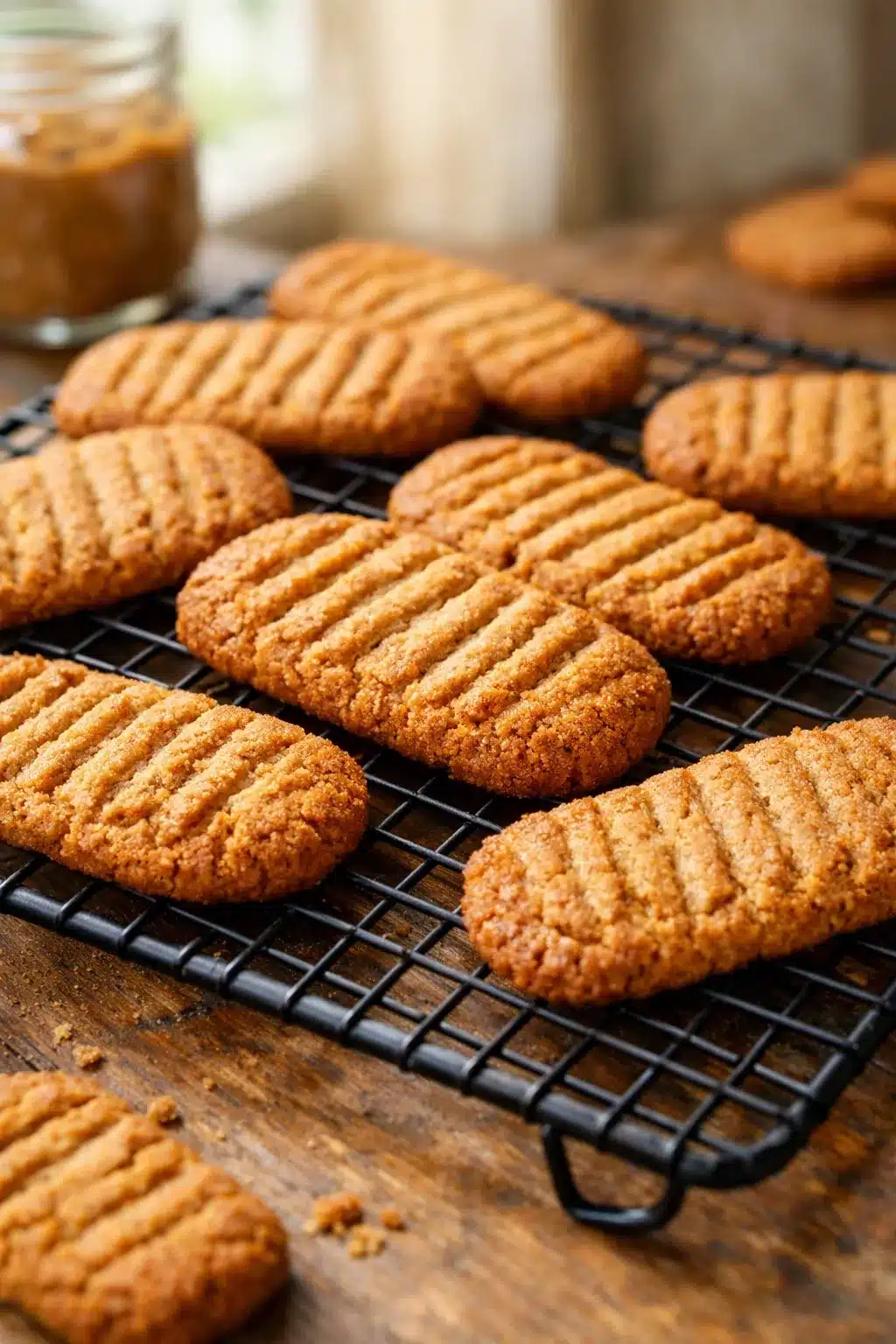
Slide an offset spatula under the dough to loosen it, then brush away excess flour. Using a fluted pastry wheel, cut into 3/4-inch strips, then cut across to make 2-inch rectangles. Transfer the cut cookies and any scraps to a parchment-lined half sheet pan, leaving 1 inch between pieces to allow for spreading.
Bake until golden brown, about 16 minutes, rotating the pan halfway through if needed for even browning. Let cool to room temperature directly on the baking sheet; they won’t become crisp until fully cool. Enjoy with coffee. Store leftovers in an airtight container at room temperature for up to 1 month. Scraps can be ground for crumbs and frozen in an airtight container for up to 3 months.
Tips, timing, and equipment
Prep time is about 35 minutes, active work roughly 25 minutes, and total time around 55 minutes. Bake time for the cut biscuits is about 16 minutes per sheet.
The recipe yields about 32 cookies. You’ll want a stand mixer, rolling pin, pastry brush, offset spatula, and two half sheet pans to make the process smooth. These tools help you roll, cut, and transfer the patterned rectangles cleanly without overworking the dough.
Nutrition facts
Servings: 32. Amount per serving: Calories 55, Total Fat 2g, Saturated Fat 1g, Cholesterol 6mg, Sodium 39mg, Total Carbohydrate 8g, Dietary Fiber 0g, Total Sugars 5g, Protein 1g. Vitamin C 0mg, Calcium 2mg, Iron 0mg, Potassium 7mg. % Daily Value: Total Fat 3%, Saturated Fat 7%, Cholesterol 2%, Sodium 2%, Total Carbohydrate 3%, Dietary Fiber 1%. Note that nutrition information is calculated using an ingredient database and should be considered an estimate.
Notes
This recipe depends on several specific ingredients for its signature flavor and texture. If you don’t have key items like candi sugar, kinako, or the precise spice mix, consider waiting or sourcing the ingredients; substitutions will change the distinctive speculoos profile. With each swap you make, expect some loss of the original depth and crispness that define a classic speculoos-style cookie.
Storage
Store finished cookies in an airtight container at room temperature for up to 1 month. Scraps can be ground into crumbs and frozen in an airtight container for up to 3 months for future use as crusts or toppings.
Related variations and uses
If you want to turn the viral yogurt cheesecake into a different flavor profile, explore layered or flavored adaptations like chocolate, matcha, coffee, or fruit-infused versions at Japanese yogurt cheesecake variations.
To transform the viral base into a higher-protein dessert without losing creaminess or taste, consider the tips and yogurt choices outlined at high-protein yogurt cheesecake guide.
FAQ
What kind of cookie makes the best cheesecake crust?
A dry, crisp, sturdy cookie that crushes into fine crumbs and holds together with butter (or binds well on its own). Classic choices are graham-style crumbs or digestive biscuits for a traditional ‘cheesecake’ taste. If you want a deeper caramel-spice flavor, speculoos-style cookies work well. Avoid very soft cake cookies because they don’t form a stable crumb base.
Which cookie is best for cheesecake?
For a classic cheesecake flavor: graham-style cookies or digestive biscuits. For a bold, spiced caramel profile: speculoos/Biscoff-style cookies. For a chocolate version: sturdy chocolate sandwich cookies work well. ‘Best’ depends on whether you want classic, spiced, or chocolate.
What are the best biscuits to use for cheesecake?
Digestive biscuits and graham-style biscuits are the most reliable and closest to traditional cheesecake crust flavor. Tea biscuits can work for a lighter, milder crust. Speculoos biscuits are great if you want warm spice and caramel notes. Choose biscuits that are dry and crisp rather than soft or coated.
What pairs well with a cheesecake?
Fruit (berries, cherries, citrus), fruit sauces/compotes, chocolate or cocoa, caramel, coffee/espresso flavors, vanilla, nuts, and warm spices (cinnamon). For contrast, something tangy (lemon, raspberry) or bitter (coffee, dark chocolate) balances richness well. For texture, crushed cookies, toasted nuts, or a thin chocolate drizzle work nicely.
Conclusion
Choose dry, sturdy cookies to turn thick yogurt into a cheesecake-like dessert speculoos, digestive, and graham-style biscuits top the list. Use tight packing, thick yogurt, and patient chilling for the best set and flavor.