
Gelatin substitutes can deliver silky puddings, glossy fruit gels, and bouncy treats without animal collagen. With the right plant based gelling agent, you can capture a delicate wobble, a clean slice, or a creamy spoonful. The key is learning how each option behaves in the pot and on the plate.
In this guide, you will compare agar, pectin, and carrageenan in practical kitchen terms. You will see how they set, where they shine, and how to pick the best fit for your dessert. We will also touch on agar agar vs gelatin, pectin vs gelatin, and carrageenan vs gelatin so you can match texture to intent.
Each substitute sets differently, and heat and acidity matter more than you might expect. You will weigh small amounts, simmer precisely, and pour at the right moment for a clean gel. If you want a refresher on what gelatin is and how it behaves, that primer helps you benchmark textures before you swap.
Table of Contents
Why Substitute Gelatin
There are many reasons to choose a vegetarian gelatin substitute. Some cooks want meat-free or fish-free ingredients. Others prefer a gel that stays firm at room temperature for events and buffets. You may also be chasing a specific mouthfeel that gelatin cannot deliver, like a crisp slice or a jammy set.
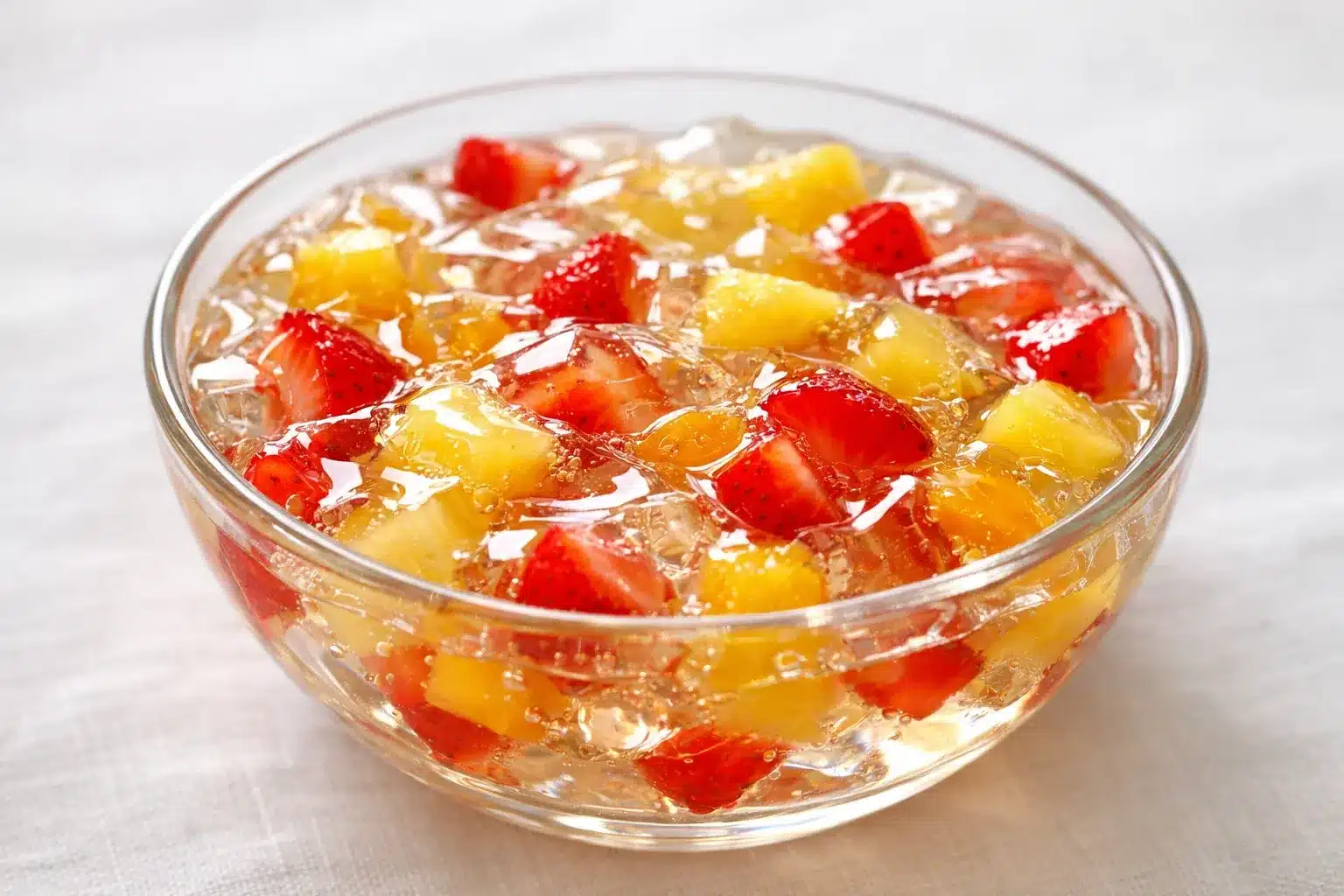
If labels steer your choices, it helps to understand sourcing. You can learn how manufacturers derive and label collagen by reading about gelatin sources before you shop.
Dietary and Texture Reasons
- Dietary needs: vegetarian, vegan, or certain religious diets may avoid animal collagen. A plant based gelling agent provides a clear path.
- Service temperature: agar holds at room temp, while gelatin softens easily. That matters for buffet tables and warm kitchens.
- Desired texture: agar slices clean and firm; pectin sets jammy; carrageenan creates dairy-forward wobble. Each feels different on the tongue.
- Recipe style: gummies, panna cotta, and marshmallows rely on gelatin’s elasticity. Recreating that exact bounce with another hydrocolloid is tricky.
- Clarity and sheen: agar gives brilliant, glassy fruit gels. Gelatin offers a softer shine. Pectin looks more like a preserve.
- Comparisons: agar agar vs gelatin is about firmness and melting point; pectin vs gelatin is about sugar and acidity; carrageenan vs gelatin is about dairy-friendly wobble.
Agar Agar
What It Is and Where It Comes From
Agar is a dried, hydrophilic polysaccharide extracted from red algae. It is often sold as powder, flakes, or bars. For a regulatory description of what food-grade agar-agar is, see the federal definition of agar-agar.
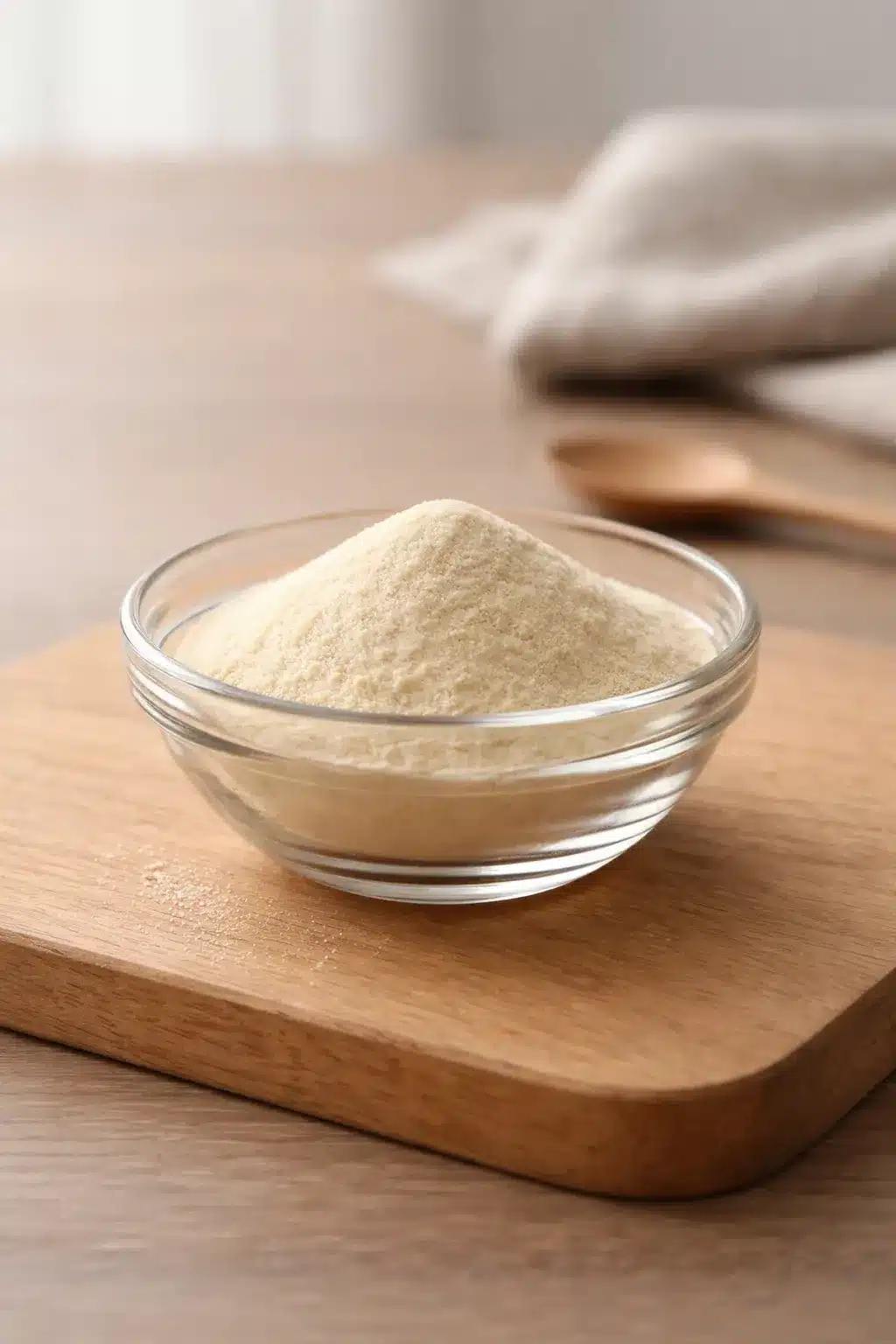
Think of agar as a clean, firm-setting gel with a high melting point. It sets as it cools to roughly 90 to 104 degrees Fahrenheit and does not melt until the gel approaches a full simmer. That means agar desserts stay stable on warm days and under buffet lights.
Texture and performance notes:
- Set and melt: sets around room temperature; remelts above about 185 degrees Fahrenheit when fully dissolved again.
- Mouthfeel: firm, crisp, and sliceable rather than springy. It snaps more than it stretches.
- Clarity: yields very clear, glassy gels, perfect for fruit terrines and layered jellies.
- Flavor release: firmer gels release flavor slightly slower than gelatin, so season assertively.
How to use agar well:
- Hydration: whisk agar powder into your liquid while cold, then bring to a full simmer. Boil gently for 1 to 2 minutes to hydrate fully.
- Pouring: pour promptly. Agar begins setting as it cools and can seize at the edges of a pan.
- Remelting: you can reheat an agar gel to fix bubbles or resets. Bring back to a simmer to dissolve, then pour again.
- Acidity: very sour liquids can weaken the set. Simmer agar in water first, then add the acidic juice off the heat to protect the gel.
- Typical usage: roughly 0.5% to 1.7% by weight of the total liquid, from tender to firm. Start small, taste, and adjust after a test batch.
Agar agar vs gelatin in a sentence: agar gives a firmer, more brittle gel that resists heat, while gelatin gives a soft, elastic gel that melts delicately on the tongue. Because these textures diverge, they are not 1:1 swaps. Follow recipes designed for agar rather than converting a gelatin formula blindly.
Pectin
Plant Polysaccharide from Fruit Sources
Pectin is a group of plant polysaccharides extracted from citrus peel, apple pomace, or beet pulp and used as stabilizers or thickeners. For details on permitted uses and identity, see the federal definition of pectins.
Pectin loves fruit. It forms a network that traps sugar and water to create a jammy, glossy set. Unlike gelatin, which produces elastic gels, pectin gels feel more like preserves. It excels in glazes, jams, fruit fillings, and fruit-forward confections.
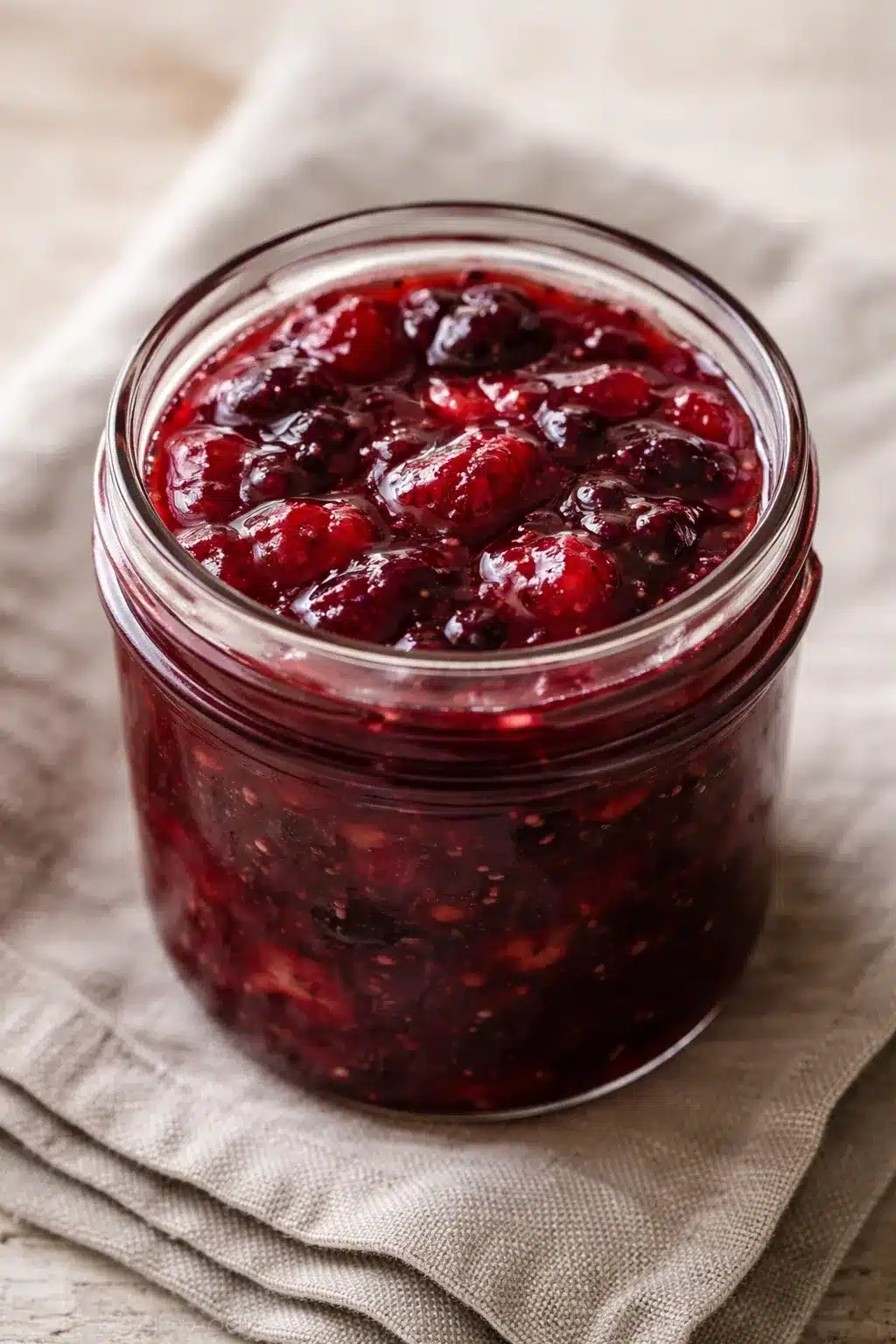
Know your pectin type:
- High-methoxyl (HM) pectin: sets in the presence of sugar and acid. It is classic for traditional jams and jellies.
- Low-methoxyl (LM) pectin: sets in the presence of calcium. It works for lower-sugar spreads and dairy applications.
- Amidated LM pectin: a form of LM that is a bit more tolerant and can be reset with calcium adjustments.
Key variables when using pectin:
- Sugar and acid: HM pectin needs adequate sugar and a pH near 2.8 to 3.5 to set properly. Taste your base and measure acidity if possible.
- Calcium: LM pectin needs calcium ions. Many recipes add calcium water or rely on the natural calcium in dairy.
- Dispersion: whisk pectin into sugar before adding to liquid to avoid clumps. Then bring to a rolling boil to activate.
- Boil time: boil for 1 to 2 minutes to set the network, then pour. Overcooking can thin the set.
Pectin vs gelatin in a sentence: pectin produces a jammy, spoonable set that shines with fruit, while gelatin creates a bouncy gel. Because the chemistry depends on sugar, acid, and ions, pectin cannot reliably replace gelatin one-for-one. It is best to follow a recipe written specifically for your pectin type.
Carrageenan
Seaweed-Derived Hydrocolloid
Carrageenan is a refined hydrocolloid extracted from red seaweed and used as an emulsifier, stabilizer, or thickener. For legal identity and conditions of use, see the FDA’s definition of carrageenan.
Carrageenan shines in dairy and many non-dairy milks. Different types create different textures, from a tender wobble to a pourable cream. It works beautifully in puddings, creamy gels, chocolate milk, and frozen dessert mixes where you want body and stability.
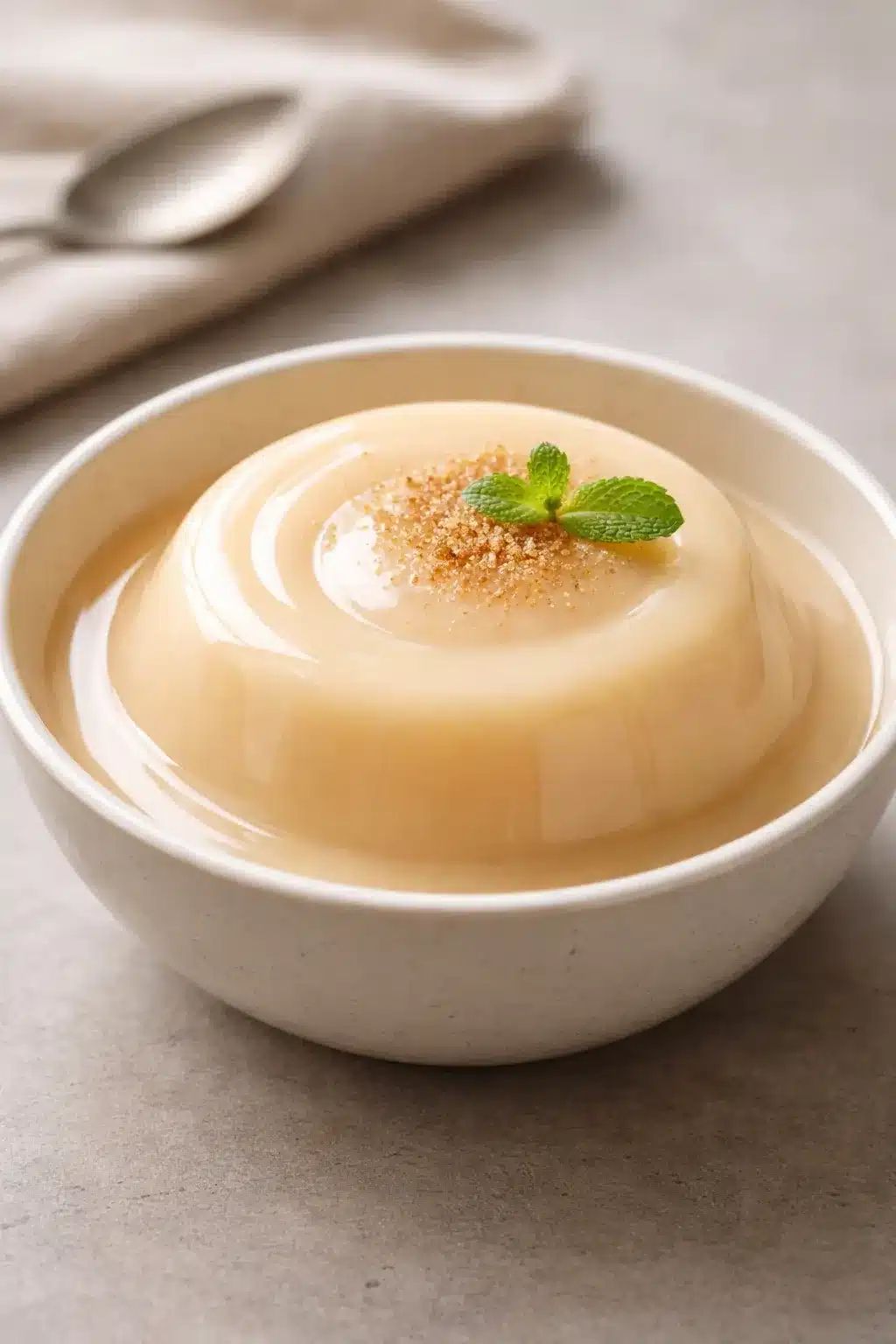
Know the main types:
- Kappa: forms firm, brittle gels, especially in the presence of potassium and dairy proteins. Great for sliceable dairy gels.
- Iota: forms soft, elastic, cohesive gels with calcium. Ideal for creamy, wobbly spoons.
- Lambda: thickens but does not gel. Use for silky, pourable textures in drinks and sauces.
Working tips for carrageenan:
- Hydration: disperse the powder evenly, then heat to roughly 160 to 176 degrees Fahrenheit for full hydration.
- Shear and blend: use a blender or vigorous whisking to avoid fish eyes. Proper dispersion is critical.
- Ions matter: potassium improves kappa gels; calcium strengthens iota gels. Dairy naturally contains ions that help.
- Typical usage: often 0.2% to 1% by weight, depending on the desired body and whether you combine types.
Carrageenan vs gelatin in a sentence: carrageenan gives creamy, cohesive gels and stable thickness, especially in milk, while gelatin gives springy, delicate gels. Because the setting mechanisms differ, it is not a 1:1 swap. Choose a carrageenan formula tailored to your base and target texture.
Choosing the Right Substitute
Start with your goal texture and serving temperature. Then consider sugar, acidity, fat, and any alcohol present. Finally, match the substitute that thrives under those conditions. The best vegetarian gelatin substitute is the one that fits the dessert you actually want to eat.
- Clear fruit cubes or layered jellies for neat slices: choose agar for a firm, glassy set that holds at room temperature.
- Glazes, jams, or fruit-forward fillings: choose HM pectin for traditional high-sugar sets; choose LM pectin when sugar is lower or dairy is involved.
- Creamy dairy gels and puddings: choose iota or kappa carrageenan for a soft wobble or sliceable set with milk.
- Buffet-friendly gels in warm rooms: choose agar for its high melting point and clean slices.
- Chewy fruit candies: use high-solids pectin formulas for a pleasant bite. Agar gives a firmer, more brittle chew.
- Plant-based panna cotta experiences: agar yields a firm, clean slice; carrageenan creates a creamier spoon-set. Decide which mouthfeel you prefer.
Not sure at a glance? It helps to sketch a quick comparison with three columns: source, function, and typical uses. That simple table makes it easy to spot whether agar, pectin, or carrageenan is the right fit for your plan.
Follow Recipe-Specific Instructions
Substitutes differ in chemistry, so they are not 1:1 swaps. Always follow a recipe designed for the substitute you choose. Weigh by grams, not teaspoons, because tiny percentage changes matter. Make a small test batch, take notes, then scale up when you love the texture.
Know the original goal before you convert. If you are adapting a classic panna cotta, marshmallow, or gummy, study ratios and textures in a solid guide to gelatin desserts first. Then choose the substitute that recreates the specific body and set you want, rather than forcing a direct trade.
FAQ
Is agar a substitute for gelatin?
Agar is a polysaccharide extracted from red algae and can replace gelatin, but it behaves differently and needs recipe-specific instructions.
Is pectin the same as gelatin?
No. Pectin is a plant polysaccharide used as a stabilizer or thickener in foods and does not behave the same as gelatin.
What is carrageenan used for?
Carrageenan is a seaweed-derived hydrocolloid used in foods as an emulsifier, stabilizer, or thickener.
Are these substitutes vegan?
Agar, pectin, and carrageenan are plant or seaweed derived, but always check labels for processing details.
Can I swap gelatin and agar one-for-one?
Not reliably. These ingredients set differently, so follow a recipe written for the substitute.
Conclusion
Gelatin substitutes are powerful tools, but each brings a distinct texture and method. Choose the agent that suits your dessert, and follow a recipe written for it. For ongoing ideas and gelled dessert inspiration, feel free to browse my Pinterest boards and save favorites for your next kitchen project.