
Gelatin desserts are creamy, jewel-bright, and delightfully jiggly, and they reward careful technique with silky textures and clean flavors. From cloud-light panna cotta to bouncy gummies and fluffy marshmallows, these set desserts deliver contrast and fun. You can unmold a showy centerpiece or spoon a soft, quivering cup after dinner. With a few ratio rules and temperature cues, your results will be consistent and impressive.
In this guide, you will learn the major dessert types, the difference between powdered and sheet gelatin, and why bloom strength matters. You will also master blooming and dissolving, understand the ratios for soft, medium, and firm sets, and avoid common pitfalls with fruit and heat. Then you will see make-ahead strategies, storage tips, and halal-friendly swaps. Finally, quick troubleshooting will help you fix issues fast and get back to serving beautiful gelatin dessert recipes with confidence.
Table of Contents
Gelatin Dessert Types
Gelatin desserts fall into four main families. Each family has a distinct texture, set level, and best use case. Once you recognize their differences, you can tweak ratios and temperatures with ease.
- Creamy sets – smooth, custard-like gels such as panna cotta and cream-based molds.
- Clear fruit gels and cups – translucent, brightly flavored jelly layers or little gelatin cups.
- Gummy candies – chewy, bouncy treats shaped in molds or cut into squares.
- Aerated gels – marshmallows and whipped gels that trap tiny bubbles for a springy bite.
Creamy sets showcase dairy richness and a soft wobble. Clear gels shine when you want vibrant color and a clean cut. Gummies hold their shape in lunch boxes. Marshmallows bring an airy chew. You can scale each style from soft spoonable cups to firm unmolded rings with the right ratio.
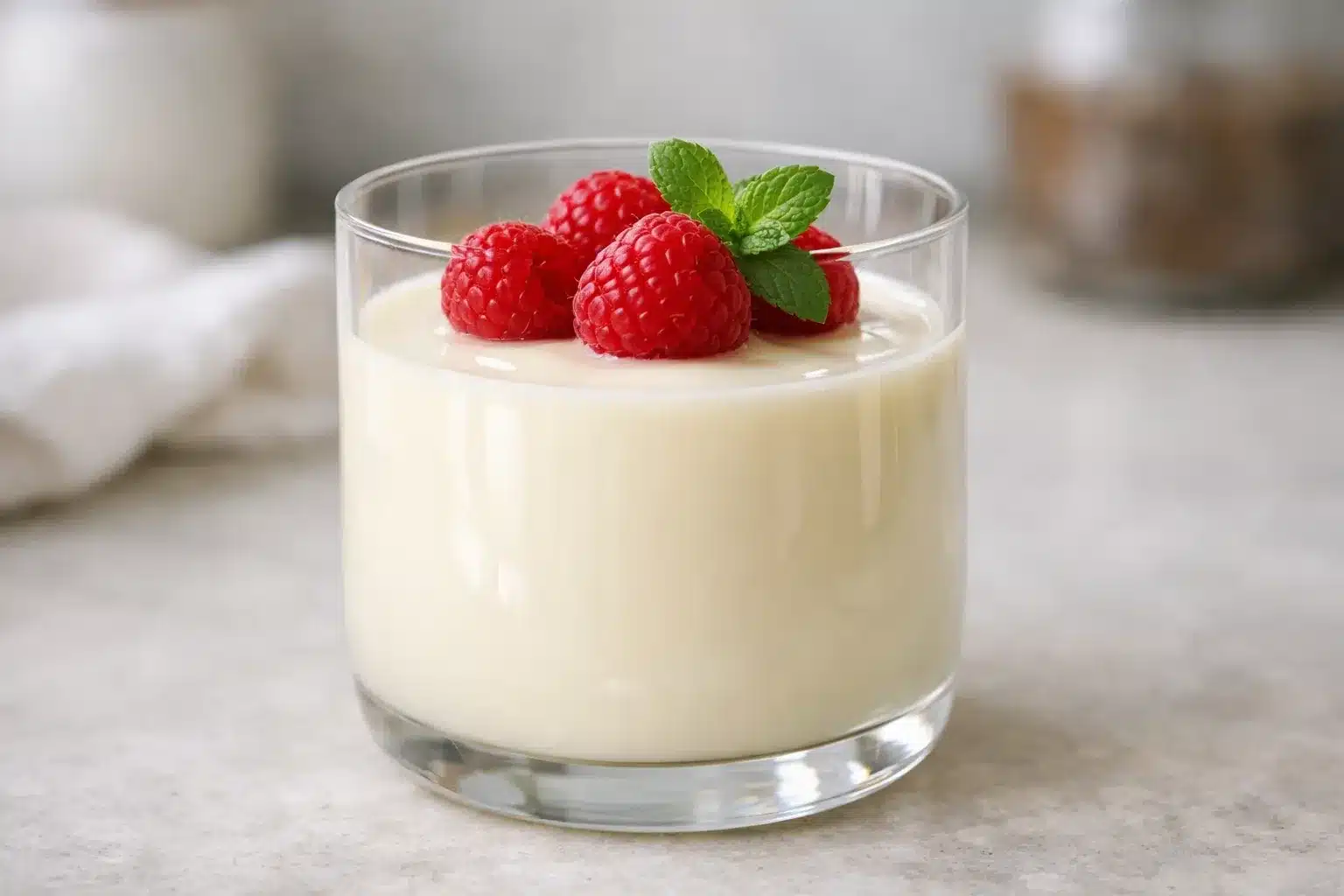
Creamy Sets (Panna Cotta)
Creamy sets combine gelatin with dairy or dairy alternatives, then set into a delicate jiggle. The result tastes silky, cool, and rich. These desserts should melt on your tongue, not squeak. They pair well with bright sauces, roasted fruit, or a dusting of cocoa.
For a classic template, try a reliable vanilla panna cotta. It uses a simple bloom step and a gentle warm-up to dissolve the gelatin. Then the mixture chills overnight for a calm, even set. You can unmold or serve in cups with berries.
If you prefer dairy-free or want a chocolate twist, a lush chocolate coconut panna cotta delivers. Coconut milk or cream brings body and tropical aroma. The chocolate adds depth and a soft, truffle-like finish, especially when the ratio targets a medium set for clean slices.
Success with creamy sets begins with low heat. You bloom the gelatin in cold liquid, then dissolve it gently. Avoid boiling, which weakens the gel and creates a grainy feel. Next, strain for a glossy finish. Finally, chill without jostling so bubbles rise and the surface sets smooth.
When you scale recipes, adjust the gelatin and liquid together. Then keep the same steps and temperatures. Your panna cotta recipe will behave predictably as long as you hold a steady ratio and a gentle heat.
Gummies and Candy Textures
Gummies rely on higher gelatin ratios and a syrup base. The chew should feel springy, not tough. The finish should be glossy, with a clean snap when you bite. Fruit flavors shine when balanced with enough sugar and acid.
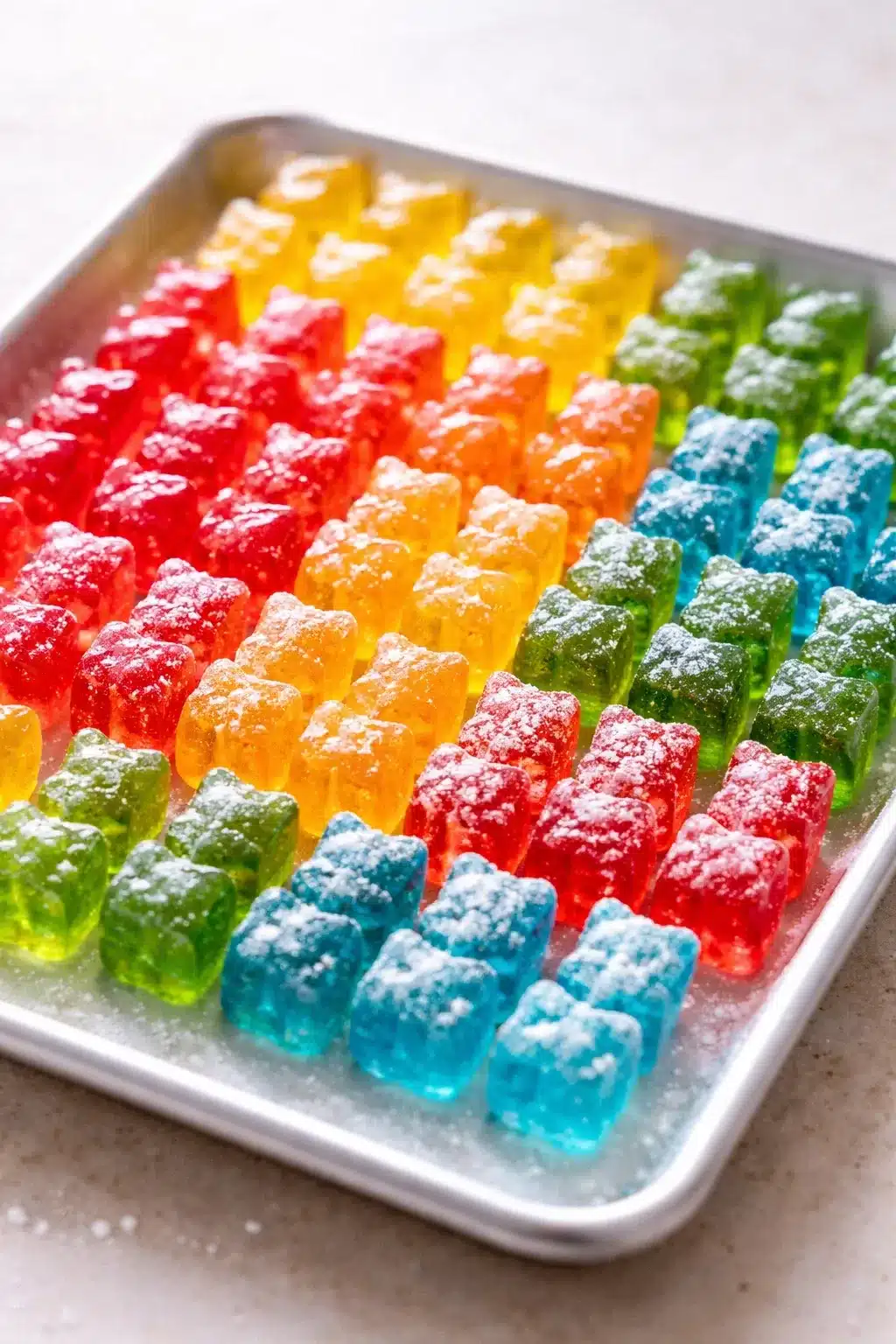
For a quick, family-friendly project, make homemade gummy bears. The stovetop dissolve is fast, and a short chill sets them. Use small molds for fun shapes, or pour into a tray and cut squares. Dust lightly with cornstarch to reduce sticking, and store cool.
To adjust chewiness, tweak the gelatin ratio and the glucose or sugar level. More gelatin yields a firmer bite. Slightly more sugar softens the chew and heightens fruitiness. Then a pinch of citric acid sharpens flavor and balances sweetness.
Work neatly and skim foam so the surface sets clear. If you see tiny bubbles, you can hit the pan with brief low heat and stir gently. Next, pour steadily down the side of the molds to trap fewer bubbles.
Marshmallows and Aerated Gels
Aerated gels trap air in a gelatin matrix, giving a featherlight chew. Marshmallows are the most famous example. Here, hydrated gelatin meets a hot sugar syrup, then you whip vigorously. The result sets into fluffy cubes that toast beautifully.
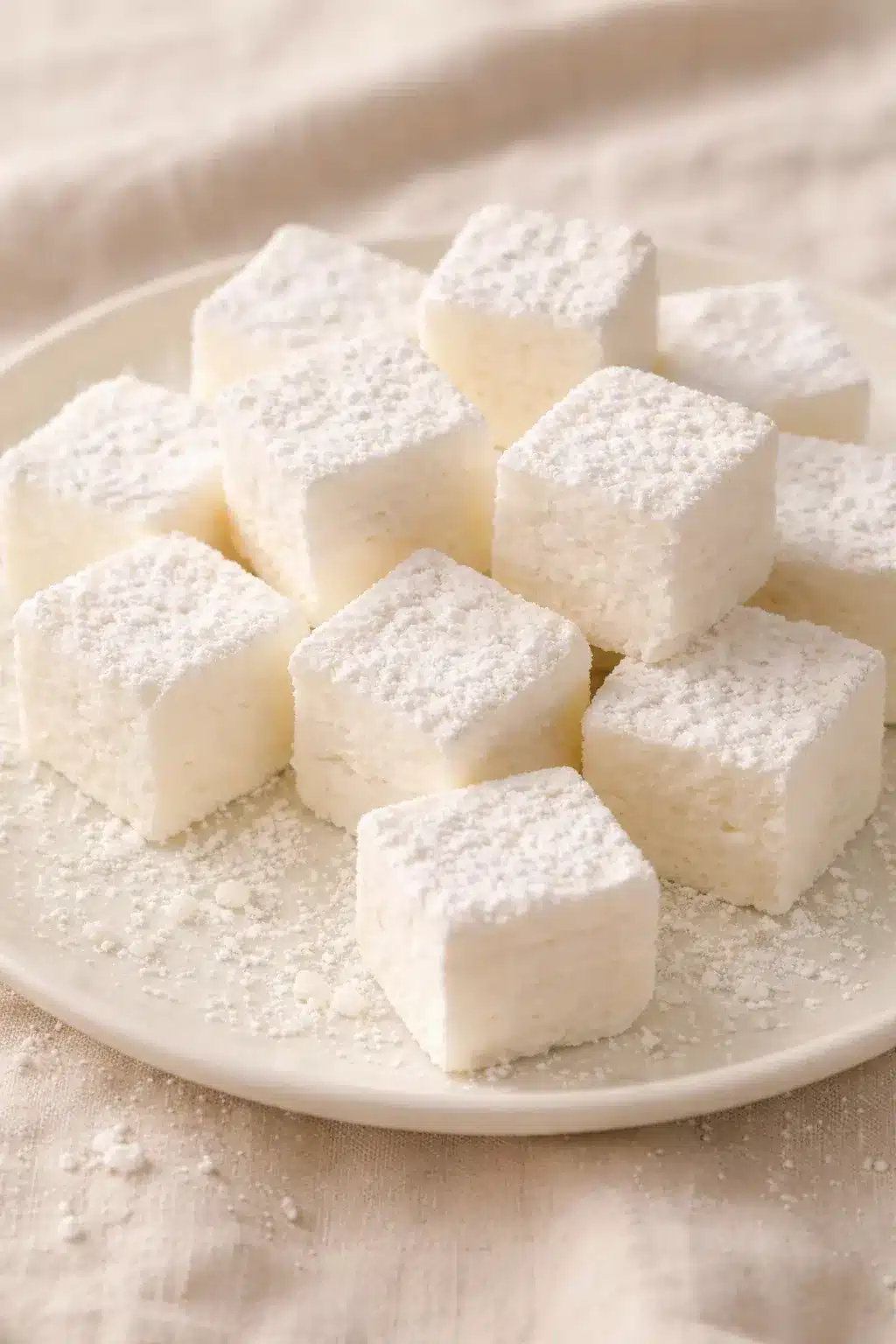
To nail the structure, cook the syrup to the right stage. Many home cooks aim for a firm-ball range around 240 F. Then you stream it carefully into bloomed gelatin while whipping. For a proven method, follow homemade marshmallows that mark the temperature target and setting steps.
Avoid over-whipping, which creates large bubbles and a crumbly bite. Also dust with starch to reduce stickiness. If you want flavor variations, fold in cocoa, freeze-dried fruit powder, or a swirl of caramel. Keep alcohol flavorings very light so the structure holds.
Fruit Gel Cups and Molded Desserts
Clear fruit gels show off color and clarity. They set into tidy slices for platters or soft spoonable cups for weeknight treats. You can layer two or three flavors in glasses for contrast and fun.
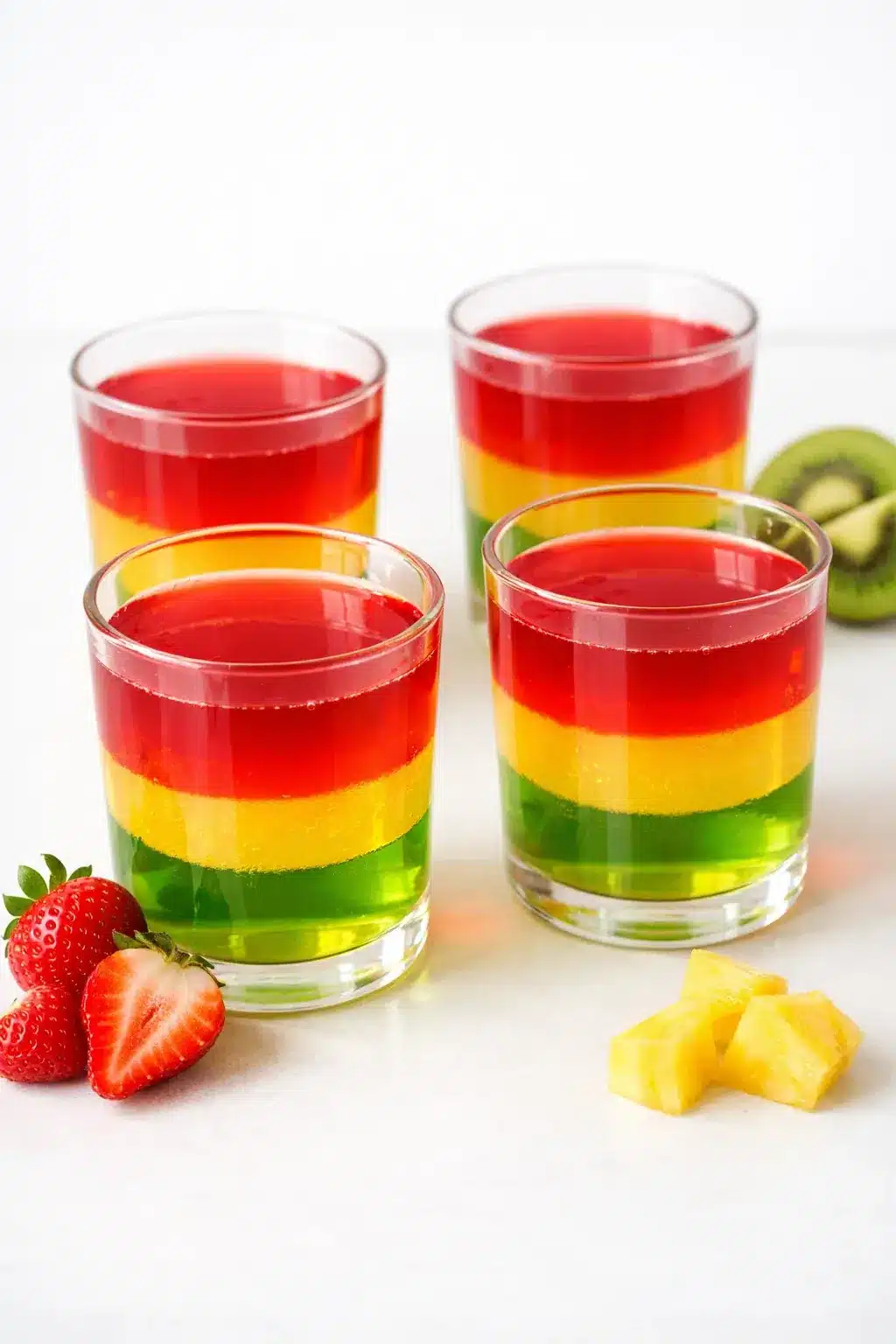
For easy entertaining, try fruit gelatin cups. Poached fruit keeps enzymes in check and avoids setting problems. A vanilla syrup rounds the flavors, and the cups chill quickly. You can scale the batch for gatherings without stress.
When you want a lighter twist, make layered gelatin yogurt parfaits. Cubed pomegranate gel contrasts with creamy Greek yogurt and fresh berries. The texture feels refined yet casual. These travel well and suit make-ahead meal plans.
For unmolded shapes, choose a medium to firm set and lightly oil the mold. Then wipe out the excess so the surface stays clear. After chilling, dip the mold briefly in warm water and invert. A sharp jiggle breaks the seal, and the dessert releases cleanly.
Choosing Gelatin (Powder vs Sheet, Bloom Strength)
Gelatin comes in two main forms: powdered granules and flexible sheets. Both are pure collagen protein that gels liquids when cooled. Sheets hydrate in cold water baths, while powder hydrates when sprinkled over a cold liquid. Either form can set a dessert with the right ratio and technique.
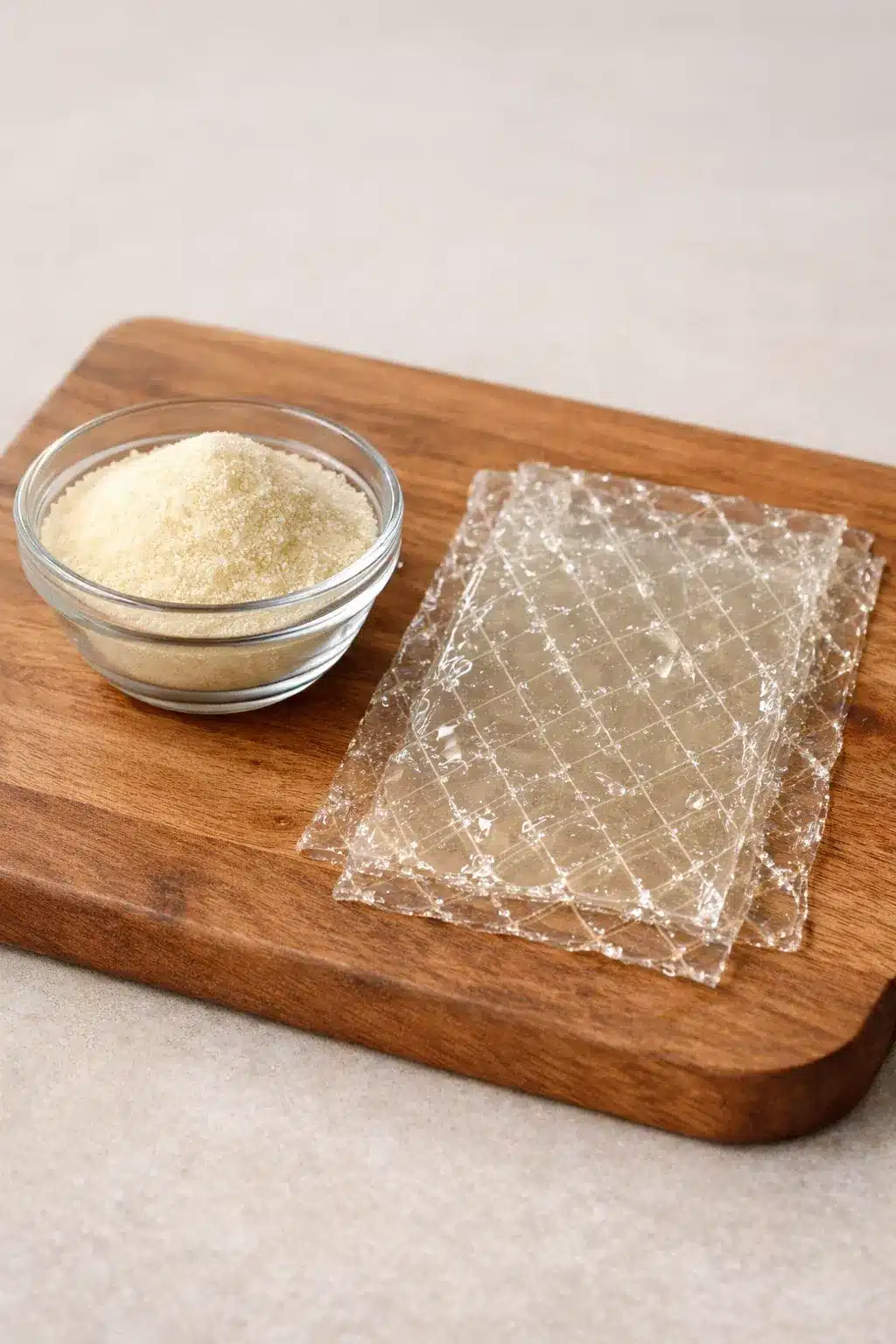
Powder is common in grocery stores and easy for small-batch cooking. Sheets are popular in pastry kitchens for consistent bloom strength and a clear finish. Both forms work beautifully for home cooks. You just need to measure by weight and bloom correctly.
Bloom strength describes the power of the gelatin. Higher bloom sets more firmly at the same weight. If you substitute a higher bloom, you often need less to reach the same texture. Learn more about forms and strength in our primer on gelatin basics.
If you switch between powder and sheet, match weights rather than volume. Then bloom each form properly and dissolve gently. Your dessert will set as expected when the total gelatin and liquid ratio stays balanced.
Blooming and Dissolving Basics
Blooming hydrates gelatin so it melts smoothly and sets clean. For powder, sprinkle it evenly over a cold liquid base. Let it stand until fully swollen. For sheets, soak in ice water until pliable, then squeeze out excess water.
After blooming, warm the mixture to dissolve the gelatin. Aim for gentle heat. Stir until the granules or sheets disappear. Do not boil. High heat can weaken the gel and create a grainy, weeping texture. If you are new to the process, bookmark the step-by-step how to bloom gelatin guide for temperatures and clump prevention.
Next, combine the dissolved gelatin with the rest of your base. Strain if you want a glossy, bubble-free finish. Then divide into cups or molds. Finally, chill undisturbed until fully set.
Work in stages for layered desserts. Let each layer partially set, then pour the next slowly over the back of a spoon. This protects the surface and preserves clean lines. Keep everything slightly warm but not hot to avoid melting previous layers.
Ratios for Soft, Medium, and Firm Sets
Ratios determine the final texture more than any other factor. A spoonable panna cotta needs less gelatin than an unmolded ring. Gummies need much more for a bouncy chew. Marshmallows use gelatin differently because air plays a role, yet ratio still matters.
Think in terms of liquid volume and total gelatin weight. Then decide your target: soft, medium, or firm. Soft sets wobble and melt readily. Medium sets slice cleanly and hold shape on a plate. Firm sets unmold or ship well without slumping.
Bloom strength affects the number too. A higher bloom needs less weight to reach the same firmness. This is why professional recipes specify exact gram amounts and bloom ratings. For home cooking, consistent measurement fixes most issues.
For precise conversions across powdered and sheet types, use our practical gelatin ratio guide. It maps soft, medium, and firm sets for 500 ml liquid, with equivalent weights for powder and leaf. Follow those ranges, and you will hit your target texture every time.
When you scale a recipe, keep the proportion constant. Double the liquid and double the gelatin. Then check bloom strength. A small adjustment may be needed if your brand differs from the original formula.
Flavor Interactions and Common Pitfalls
Some ingredients play nicely with gelatin, while others fight the set. Sugar softens texture yet adds body and balances acidity. Dairy fat smooths mouthfeel and masks bitterness. Acids such as lemon sharpen flavors but can lighten the set if heavy-handed.
Raw pineapple, kiwi, papaya, and fresh figs carry proteolytic enzymes that break gelatin’s structure. They can stop your dessert from setting at all. Cooking or canning neutralizes these enzymes. For the science behind this interaction, review why raw fruit blocks gelatin and how heating solves it.
Alcohol can weaken gels if used freely. Keep spirits low and use flavorful liqueurs sparingly. You can also fold in a small amount of alcohol after dissolving the gelatin, then balance with syrup for body. Chill longer if the mixture includes alcohol.
Strongly bitter cocoa or coffee may taste harsh in very firm gels. Add a touch more sugar or a dash of salt to round edges. Then choose a medium set so the flavor can bloom on the palate.
For clear layers, skim foam and strain before pouring. Pour down a tilted glass or over a spoon to reduce bubbles. If you trap bubbles, tap the mold lightly and let it rest before the fridge. Tiny bubbles often rise and release during a short wait.
Finally, mind the mold. Decorative gelatin molds look striking, but deep, narrow shapes set slower in the center. Use a cooler fridge and extra time. Lightly oil complicated designs for a cleaner release and a glossy finish.
Make-Ahead, Chilling, and Storage
Most gelatin desserts need time to set. Plan for at least 4 hours in the fridge for a full gel. Overnight is even better for a smooth, even texture. Keep the desserts level and avoid shaking the fridge shelf during the first hour.
Cover desserts once they cool to room temperature. This prevents fridge odors and surface drying. For clarity, chill cups uncovered for 15 minutes to firm the surface, then cover to finish setting. Label with the date so you track freshness easily.
For food safety, follow the USDA leftover rules. Most prepared desserts keep 3 to 4 days in the refrigerator. After that, quality declines and risk increases. Serve chilled and return leftovers promptly to keep temperatures safe.
For handling and best practices tailored to gelatin, check our gelatin storage guidance. You will find tips for covering, transporting, and serving at safe temps. Freezing is not recommended because thawing causes syneresis and a grainy bite.
If you need to hold desserts longer than 4 days, make components ahead. You can chill fruit purees, sauces, or infused cream for a few days. Then bloom and set the final dessert closer to serving for the best texture.
Halal-Friendly Ingredient Choices
Halal-friendly gelatin desserts start with the right gelatin source. Choose halal-certified, beef, or fish gelatin from a trusted supplier. Read labels for processing details and certification. Consistency across batches helps you hit the same set every time.
Use alcohol-free vanilla or real vanilla beans for a fragrant finish. Citrus zests, cardamom pods, and cinnamon sticks infuse flavor beautifully. If a recipe calls for liqueur, swap in a concentrated syrup or a reduction of fruit juice instead.
If you need vegetarian options for guests, consider alternatives like agar, pectin, or carrageenan. Each sets differently from gelatin and needs tailored ratios and methods. Review our overview of gelatin substitutes to match the right gelling agent to your dessert style.
When you adapt classic panna cotta or gelatin cups, test a small batch first. Taste and texture vary by brand, especially with fish gelatin and agar. Adjust sweeteners and acid levels, then scale up when the texture feels right.
Troubleshooting Quick Fixes
Even careful cooks hit occasional snags. The good news is that many errors are reversible. Use gentle heat and patience, and most textures can be rescued.
- Clumps after blooming – warm gently and whisk to dissolve. Strain if needed for a smooth finish.
- Weak set – check your ratio and bloom strength. Re-melt with a small amount of extra gelatin if safe and practical.
- Grainy or weeping gel – avoid boiling. Use low heat, then chill undisturbed for at least 4 hours.
- Fruit won’t set – use cooked or canned fruit when working with pineapple, kiwi, papaya, or figs.
- Layer separation – let each layer partially set. Pour the next slowly at a similar temperature.
- Sticking to molds – lightly oil intricate designs and wipe out the excess. Unmold with a warm dip.
For more causes and fixes, keep our concise gelatin troubleshooting guide handy. It flags the usual suspects and offers quick, practical solutions you can use mid-recipe.
FAQ
How long do gelatin desserts need to set?
Most gelatin desserts need at least 4 hours to chill and set; overnight chilling gives a firmer, more even texture.
Why do some fruits stop gelatin from setting?
Raw pineapple, kiwi, papaya, and figs contain enzymes that break down gelatin; cook the fruit or use canned versions instead.
Can I use sheet gelatin instead of powdered?
Yes. Use equivalent weights and bloom sheets in cold water before dissolving.
What is bloom strength and why does it matter?
Bloom strength describes gelatin strength; higher bloom sets more firmly and can change texture and ratios.
How long do gelatin desserts last in the fridge?
Keep gelatin desserts covered and refrigerated; most are best within 3 to 4 days for quality and safety.
Can I freeze gelatin desserts?
Freezing is not recommended because thawing can cause weeping and a grainy texture.
Is gelatin halal?
Choose halal-certified gelatin or beef/fish gelatin and use alcohol-free flavorings when needed.
What are good vegetarian substitutes for gelatin?
Agar, pectin, and carrageenan can set desserts, but they behave differently from gelatin and need recipe-specific ratios.
Conclusion
With smart ratios, gentle heat, and a patient chill, gelatin desserts become reliable, crowd-pleasing treats. Start with one style, master the texture, and then explore layers, molds, and new flavors. For ongoing inspiration and step-by-step ideas, browse more dessert ideas on Pinterest and keep your fridge stocked for delicious make-ahead sweets.