
Gelatin storage is the key to keeping your desserts bouncy, glossy, and safe to eat. When you cool and hold gelatin the right way, it keeps a clean bite and a delicate wobble. Handle it poorly, and you risk weeping layers, off odors, or even foodborne illness. With a few habits and a thermometer, you will protect both flavor and texture.
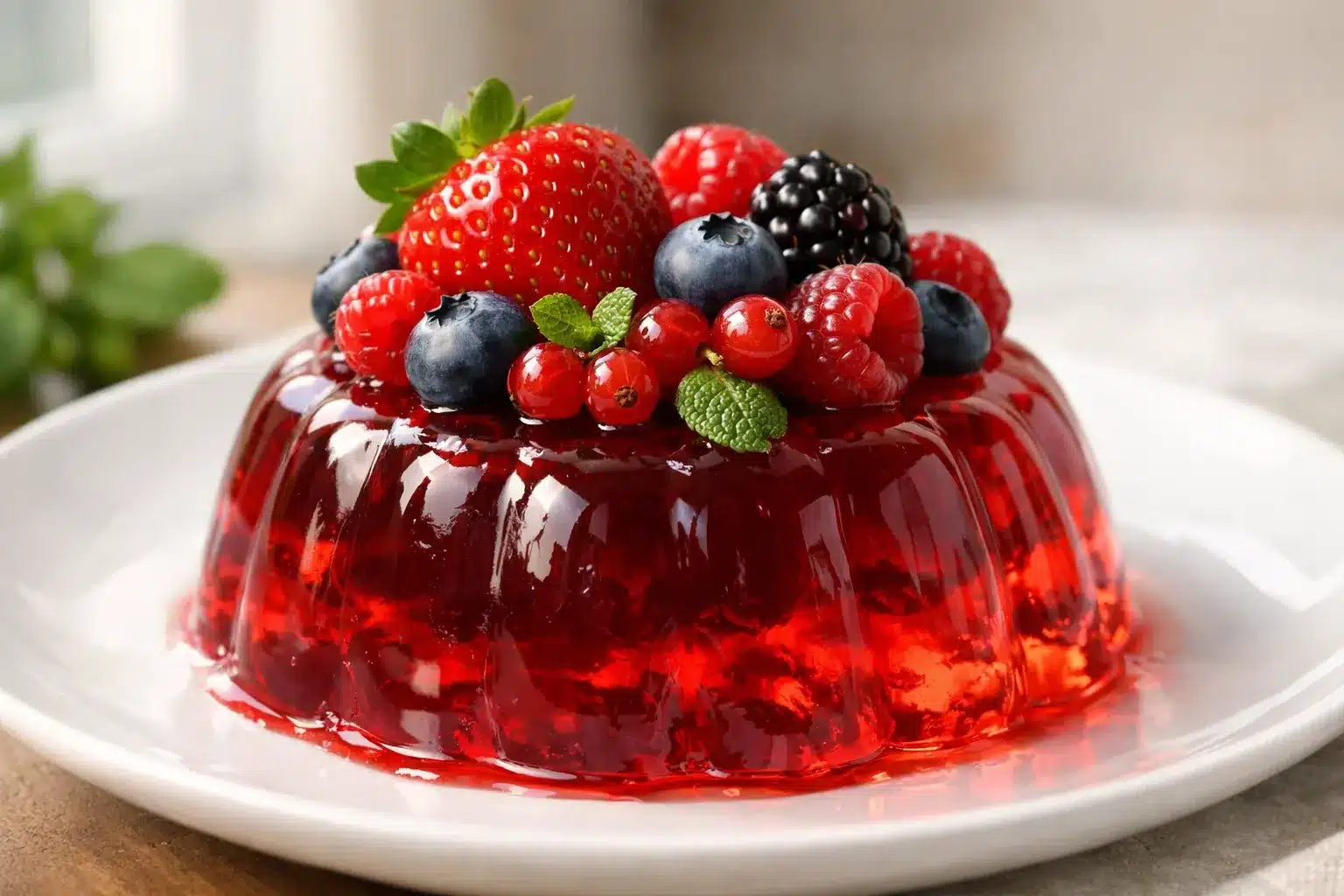
In this guide, you will learn practical rules that home cooks actually use. We will cover the USDA danger zone, the two-hour rule, and when one hour applies. You will also get fridge and freezer timelines, container tips, and a simple storage checklist. By the end, you will know exactly how long to keep treats and how to chill them fast without guesswork.
Table of Contents
Why Storage Rules Matter
Gelatin desserts are high in moisture, and many include dairy or fresh fruit. That makes them perishable. Good storage preserves the springy set and protects against bacteria that love warm, wet food. Smart gelatin dessert storage also prevents flavor transfer from the fridge and stops sticky skins on top.
If you are new to gelatin or want a refresher on how it sets, see our primer on what is gelatin. Understanding bloom strength and proper dissolving helps you avoid grainy gels and sets you up for safer chilling.
Storage affects quality as much as safety. Sugar binds water and can slow weeping, while high acidity may soften the set over time. Dairy adds richness but raises risk if the dessert warms up too long. Gentle, consistent cold keeps the texture creamy, the edges clean, and the flavors bright.
Fruit choices matter, too. Raw pineapple, kiwi, papaya, and fresh figs have enzymes that break down gelatin. Even in the fridge, those enzymes can loosen the gel and cause pooling. Use canned versions or cook the fruit first if you want a firm, long-lasting set.
Air exposure can dull flavors and create a rubbery film. So cover the surface directly when possible. Then add a tight lid to block odors from onions, garlic, or fish. You will taste the difference after a day or two in the fridge.
The Danger Zone
The danger zone is 40 F to 140 F. In this range, bacteria multiply quickly. Keep desserts out of this range as much as possible, especially after serving. Move leftovers to the fridge promptly, and avoid letting trays linger on the counter.
For a deeper explanation, review the USDA danger zone guidance. Then set your refrigerator to 40 F or below to stay on the safe side. A simple fridge thermometer offers peace of mind and helps you verify the reading.
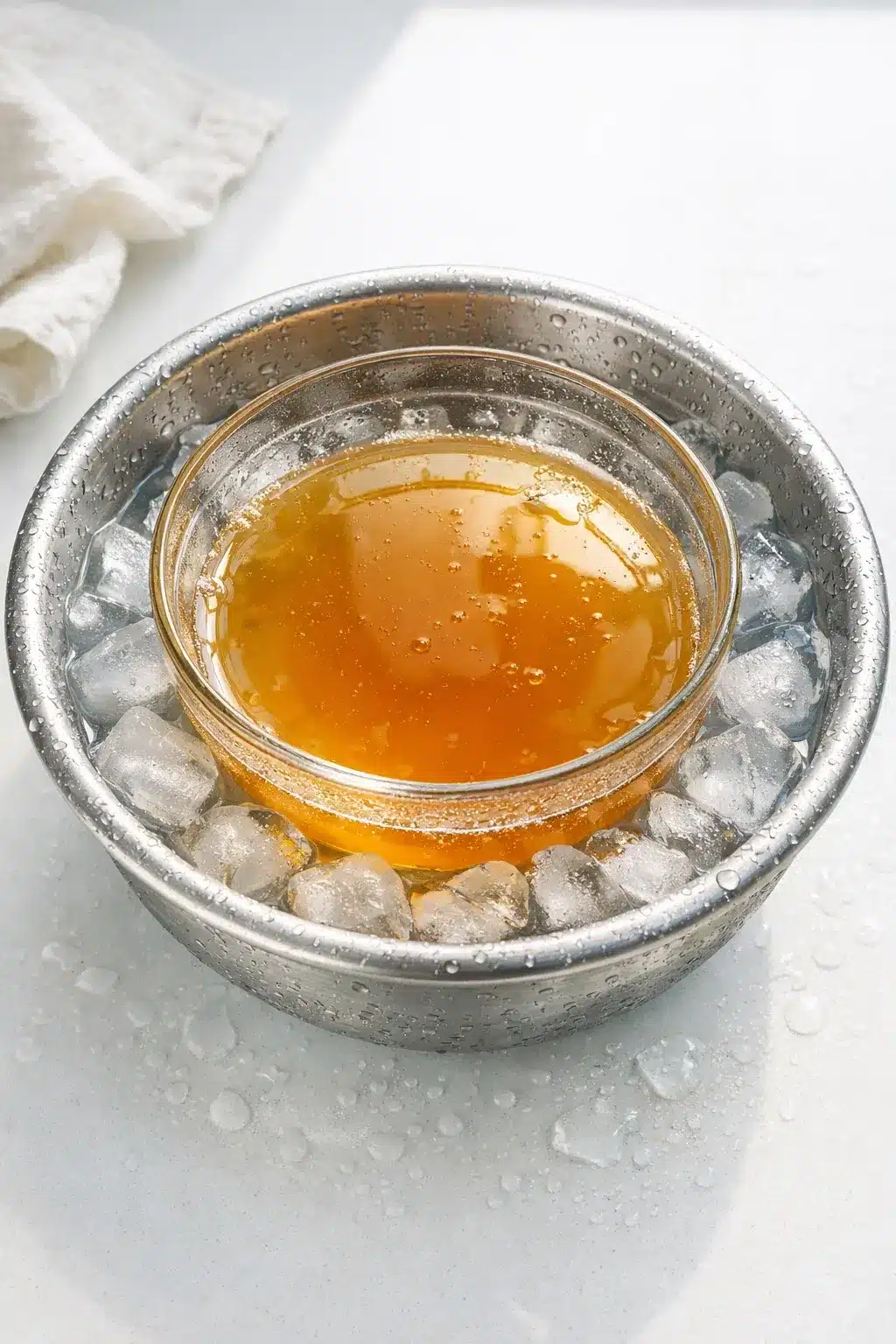
Cooling strategy matters from the moment your mixture is warm. First, reduce the temperature quickly using an ice bath. Set the bowl in ice water, then stir until the outside feels cool. Next, portion into shallow containers so the center chills faster.
Also manage airflow in the fridge. Do not pack warm containers tightly together. Leave space around cups so cold air can circulate. Then place them on a shelf, not the door, which warms each time you open it.
Finally, protect from cross contamination. Keep gelatin desserts away from raw meats and drippy packages. Use clean spoons for scooping, and cover leftovers again right after serving.
The Two-Hour Rule
Follow the two-hour rule for perishable foods. Once your gelatin leaves the fridge and sits at room temperature, the clock starts. Within two hours, either serve it chilled again or refrigerate it. This is one of the most important leftover storage rules for home cooks to remember.
Plan ahead when entertaining. Pre-chill serving bowls, and put a sheet pan of ice under platters for longer displays. Divide big batches into smaller trays so you can rotate fresh, cold portions while others are on the table.
Think of time as cumulative. If your panna cotta sits out for 45 minutes during plating, that time counts. Later, if it spends another hour on the buffet, you are at one hour and 45 minutes. Move it back to the fridge before you pass two hours total.
When possible, transport in an insulated cooler. Pack with frozen gel packs and a small thermometer. Then move portions to the table in small waves, keeping the rest cold in the cooler.
Unfinished portions should return to the fridge quickly. Cover tightly to prevent odor pickup. Then place them on a cold shelf, not the door rack.
One Hour Above 90 F
Heat speeds everything up. If the room or outdoor temperature is above 90 F, the two-hour rule shortens to one hour. This matters during summer picnics, pool parties, and hot kitchens. Keep gelatin on ice, and swap in new portions often.
Set up a cold buffet line. Nest your serving dish in a larger pan filled with ice and a splash of water. Replace the ice as it melts. Rotate smaller containers so each spends less time in the heat. Then return finished trays to the fridge promptly.
Shade and insulation help outdoors. Keep desserts under a canopy, and store backups in a cooler with plenty of ice packs. Open the cooler briefly and close it right away. Assign someone to watch the time so you do not exceed that one-hour window.
Consider portion control for hot days. Small cups warm more slowly than a large slab exposed to the sun. Serve chilled spoons and plates to keep the first bites cool and pleasant.
Refrigerator Storage Time
Most gelatin desserts keep well in the refrigerator for several days when stored properly. Use clean utensils, cover the surface, and keep the fridge at or below 40 F. These small habits protect quality and keep the texture smooth and springy.
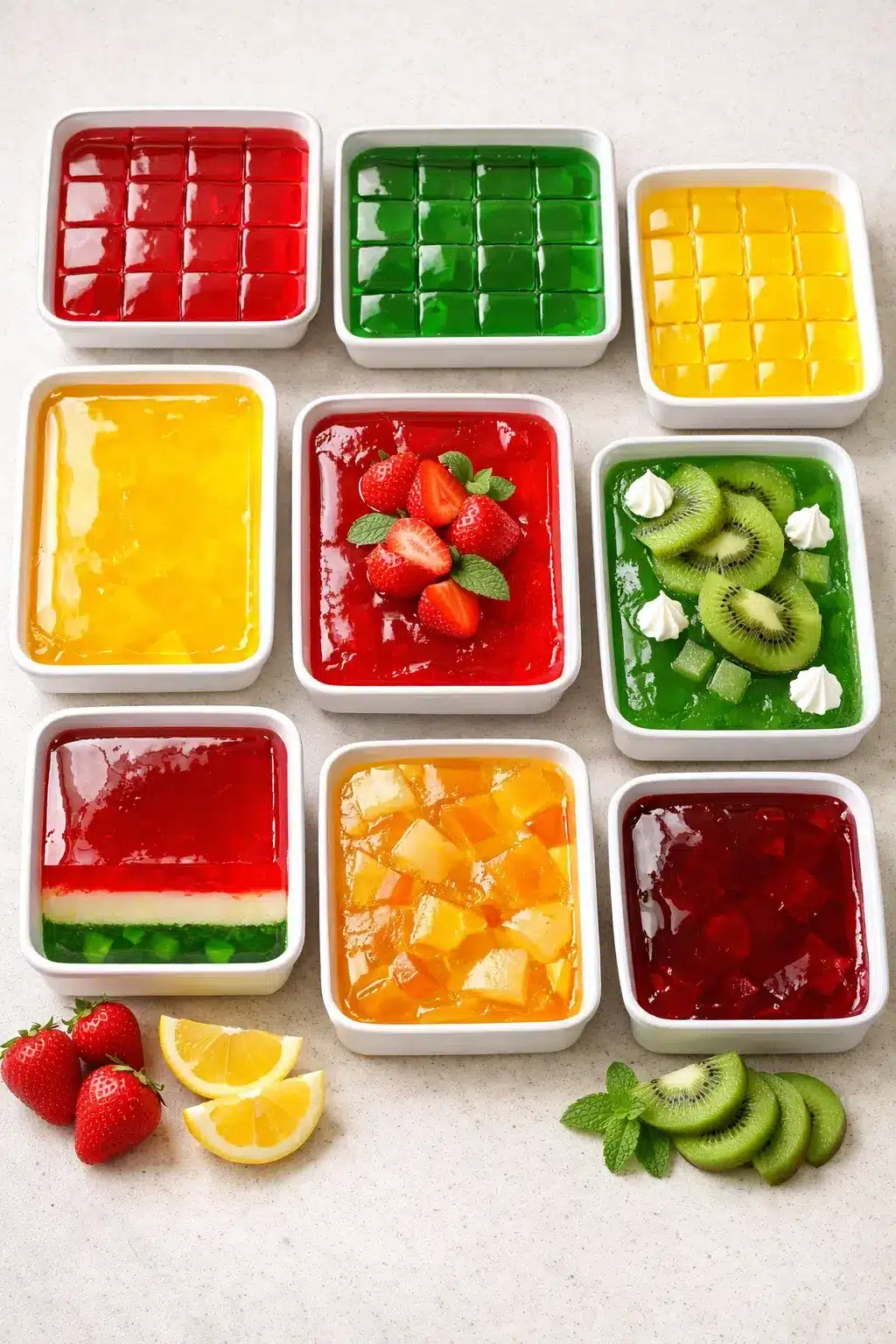
How long does gelatin last? For best safety, think in days, not weeks. If your dessert includes dairy, eggs, or fresh fruit, it behaves like any other perishable. Keep your gelatin fridge life short, and enjoy it while it tastes freshest.
Dessert style affects the window. Plain, firm fruit gels often feel stable for a little longer. But dairy-forward panna cotta, cream pies, and trifles are more delicate. Aim to eat those within the recommended timeframe, when the set is silky and the flavor is bright.
Placement matters inside the fridge. Store gelatin on a middle or lower shelf where the temperature is steady. Avoid cramming warm leftovers next to your cups, which can nudge the temperature upward.
Surface protection extends quality. Press plastic wrap directly onto custard-like surfaces to block a rubbery film. Then add a lid to guard against splashes and odors. You will notice less condensation and fewer sticky edges.
The 3 to 4 Day Guideline
USDA guidance for leftovers is a helpful benchmark. Most cooked foods are fine in the refrigerator for 3 to 4 days, and that window fits gelatin desserts with dairy or fruit, too. When in doubt, discard early rather than late.
For official timelines and reminders, see the USDA leftover storage times. Store desserts covered to block odors from onions or fish, which can seep into gelatin. Label containers with the date so you know when to enjoy them.
Trust your senses but not over them. If you notice pooling liquid, an alcoholic odor, or a sour note, toss it. Surface mold or fruit that looks slick means it is time to let it go.
Plan serving sizes to minimize waste. Spoon only what you need into bowls. Keep the main container cold, and top individual portions with fruit or whipped cream at the last minute. That way, leftovers stay cleaner and last closer to the full 3 to 4 days.
Remember alcohol does not make food immortal. Jello shots still follow the same food safety window. Store them covered, keep them cold, and use them within that 3 to 4 day guideline.
Freezer Storage Time
Freezing is safe for gelatin desserts, but the texture can change. Some gels weep after thawing, and dairy-based panna cotta may become grainy. If you freeze, do it for convenience and not for a party-perfect finish.
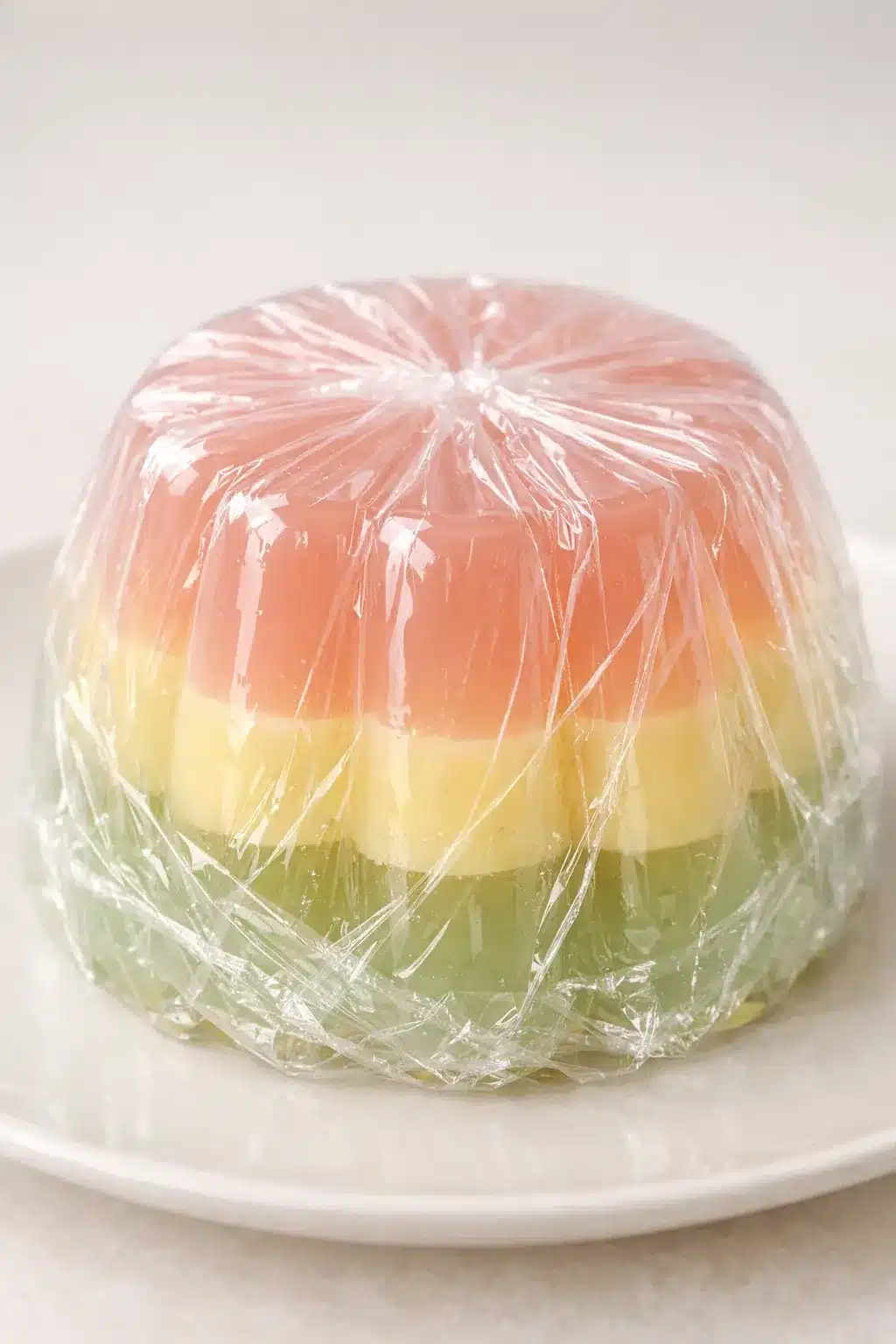
Freeze plain gels or simple fruit gels for the best results. Avoid whipped cream toppings or fresh fruit on top. Instead, freeze the base and add garnishes after thawing. Always thaw in the refrigerator, never at room temperature.
Prep smart for the freezer. Chill the dessert fully in the fridge first so the gel is firm. Then wrap the surface to prevent ice crystals and add a second layer for protection. Label clearly with the dessert name and date.
Shape and size matter for freezing. Thin layers freeze and thaw more evenly than deep blocks. Individual cups work better than family-sized pans. Leave a little headspace in rigid containers to allow for expansion.
Thawing takes time in the fridge. Plan on several hours, or even overnight for large containers. Set cups on a tray to catch condensation. If you notice weeping after thawing, blot gently and add fresh fruit just before serving.
Best Quality 2 to 6 Months
For quality, aim to use frozen gelatin within 2 to 6 months. Frozen food stays safe longer, but flavor and texture slowly fade. Wrap tightly and squeeze out extra air to limit ice crystals and freezer burn. Label each container with the date.
Curious which styles freeze better or fit your menu? Explore techniques and inspiration in our guide to gelatin desserts. You will see which ratios make firmer, freezer-friendlier treats, and which are best enjoyed fresh.
Consider portioning before freezing. Small cups thaw quickly and reduce waste. You can remove only what you need for a small snack, then keep the rest frozen for later.
Skip freezing for fragile toppings. Meringue, whipped cream, and delicate fruit often collapse after thawing. Add them fresh so the texture stays light and the look stays clean.
Cooling Containers and Packaging
Container choice shapes both safety and texture. Use shallow, covered containers so desserts cool quickly and stay protected. Press plastic wrap directly on the surface of puddings and panna cotta to prevent a rubbery skin and flavor pickup.
Glass or sturdy plastic both work. Glass chills evenly and resists odors. Plastic is lighter and safer for outdoor events. Choose a tight-fitting lid, and keep containers off the warm stove or dishwasher vent so they stay cold.
When serving, scoop with a clean utensil and return the rest to the fridge. Never top a shared bowl with crumbs or fruit and then store it. Instead, garnish individual portions just before serving.
Think about thickness when you pour. Aim for layers about 1 inch deep for fast chilling. If you need a tall mold for looks, cool it in stages, adding layers after each one sets.
Pre-chill molds and cups for an extra head start. A cold mold firms the outside quickly, which helps the center chill faster. Then add a cover as soon as the surface firms up.
Why Shallow Containers Help
Shallow containers offer more surface area, so heat escapes faster. The center cools quickly, keeping food out of the danger zone. A deep container stays warm in the middle longer, which increases risk. Thin layers win for both food safety and texture.
Use a rimmed sheet pan to carry several small cups at once and to catch drips. If your dessert is still warm from dissolving the gelatin, rest the bowl in an ice bath and stir until it drops below room temperature. Then transfer it to shallow containers and refrigerate.
- Chill fast: refrigerate within 2 hours, or within 1 hour above 90 F.
- Keep cold: set the fridge at 40 F or below with a thermometer.
- Choose shallow, covered containers for quick cooling.
- Label and date; aim to use within 3 to 4 days.
- For longer storage, freeze for best quality within 2 to 6 months.
- Thaw in the fridge, never on the counter.
- Keep desserts away from raw meats and strong-smelling foods.
- Use clean utensils, and return leftovers to the fridge promptly.
- Pre-chill molds and serving dishes to extend chill time on the table.
- Rotate small batches on ice for parties and outdoor events.
- Cover surfaces directly to prevent a rubbery film and odor pickup.
FAQ
How long do gelatin desserts last in the fridge?
USDA guidance says most leftovers keep about 3 to 4 days in the refrigerator.
How fast should I refrigerate gelatin desserts?
Per USDA guidance, refrigerate perishable foods within 2 hours, or within 1 hour if the temperature is above 90 F.
What is the danger zone?
The danger zone is 40 F to 140 F, where bacteria grow rapidly.
Can gelatin desserts be frozen?
Frozen storage is safe. USDA guidance suggests best quality within 2 to 6 months.
Why use shallow containers?
Shallow containers cool food faster, keeping it out of the danger zone.
Conclusion
Store gelatin like a pro by chilling fast, keeping it below 40 F, and enjoying within 3 to 4 days. Freeze for convenience and use within a few months for best quality. For fresh ideas and serving inspo, follow our dessert boards on Pinterest and keep your gelatin desserts safe, springy, and delicious.