
Gelatin troubleshooting turns weepy, sloshy desserts into silky, clean-slicing treats. With a few smart moves, you can rescue mousse, panna cotta, or fruit gels and get that tender wobble back. You will avoid gritty bites, random gelatin clumps, and the dreaded puddle at serving time.
In the next sections, you will pinpoint the real cause, then apply the simplest fix. We will cover blooming, dissolving, tempering, and chilling, plus the common traps that cause gelatin not setting. You will learn how overheating, fruit enzymes, and the freezer affect texture and set.
Expect clear ratios, target temperatures, and a quick checklist you can run during prep. Keep a small thermometer handy, and work calmly. With the right order and a little patience, your gel will set cleanly and slice like a dream.
Table of Contents
Why Gelatin Fails
Most failures trace to four habits: skipping the bloom, overheating, incorrect ratios, and rushing chill time. Temperature mismatch also sabotages gels. When hot gelatin meets a very cold base, proteins seize and form strings or grainy gelatin. When everything aligns, gels set smooth, bouncy, and clear.
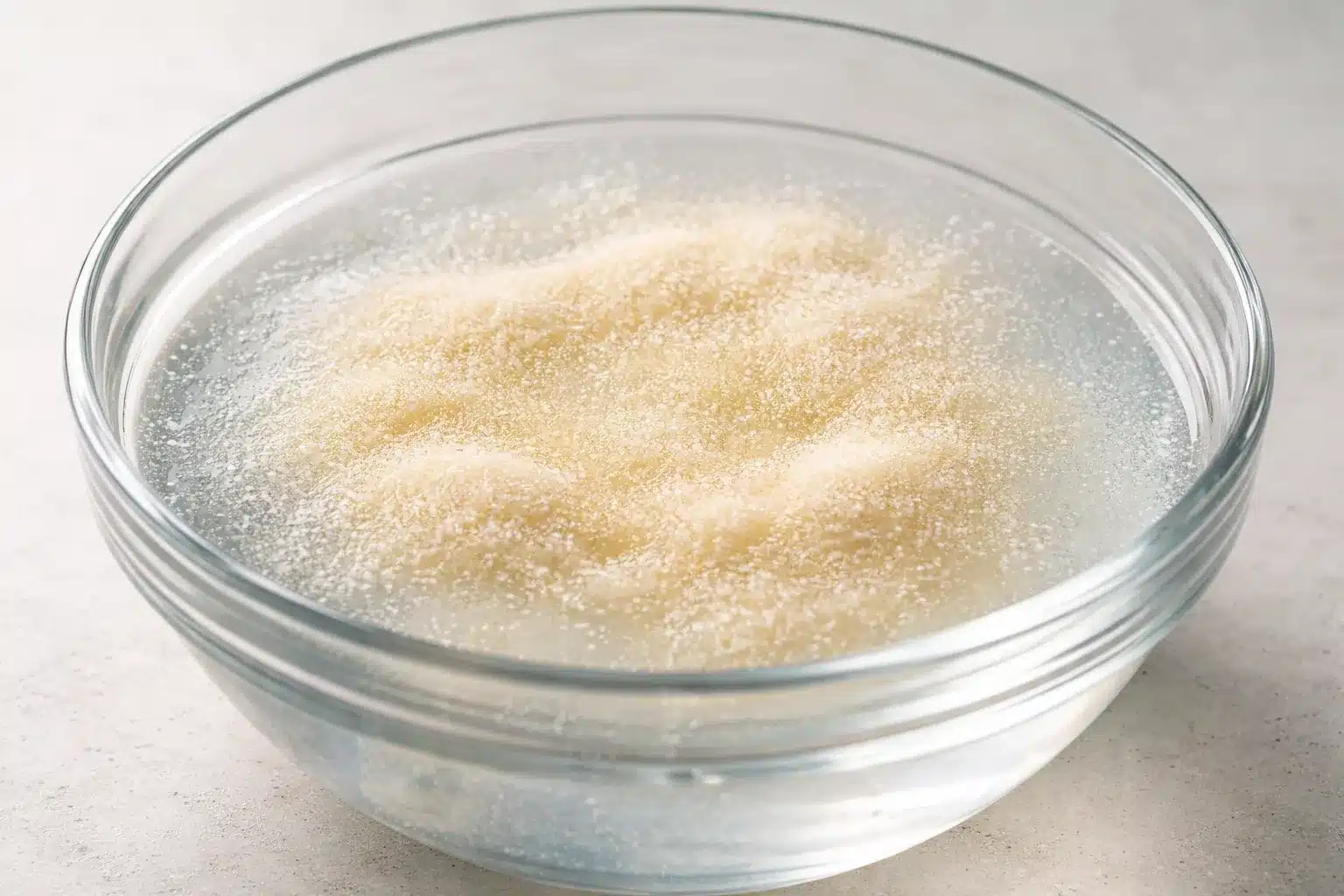
If you want a quick refresher on forms, bloom strength, and how gelatin behaves, see what is gelatin. Understanding powder versus leaf and bloom strength helps you choose ratios confidently, especially when scaling recipes.
Mixing temperatures matter a lot. Hot gelatin poured into an ice-cold cream, or the reverse, often leads to clumps. Review these concise clumping and temperature tips to keep the mixture smooth from the start.
The Most Common Root Causes
Work through this quick checklist in order of likelihood. Fix the first issue that applies, then reassess.
- Skipping bloom: Powder not soaked in cold liquid first.
- Temperature mismatch: Melted gelatin and base are far apart in temperature.
- Incorrect ratios: Too little gelatin for the volume or ingredients.
- Insufficient chill time: Cutting or serving before full set.
- Overheating: Boiling or simmering that weakens gelling power.
- Fruit enzymes: Raw kiwi, pineapple, papaya, or figs mixed in.
- Used utensils: Double-dipping introduces saliva enzymes that break gels.
- Freezing to rush: Ice crystals damage the gel network.
- High acid, sugar, or alcohol: These can require more gelatin.
- Mismatched bloom strength or old stock: Adjust or replace the gelatin.
Address these in sequence. Most problems resolve by proper bloom, gentle heat, and patient chilling.
Lumps and Grainy Texture
Lumps form when gelatin is added without blooming or when hot and cold components collide. Grainy gelatin often appears after pouring melted gelatin into a very cold base, which sets tiny threads on contact. The clumps fix is straightforward: bloom in cold liquid, dissolve fully, and temper with a few spoonfuls of the base before combining.
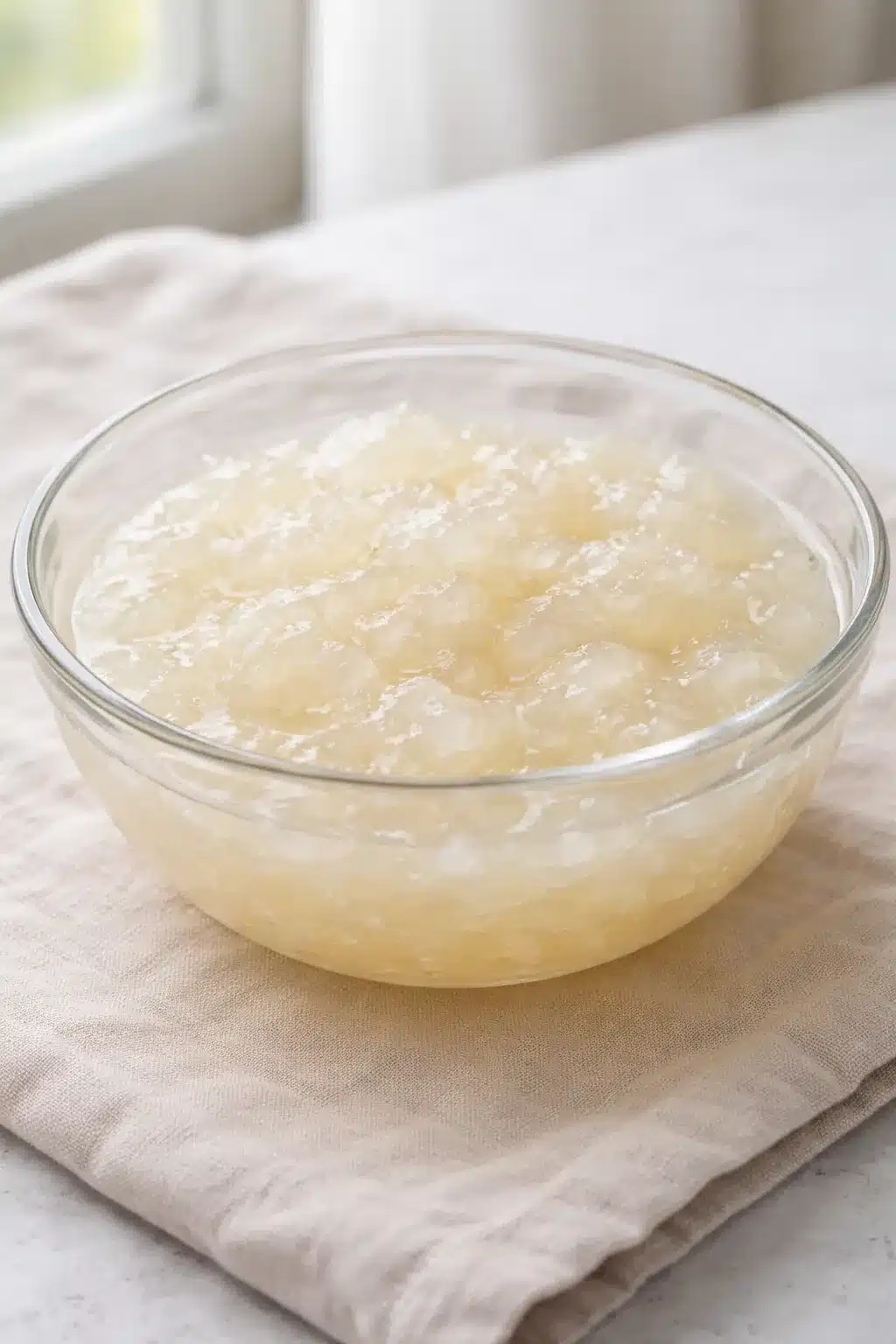
Sprinkle powdered gelatin over cold water or a portion of your recipe liquid. Let it hydrate for 5 to 10 minutes until spongy. Then melt it gently until fluid and clear. Next, whisk in a few spoonfuls of the colder mixture to even the temperatures. Finally, stream the tempered gelatin back into the main bowl while whisking steadily. If needed, strain through a fine sieve to catch stubborn bits.
If you still get gelatin clumps, rewarm the mixture gently and whisk to dissolve them. Keep the heat low. Boiling will weaken the gel, and vigorous whisking can add bubbles you must later tap out.
Blooming and Temperature Mismatch
Bloom properly first. Use enough cold liquid to cover every grain, usually about five times the gelatin’s weight. Let it stand until evenly hydrated. Then melt to about 50 to 60 C or 122 to 140 F, just until clear. Cool the melted gelatin to lukewarm before mixing it into the base.
Match temperatures on both sides. Warm a very cold base slightly, or cool a hot puree closer to room temperature. Then temper: stir a small portion of the base into the gelatin, whisk smooth, and combine with the rest. This temperature alignment prevents strings, grains, and clumps.
For more soaking and dissolving detail, the industry gelatin FAQ explains blooming, dissolving, and how to fix gelatin when clumping threatens.
Weak or Soft Set
When a dessert wobbles more than it should or collapses on the plate, you have a gelatin weak set. The culprits are familiar: not enough gelatin, overheating, or not enough chill time. Acidic or alcoholic mixtures also need slightly more gelatin than the same volume of milk or juice.
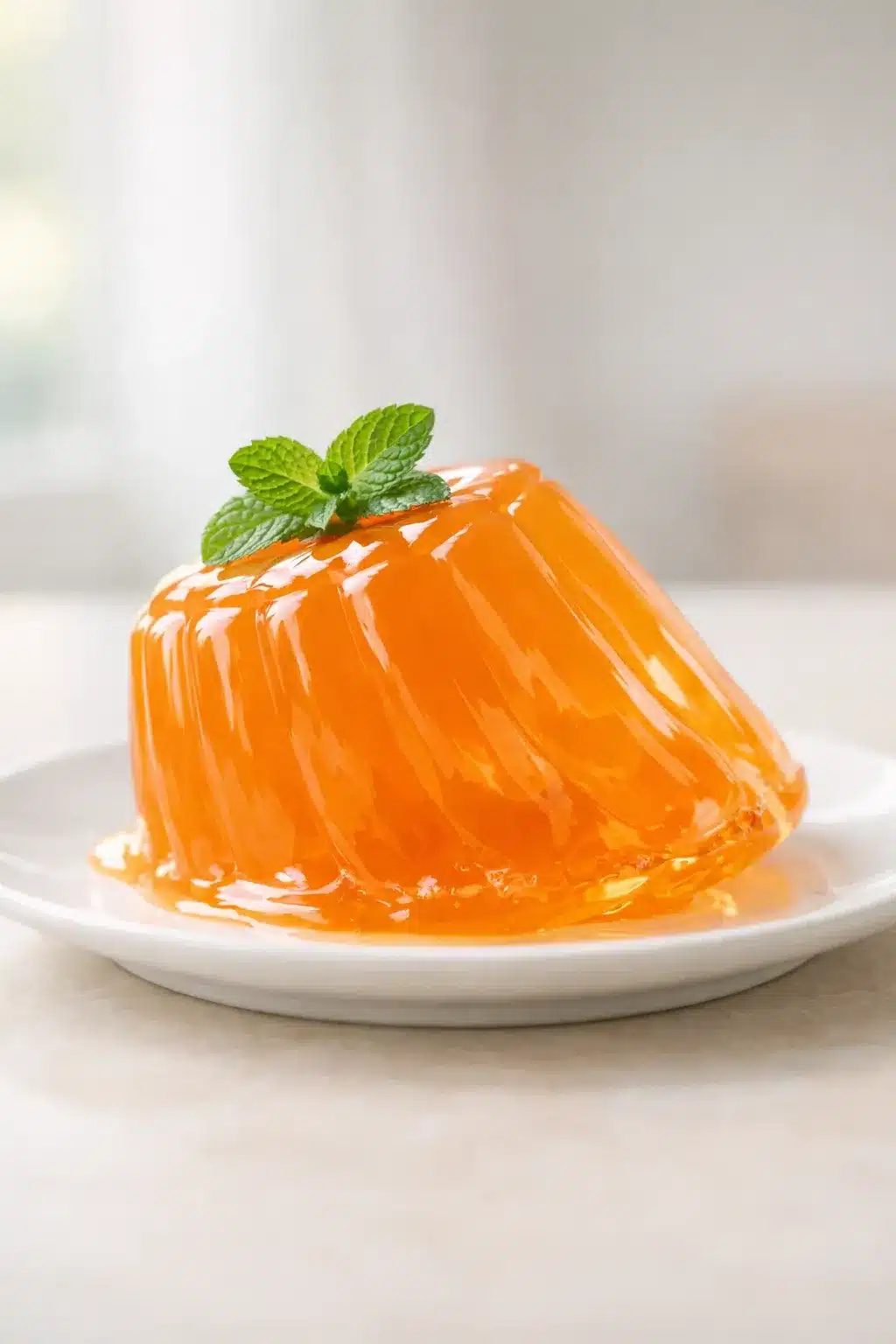
The fix is simple and reliable. Use correct ratios for your goal and allow enough chill time. Also temper your mixtures so everything meets at a similar temperature, and avoid using raw enzyme-rich fruit.
Ratios and Chill Time
As a starting point, about 7 grams powdered gelatin (roughly one envelope) sets 500 ml firmly. For a soft, creamy wobble, aim for 4 to 5 grams per 500 ml. For a sliceable mold, use 8 to 10 grams per 500 ml, adjusting for high sugar, acidity, or alcohol. Leaf gelatin sets similarly by weight; match the total grams rather than counting leaves blindly.
For specific targets, bookmark the practical gelatin ratio per 500 ml guide, which compares soft, medium, and firm sets for powder and leaf. It also helps you convert brand-to-brand differences in bloom strength.
Chill long enough. Thin layers or small cups can set in 2 to 4 hours. Larger molds or high-fat mixtures need 6 hours or overnight. Resist the urge to freeze to speed it up; frozen gels often weep or crumble later. If a dessert is still loose after full chilling, gently rewarm a portion, bloom additional gelatin (1 to 2 grams per 500 ml gap), dissolve, temper, and recombine. Then chill again.
Overheating Problems
Heat helps gelatin dissolve, but too much heat destroys its gelling ability. Do not boil gelatin or it can lose gelling power. If you accidentally hit a simmer, the set may be weak, weepy, or nonexistent.
Instead, melt bloomed gelatin in a warm water bath or with very short microwave bursts. Stir gently and watch for clarity. Keep temperatures modest, and once dissolved, cool it to lukewarm before combining with the base. When reheating a mixture that already contains gelatin, keep it just warm enough to liquefy, not hot.
Why Boiling Breaks the Gel
Gelatin forms a three-dimensional network as it cools. Boiling snips those protein chains into smaller pieces. Shorter strands cannot form strong junctions, so the gel sets weakly or not at all. Excessive simmering can have the same effect.
Follow a sensible temperature window: heat to dissolve around 50 to 60 C (122 to 140 F), then cool to near room temperature before combining and chilling. For a deeper breakdown of the timing and temperature ranges, refer to the gelatin temperature guide.
Fruit Enzymes That Block Setting
Some raw fruits contain proteolytic enzymes that chew through gelatin’s protein network. If you mix them in raw, your gel may never set. The most notorious fruits are kiwi, pineapple, papaya, and figs, but other tropical fruits can cause trouble too. Even a little raw juice can weaken a dessert.
The fix is easy. Use cooked or canned fruit. Heat deactivates those enzymes, so a quick poach or using canned fruit will be safe. Mix the fruit into the base only after it cools. Then chill until set.
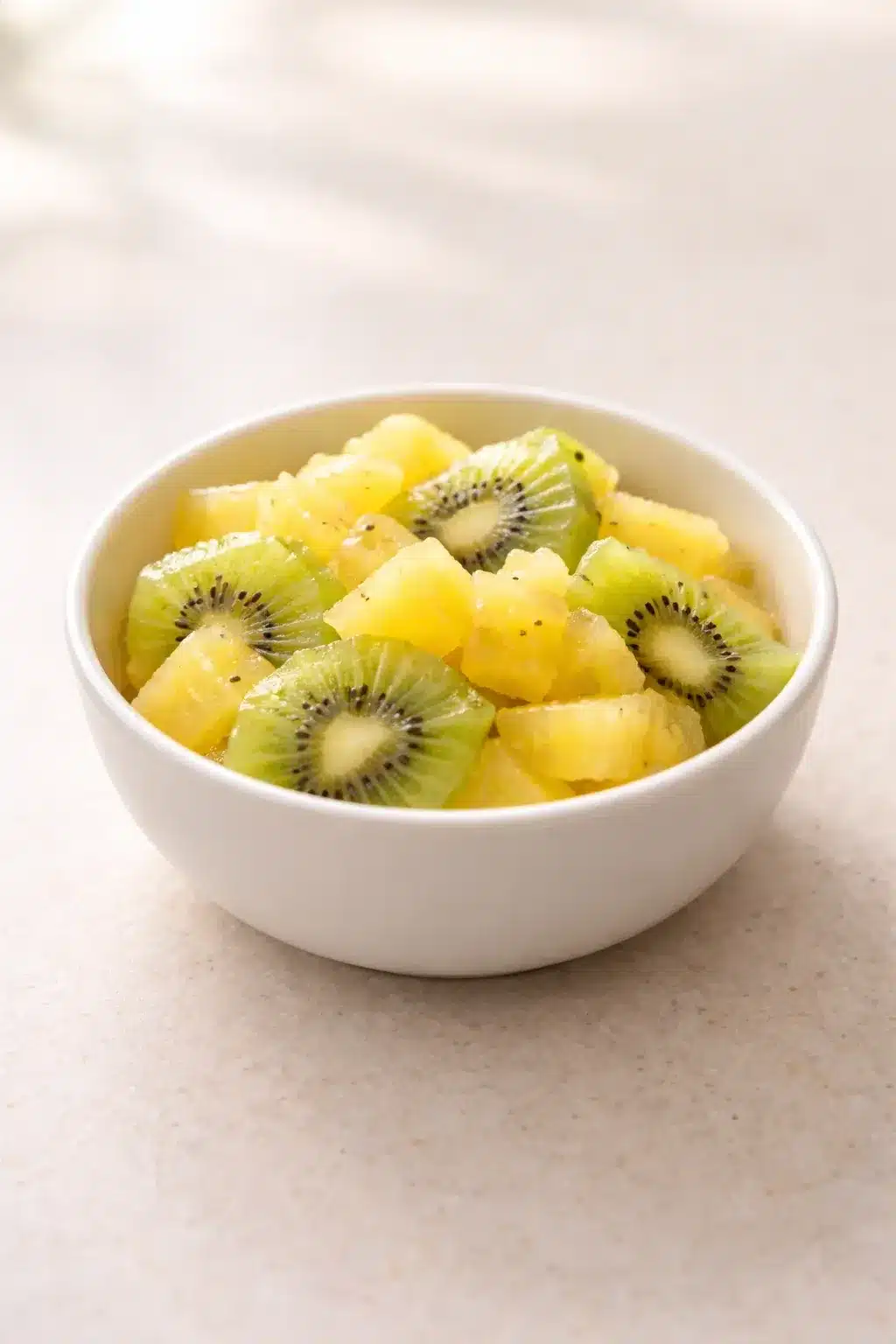
Also, do not dip used utensils into gelatin mixtures to avoid enzyme contamination from saliva. That tiny bit of amylase and protease is enough to weaken a delicate set over time.
Kiwi, Pineapple, Papaya, and Figs
Each fruit has an enzyme with serious gelling consequences. Pineapple has bromelain, kiwi has actinidin, papaya has papain, and figs have ficin. All of them attack gelatin’s structure and prevent setting if raw.
To keep the fruit and the gel, blanch or poach the fruit first, then cool it completely before folding it in. For a safe, bright example with proper prep and chill time, try these fruit cocktail gelatin cups. Or, if you love the taste of fresh pineapple or kiwi, place raw slices on top at serving instead of suspending them in the gel.
Freezing and Texture Issues
The freezer seems like a shortcut, but it usually backfires. Ice crystals rip through the protein network and eject water when thawed. The result is a crumbly, weeping gel that tastes mealy. Freezer warning: gelatin can become crumbly if frozen; prefer refrigerator setting.
Use the refrigerator and time your prep instead. You can speed setting slightly by chilling molds and using shallow layers in metal pans. An ice bath around your mixing bowl helps cool mixtures evenly before they go into the fridge.
Why Frozen Gelatin Can Turn Crumbly
Freezing concentrates solutes and forms jagged ice crystals. Those crystals tear the gel, and when thawed, the network cannot hold juice. You see liquid pockets and a rough, crumbly bite.
If you must expedite, chill the mixture over an ice bath while stirring, then refrigerate. Or set in smaller portions. If a batch was frozen and thawed poorly, you can sometimes salvage it by gently remelting, adding a small amount of freshly bloomed gelatin, tempering, and resetting. But taste and texture will rarely be as good as a never-frozen gel.
FAQ
Why is my gelatin lumpy?
Lumps usually happen when gelatin is not bloomed first or when cold mixtures are poured directly into melted gelatin.
Why did my gelatin not set?
Common causes include too little gelatin, overheating, or not enough chilling time.
Why does gelatin not set with pineapple or kiwi?
Raw pineapple, kiwi, papaya, and figs contain enzymes that reduce or cancel gelling. Cooked or canned fruit works.
Can I fix a grainy texture?
Dissolve gelatin fully in warm liquid and temper it before mixing into cold bases to avoid graininess.
Can I freeze gelatin desserts to set faster?
Freezing can make gelatin crumbly. It is better to set gelatin in the refrigerator.
Conclusion
For dependable gels, bloom in cold liquid, melt gently, temper carefully, and give the fridge enough time. Keep raw enzyme-rich fruit out, avoid used tasting spoons, and never boil. Always chill promptly and store covered. For fresh ideas and visual tips, browse our gelatin inspiration on Pinterest.